
Mammals
Seals and sea lions
Seals and sea lions are marine mammals that spend most of their time in the ocean waters, but come out on to land to breed and suckle their young. Their four limbs have developed into flippers and their streamlined bodies help them to move through the water at speed. They are also able to hold their breath for long periods. Seals and sea lions feed on fish, squid, krill and other small sea creatures. Some also eat birds, including penguins, and even the young of other seals.
Pinnipeds
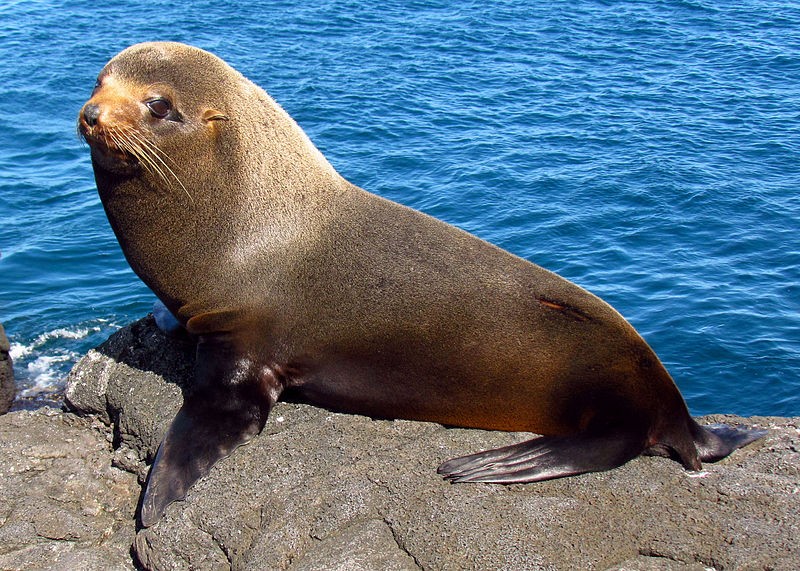
The pinniped group consists of the eared seals (all sea lions and the fur seals), true or earless seals (all the other seals) and the walrus. Pinnipeds means “wing-footed”, a good description for these animals, which are clumsy on land but agile and graceful in the water. They are all carnivorous and have four flippers that they use to propel themselves through the water.
Seal families
The eared seals are so called because they have small ear flaps. Eared seals have long, strong front flippers and rear flippers that can turn forward to support their bodies when they are on land. In the water, they use these flippers like oars to pull themselves along. Sea lions, especially excited males, can make loud barking calls.
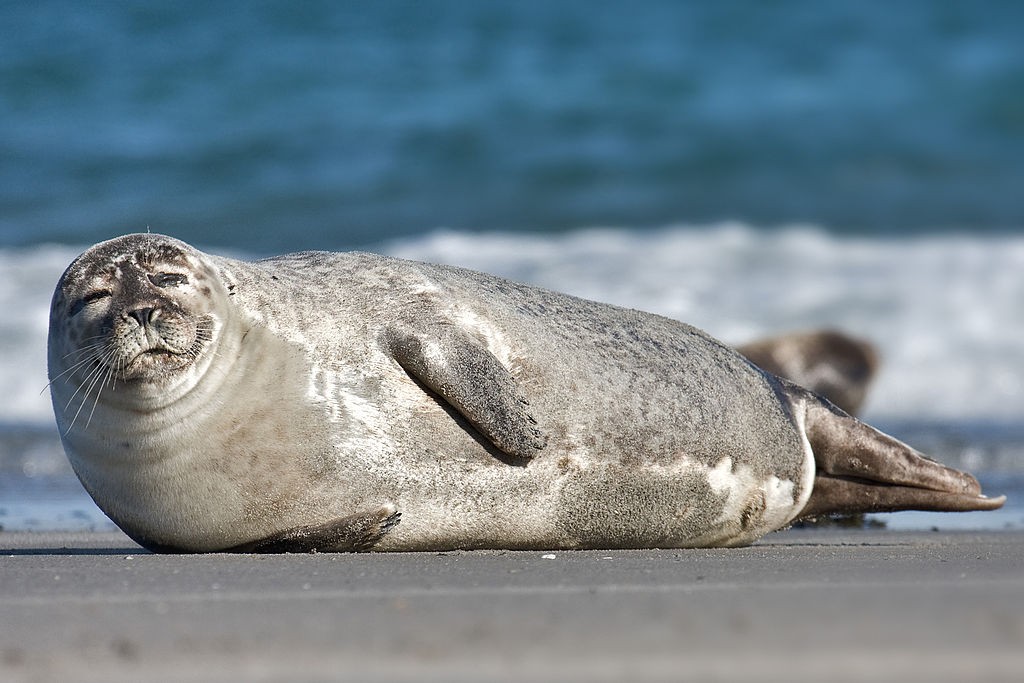
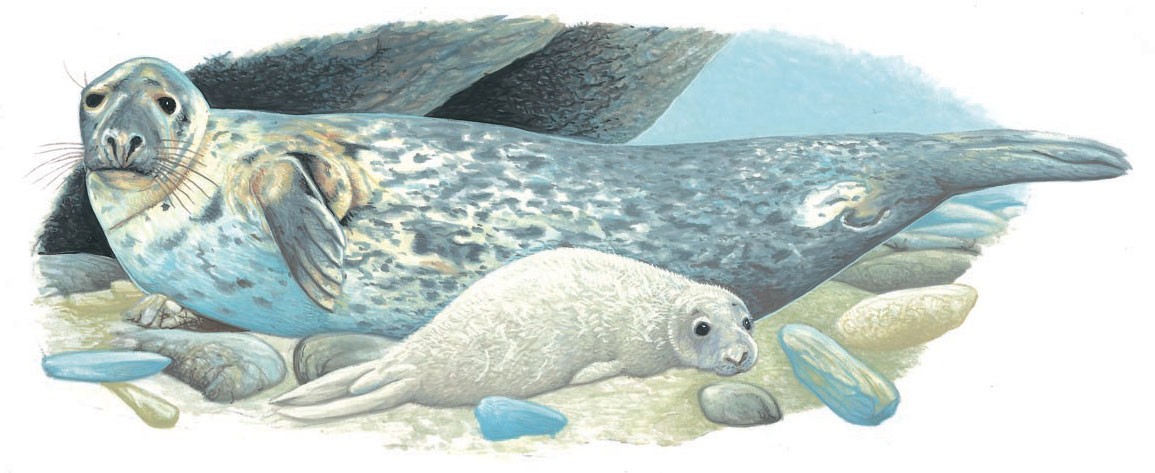
True seals have short front flippers but powerful hind flippers, which they use to propel themselves through the water. They are more streamlined than eared seals, and can swim further than them. But, because they cannot turn their rear flippers forwards, they have to shuffle clumsily along on their bellies when on land. Seals cannot bark, but communicate by slapping the water or grunting.
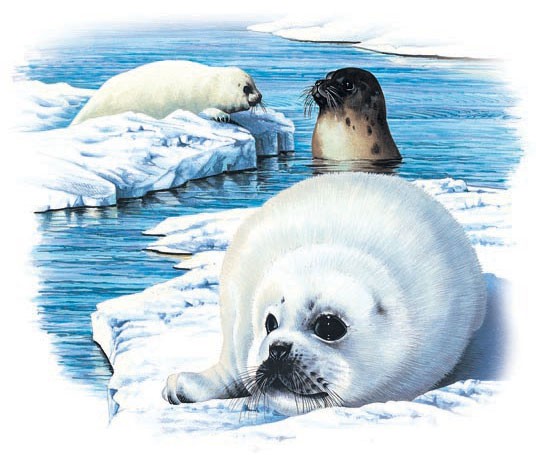
Seal pups
Seal pups feed on their mother's rich, fatty milk for several weeks. Mother and pup bond soon after birth, learning each other’s voices and scent. Pups soon build up a thick layer of body fat, called blubber, that will help them to survive the cold. Until that time, they are kept warm by soft fur. Harp seal pups have white fur to help camouflage them from predators. When pups are a few weeks old, they shed their white fur to reveal short, waterproof coats.
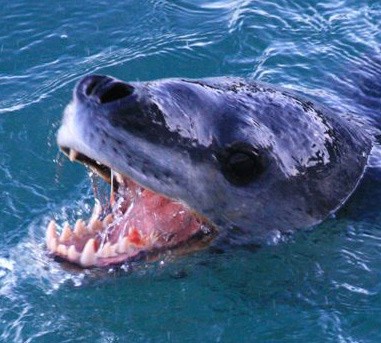
Leopard seal
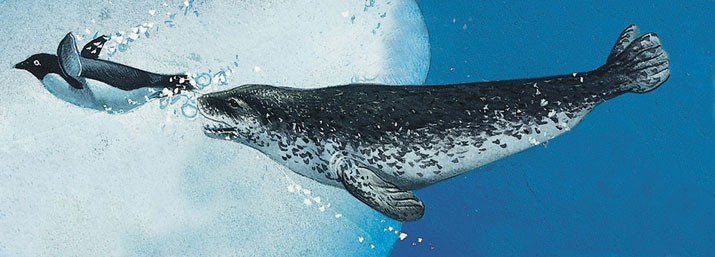
The leopard seal is such a fierce predator that it will even eat other seals. It usually feeds on penguins, including king, Adélie, rockhopper, gentoo and emperor penguins. Leopard seals lurk in waters near the penguins’ fishing grounds and mostly catch their prey by stealth. The penguins are so fearful of this hunter that they hesitate before plunging into the water. But in open water, a lucky penguin may be able to outswim the predator.
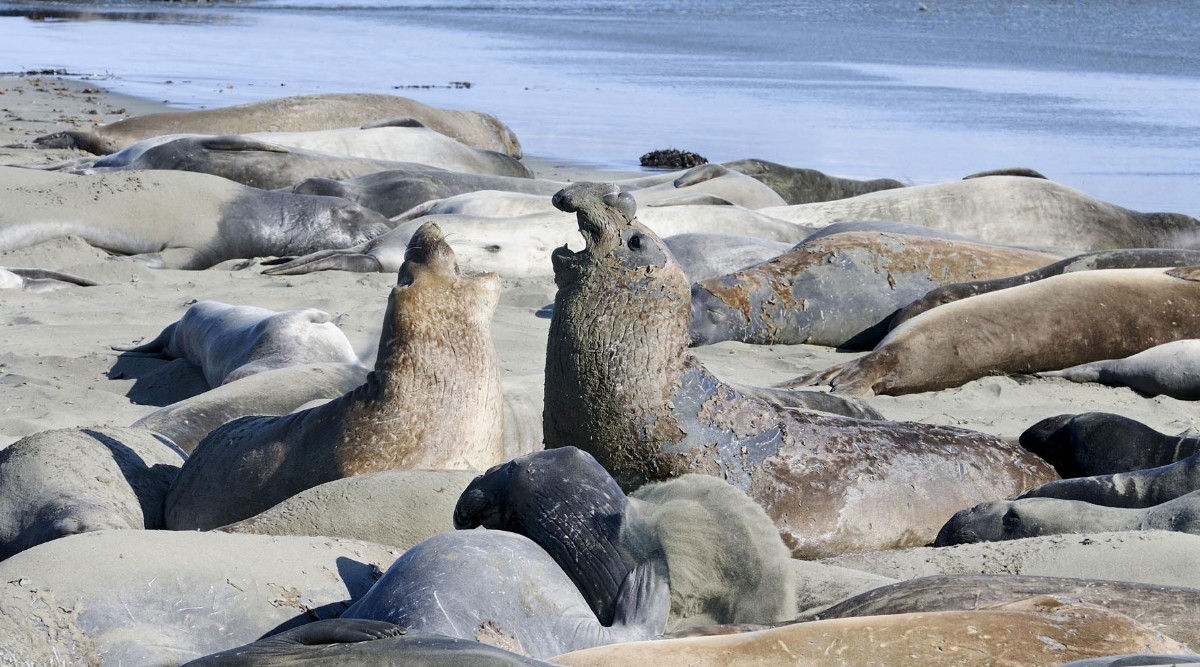
Elephant seals
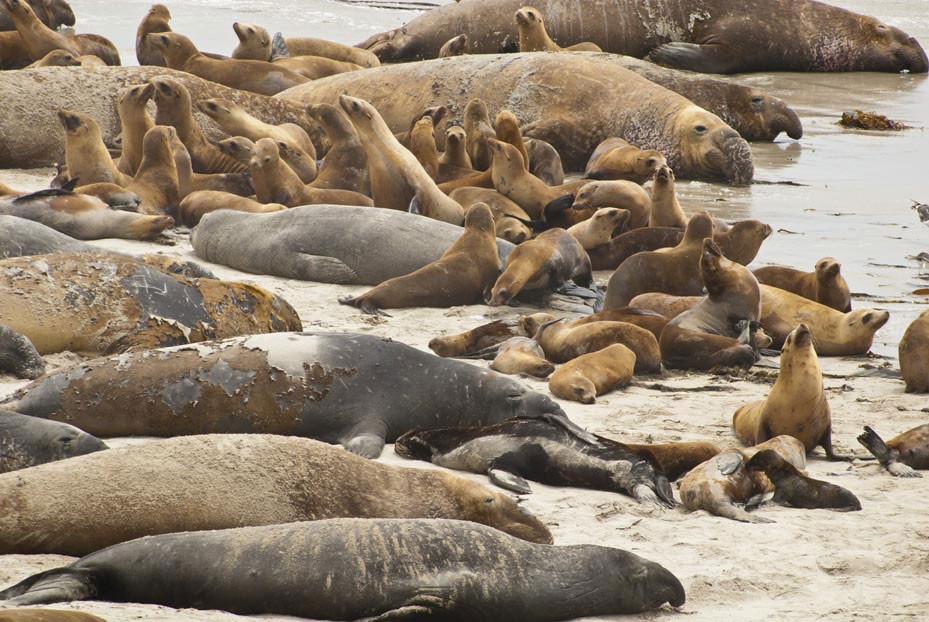
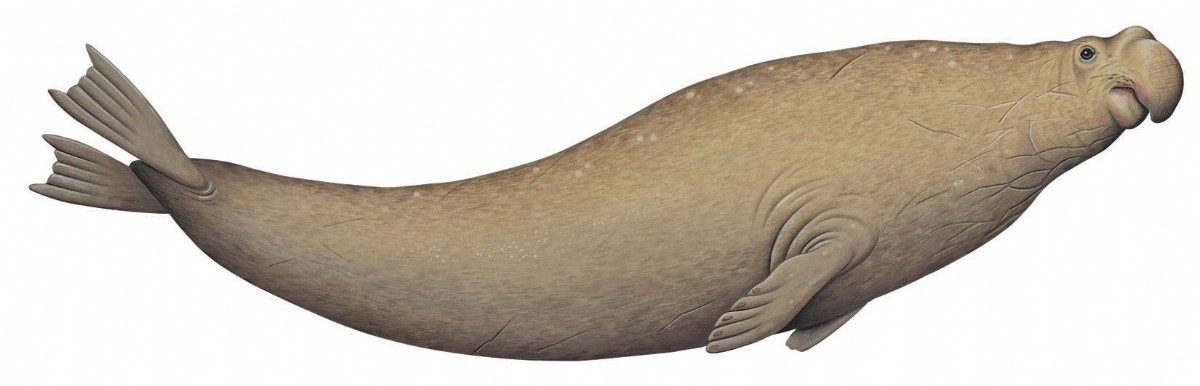
Elephant seals feed on fish and squid. Males (bulls) can weigh over 3 tonnes—three times as much as the females. Once a year, elephant seals gather on polar shores to breed and bulls fight for supremacy. Bulls have long, trunk-like snouts, which inflate to amplify their roars during fights with other bulls. The bulls rear up and crash into each other, slashing at their opponents’ thick skin with their sharp teeth. Dominant bulls may mate with up to 100 cows.
Sea lions
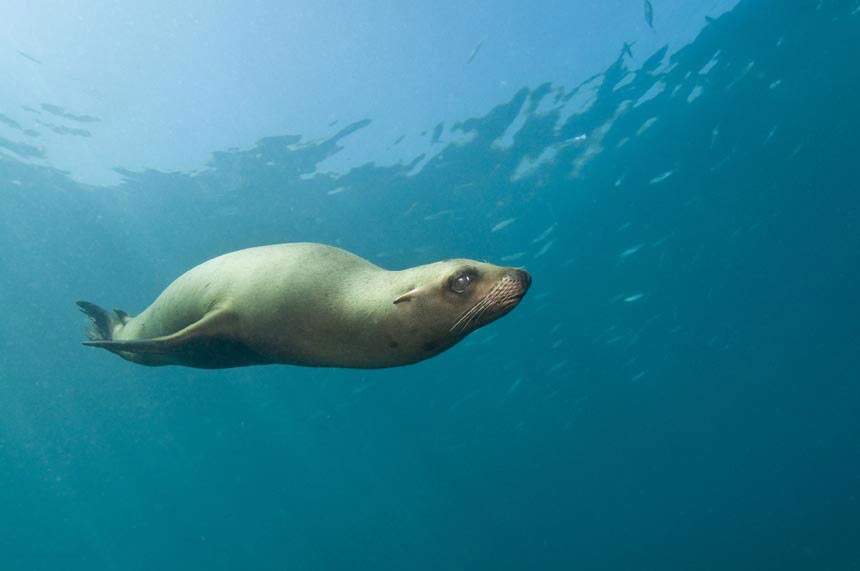
Sea lions feed on a number of species of fish and squid. They may hunt them for hours on end, remaining underwater for long periods. To help the sea lions locate their prey, they use their whiskers for detecting vibrations underwater. They also have excellent underwater hearing. Sea lions sometimes follow dolphins to take advantage of the fish they have herded together.
Sea lions are intelligent animals and can be trained to perform various tasks, both for entertainment in zoos or circuses, and in military operations, by detecting enemy divers at sea.

Sea lion rookeries
The shores where sea lions gather to breed are called rookeries. Males, known as bulls, establish their territory and defend it from other bulls. They form harems of up to 15 females. Their aim is to stay on the rookery for as long as possible to increase their chances of successful mating, so they cannot risk swimming for food at this time. Instead, they fast, relying on reserves of body fat, called blubber, for energy. The bigger the bull, the more blubber he has in reserve and so the longer he can stay and breed.
Consultant: Chris Jarvis