
Africa
Seychelles
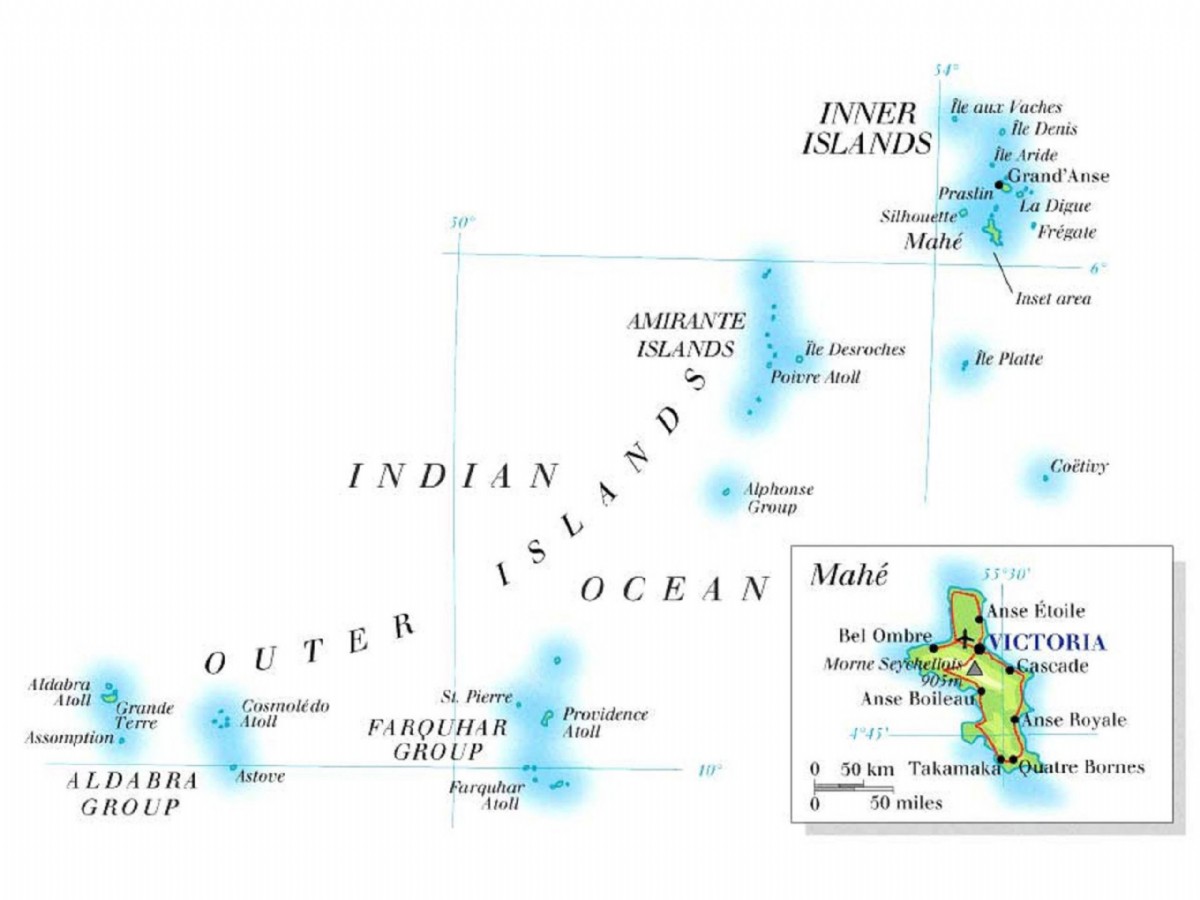
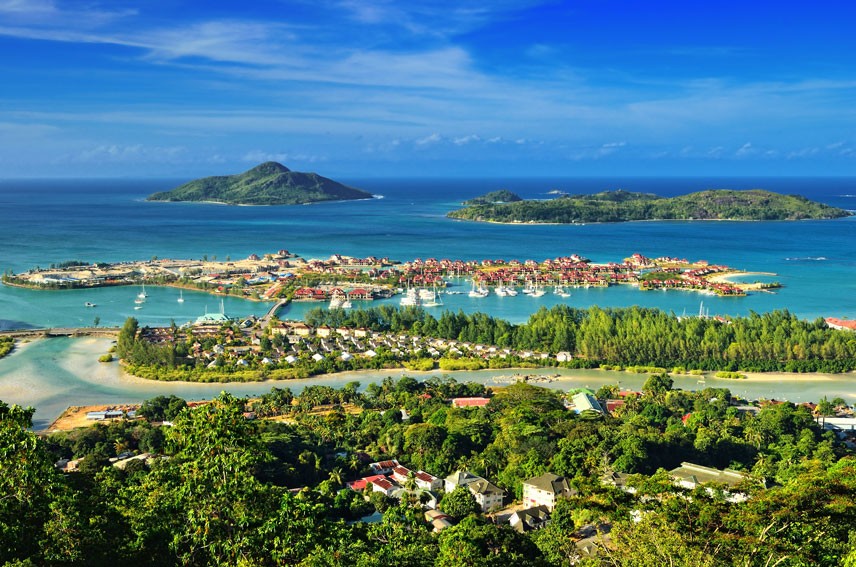
The Seychelles is a country made up of 115 islands lying 1500 kilometres (932 miles) off the coast of East Africa in the Indian Ocean. Some of the islands are volcanic and have rocky, forested landscapes, while others are coral atolls, ringed with white sand beaches. Many are uninhabited and some have been made into nature reserves. The Seychelles have a tropical climate; between May and November they are cooled by southeasterly trade winds. For the rest of the year, the weather is hot and humid.
People
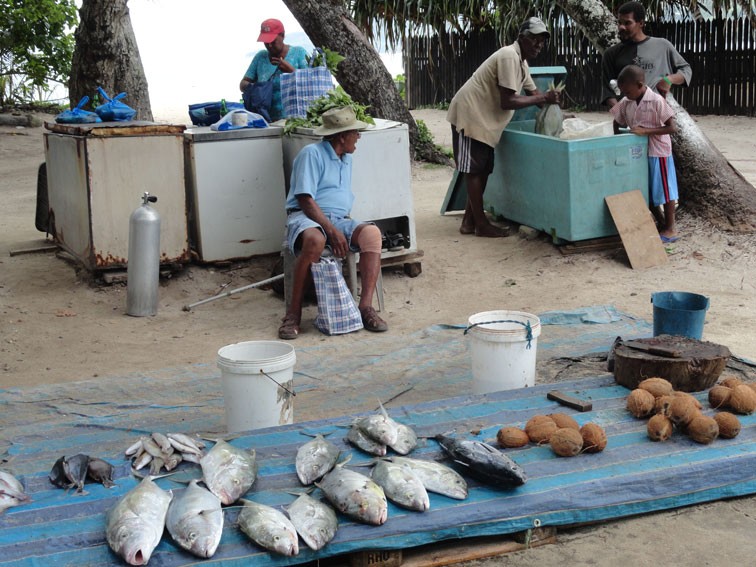
People from the Seychelles are known as Seychellois. They are descended from the diverse mixture of peoples who settled on the islands after the 18th century, or were brought to work on spice plantations as slaves. Today, most Seychellois are a mix of African, French, Indian and Chinese ancestry. Many people work in tourism, or as farmers, growing cash crops such as vanilla, coconuts and cinnamon. They also grow sweet potatoes and catch fish for themselves and their families.
Tuna
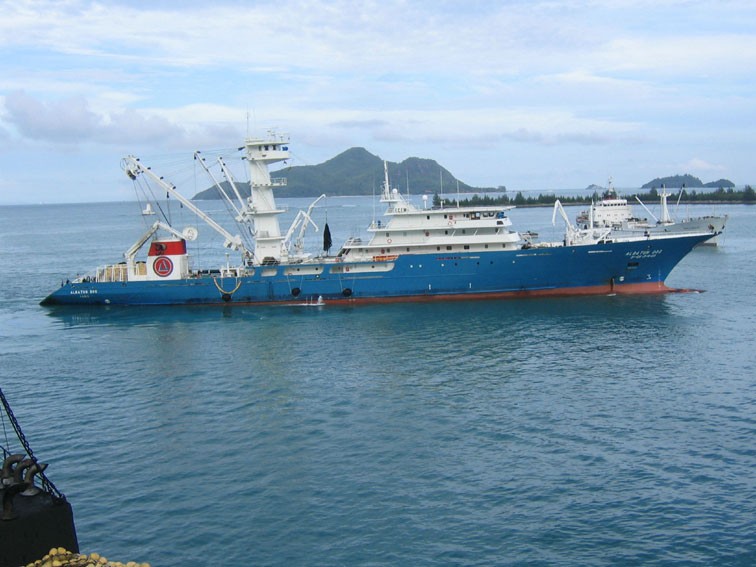
The Seychelles’ most important industry after tourism is tuna fishing. The largest fishing boats catch tuna by laying long baited lines, which run for kilometres under the ocean. On smaller boats, fishermen catch tuna using a pole and line from the side of the boat. The catch is processed and canned in factories on the island: about 350 tonnes of tuna is processed every day. The Seychelles also earns money when foreign companies pay licence fees to fish in the islands’ waters.
Consultant: Nicholas Harris
Facts about the Seychelles
Population 121,355 (2024 estimate)
Area 455 sq km
Highest point Morne Seychellois 905 m (2969 ft)
Capital Victoria, population 26,000
Other major cities Anse Boileau (pop. 4183)
Languages Seychellois Creole, English, French
Religions Christian 75%, Hindu 5%, Muslim 2%, others or not known 18%
Ethnicity mixed French, Indian, African, Arab, Chinese
Currency Seychellois rupee (SCR)
Chief exports canned tuna, frozen fish, cinnamon bark, copra


History of the Seychelles
1502
Portuguese explorer Vasco da Gama explores the Seychelles
1756
France takes control of the islands and they become part of the French East India Company
1768
French planters settle in the Seychelles, bringing slaves to work on spice plantations
1794
Britain seizes control of the Seychelles and rules the islands from Mauritius
1903
The Seychelles are made a British colony separate from Mauritius
1976
The Seychelles become independent from Britain with James Mancham as president and France René as prime minister
1977
Mancham is overthrown in a military coup and René becomes president
1979–91
René declares the Seychelles a socialist one-party state
2004
Tsunami triggered by an underwater earthquake in Indonesia causes severe damage in the Seychelles
2013
State of emergency is declared as Tropical Cyclone Felleng causes flooding and landslides
2023
Seychelles announces the final stages of completing its marine spatial plan, including the expansion of marine biodiversity protection