
Africa
Somalia
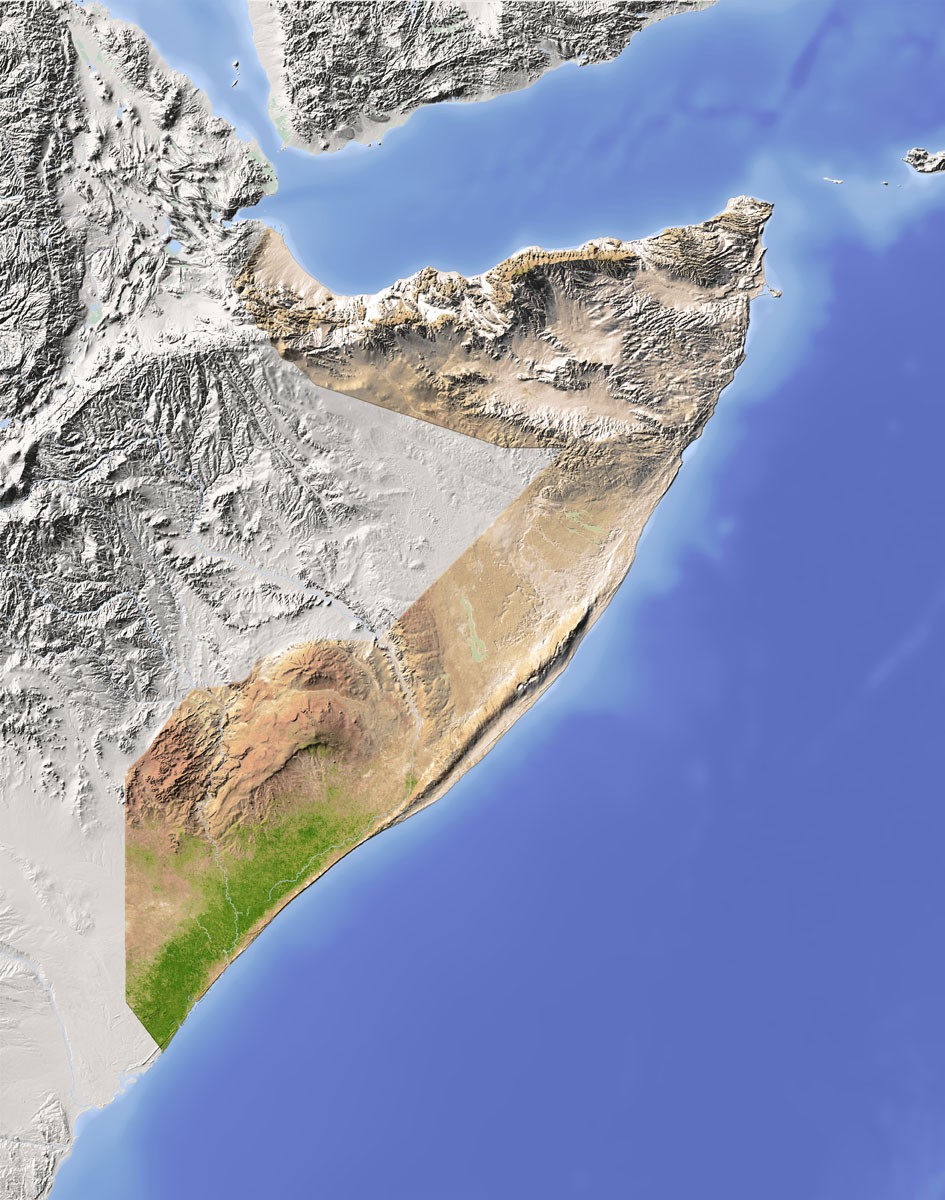
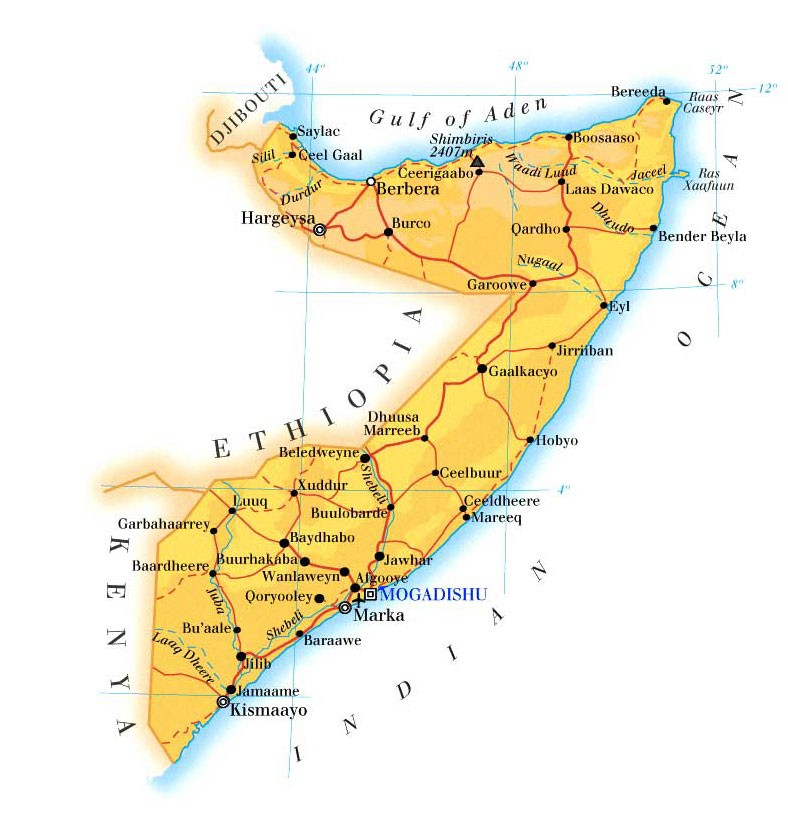
Somalia is a country located on the tip of the Horn of Africa. It consists mainly of plateaus, plains and highlands. In the north rise the rugged Karkaar Mountains. A narrow plain, the Guban, lies between this range and the coast of the Gulf of Aden. Stretching off to the south is the high Somali Plateau, which slopes down to the Indian Ocean coast as the Mudug Plain. This is a semi-arid region crossed by dry watercourses, such as the Nugaal Valley, and grazed by nomadic herders. Still farther south, the region between the Juba and Shebeli rivers (the country's only two permanent rivers) is agricultural land. Somalia is a hot, dry country, with a desert or semi-desert climate dominating its northeastern and central regions. Some of the world’s highest average annual temperatures have been recorded in the country—maximum temperatures in Berbera on the northwestern coast regularly top 38°C (100 °F) from June to September. Thanks to the southwestern monsoon, Somalia does have some irregular rainfall.
People
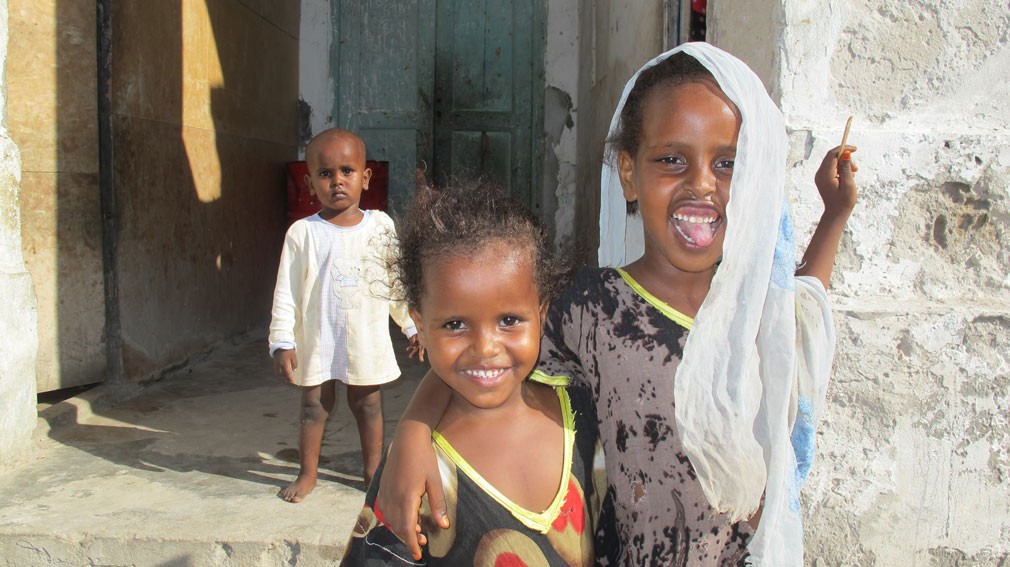
Ethnic Somalis make up about 85% of the population. They are divided into two main clans (people with the descended from a common ancestor): the Samaal and the Saab. These are, in turn, divided into "sub-clans" (extended family groups). The Samaal are mainly nomadic or semi-nomadic herders, while the Saab tend to be settled farmers. Most Somalis are Sunni Muslims.
Ever since the Somali Civil War broke out in 1991, various groups have vied for power in Somalia. With no central government established in the country until 2012, Somalia was often described as a “failed state”. Its people have nevertheless survived by livestock faming, money sent to them from Somalis who have emigrated to other parts of the world and telecommunication companies offering mobile phone and internet money transfer services.
Somaliland
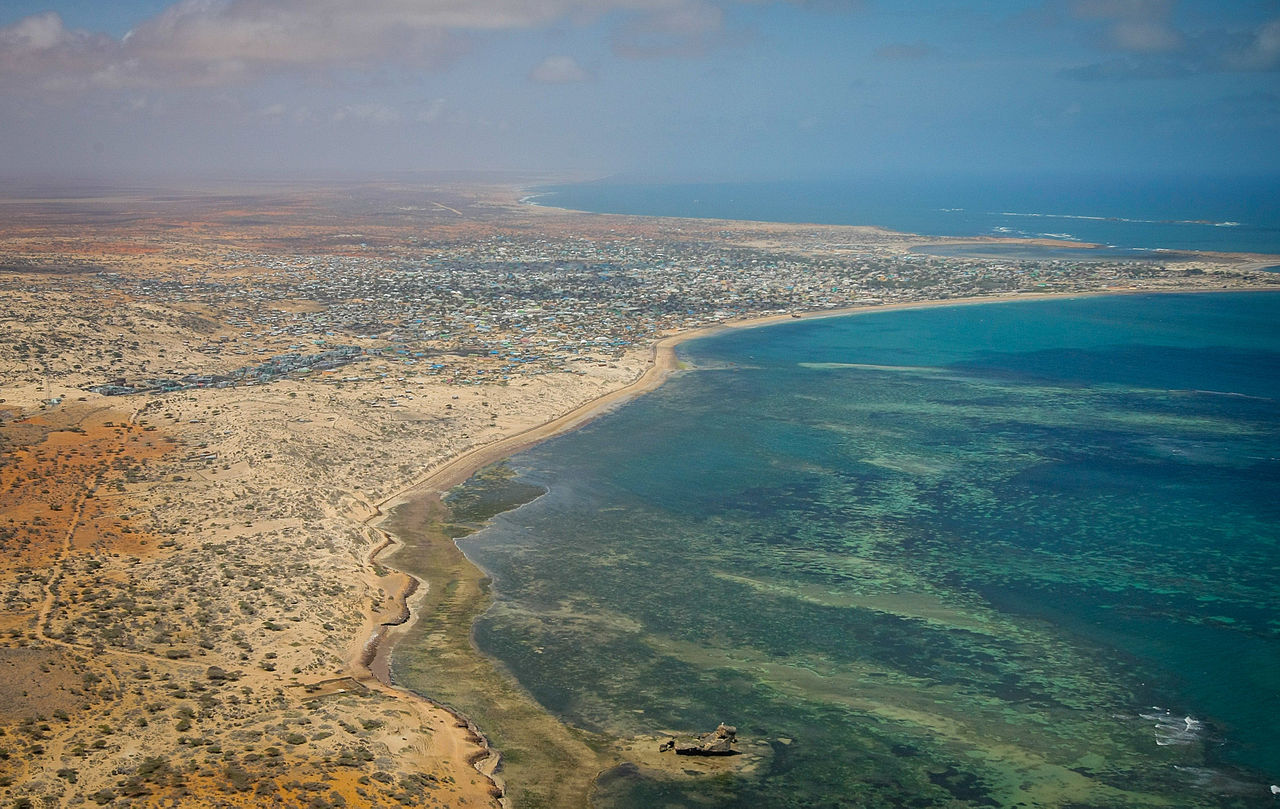
Since 1991, when it declared itself independent from the rest of Somalia, the territory of Somaliland (a British colony until 1960) has been ruled by democratically elected governments and has its own currency. The territory has a population of approximately 6.2 million people, and its capital and largest city is Hargeisa. Somaliland's self-proclaimed independence has not been officially recognized by any other country until Israel did so in December 2025.

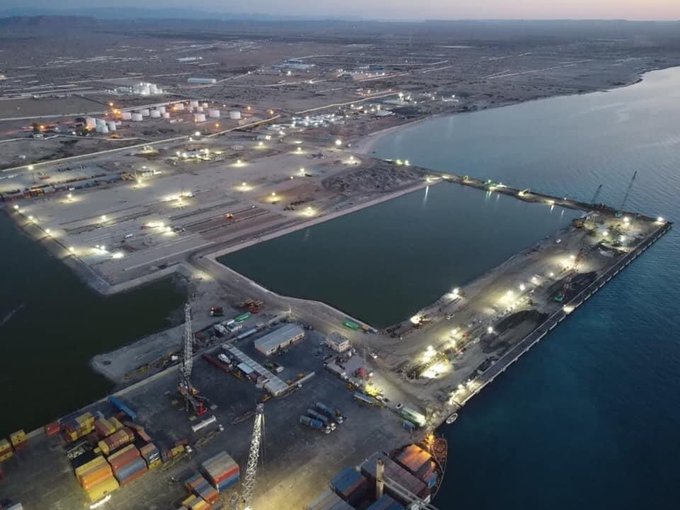
On 1st January 2024, an agreement was signed between Somaliland and Ethiopia, granting Ethiopia the right to lease the port of Berbera along with a 20-kilometre stretch of Gulf of Aden coastline for 50 years. A landlocked country, Ethiopia has plans to build a naval base there and develop a "corridor" linking it to Berbera. In exchange, Ethiopia will recognize Somaliland as an independent state. The move has sparked fierce opposition in Somalia, which says it is prepared to go to war to prevent this outcome, claiming Somaliland is part of its sovereign territory.

Farming
About 80% of Somalia’s population are nomadic or semi-nomadic herders, who keep goats, sheep, camels and cattle. They also gather resins and gums, including frankincense and myrrh, to supplement their income. Around 70% of Somalia’s area is given over to pasture, with less than 2% cultivated. This land is irrigated from the waters of the Shebeli and Juba rivers; the rainy season, lasting from April to June, allow corn, sorghum, beans, rice, vegetables, cotton and sesame to be grown. Bananas and sugar cane are the two main commercial crops.


Consultant: Nicholas Harris
Facts about Somalia
Population 18,143,378 (2023 estimate)
Area 637,657 sq km (246,200 sq miles)
Highest point Shimbiris 2407 m (7895 ft)
Capital Mogadishu (population 2,726,820)
Other major cities Hargeysa (Hargeisa 1.2 million), Berbera (242,344), Kismayo (234,852)
Languages Somali, Arabic, Italian, English
Religion Sunni Muslim
Ethnicity Somali 85%, Arabs, Bantu and other non-Somali 15%
Currency Somali shilling (SOS)
Chief exports Livestock, bananas, hides, fish, charcoal, scrap metal
History of Somalia
1000–2000 BC
Ancient civilization, called Land of Punt, thrives on the Somali peninsula; they trade myrrh, spices, gold, ebony, cattle and ivory with the ancient Egyptians, Phoenicians and Chinese
7th century AD
Islam is introduced to northern Somalia
7th–10th centuries
Arab and Persian trading posts are established along the Somali coast while nomadic tribes occupy the interior
13th–17th centuries
Ajuran Sultanate dominates much of the Horn of Africa
1887
Britain proclaims protectorate in Somaliland (the northern part of present-day Somalia).
1889
Italy sets up a protectorate in central Somalia, later annexing territory in the south from Zanzibar
1925
Territory to the east of the River Juba becomes part of the Italian protectorate
1936
Italian Somaliland combines with some Somali-speaking parts of Ethiopia to form a province of Italian East Africa.
1941
British occupy Italian Somaliland during World War II
1950
Italian Somaliland becomes a UN trust territory
1960
British Somaliland gains independence as the State of Somaliland (26th June). Five days later it unites with the Trust Territory of Somaliland (the former Italian Somaliland) following its separate independence, to form the Somali Republic. Aden Abdullah Osman Daar elected president
1961
Soldiers of the former State of Somaliland take control of Hargeisa and other cities, declaring an end to the unity between Somaliland and the rest of the Somali Republic
1969
Mohamed Siad Barre seizes power after a military coup, renaming the country the Somali Democratic Republic
1974–75
Severe drought causes widespread starvation
1977
Somalia invades the Somali-speaking Ogaden region of Ethiopia but are expelled the following year
1981–91
Somaliland War of Independence: the Somali National Movement (SNM) rebels against the Barre government
1988
Peace accord with Ethiopia
1991
(January) Barre is ousted as president, beginning the Somali Civil War, fought between various armed factions competing for control of the country, which has continued ever since
1991
(May) Following the collapse of Barre government, Somaliland declares independence from Somalia and reinstates the borders of the former independent State of Somaliland
1992
UN peacekeeping force sent in to Somalia to restore order, but later withdraws
2004
President Abdullahi Yusuf takes office
2006
Fighting between rival militias (local armed forces) in Mogadishu, with Islamists gaining the upper hand; Ethiopian troops enter Somalia and drive the Islamists out of Mogadishu
2007
US air strikes in south Somalia against Islamist fighters; pitched battles between Islamist rebels and government forces backed by Ethiopian troops
2008
UN Security Council allows countries to send warships to Somalia's waters to tackle pirates
2009
Ethiopia withdraws troops; Islamist group Al-Shabab make advances in the south, threatening Mogadishu
2010
Somali pirate attacks on ships worldwide hit seven-year high
2010–12
Famine causes the deaths of almost 260,000 people in Somalia
2011
Kenyan troops enter Somalia to assist Somali Government and African Union in attacking Al-Shabab forces
2012
Federal Government of Somalia becomes the official government of Somalia on 20th August. It is the first attempt to create a central government in Somalia since the collapse of the Somali Democratic Republic in 1991
2012
African Union and government forces gain victories against Al-Shabab
2013
Al-Shabab attacks shopping centre in the Kenyan capital, Nairobi
2014–15
Al-Shabab carries out mass killings in northern Kenya; Kenya retaliates by launching out air raids on Al-Shabab bases in Somalia
2019–21
Plague of desert locusts, threatening the food supply across East Africa, Middle East and South Asia, breaks out. The outbreak begins with heavy rains in 2018 in the Rub' al Khali of the Arabian Peninsula, allowing locusts to breed undetected and vast swarms to build up and spread out. Somalia’s agriculture ministry called the outbreak a national emergency, saying the “uncommonly large” locust swarms are consuming huge amounts of crops.
2021–24
Severe drought results in around 8 million people experiencing food shortages, with many areas close to famine. The situation has been made worse by the Russian invasion of Ukraine, since Somalia imports 90% of its wheat from the region, its own farming capabilities destroyed in the ongoing civil war
2023
(November) Flash floods caused by torrential rains forces nearly 700,000 people from their homes
2024
An agreement is signed between the breakaway government of Somaliland and Ethiopia, granting Ethiopia the right to lease the port of Berbera for 50 years in exchange for recognition of Somaliland as an independent state. Somalia opposes this