
Africa
Algeria
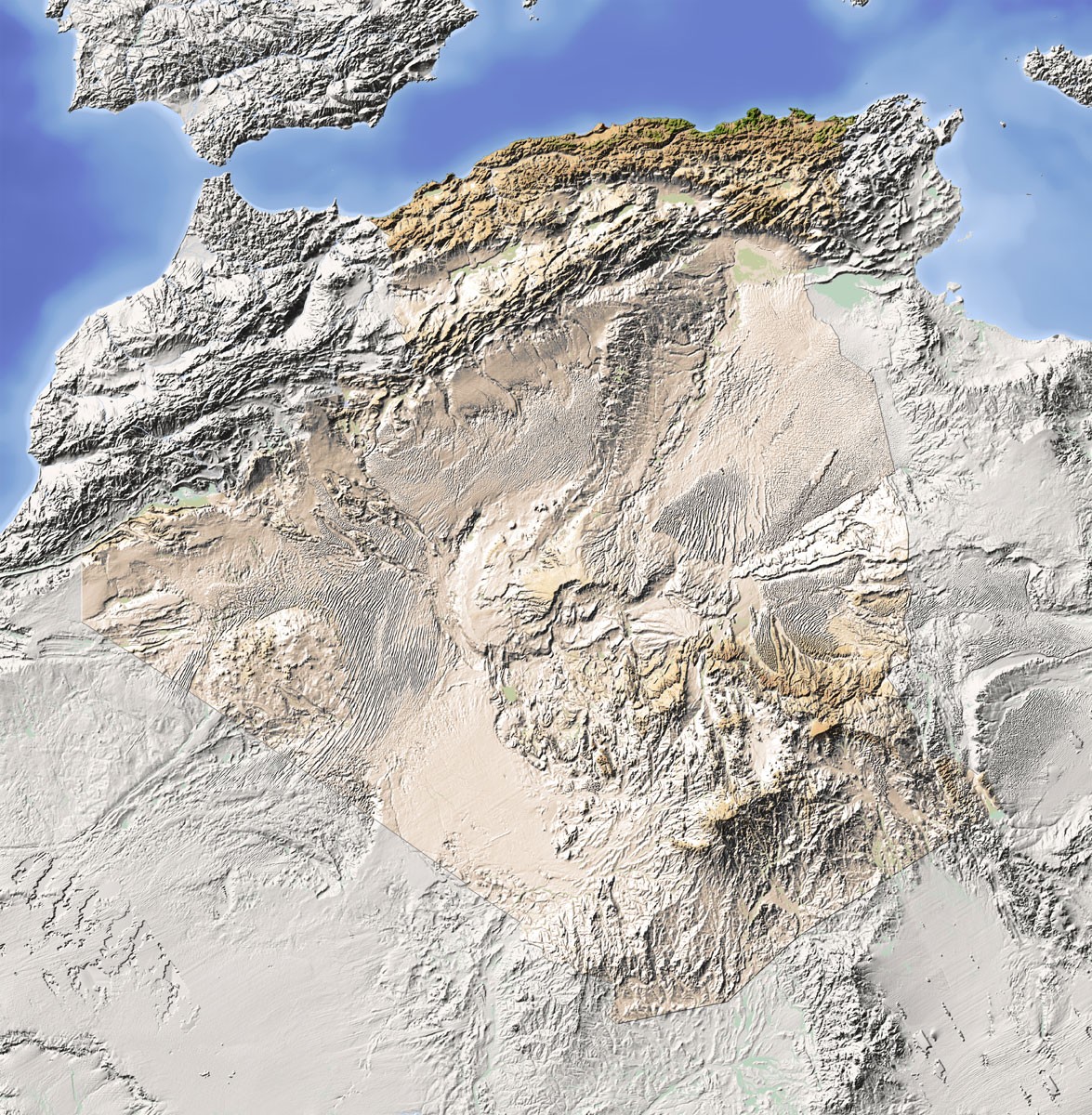
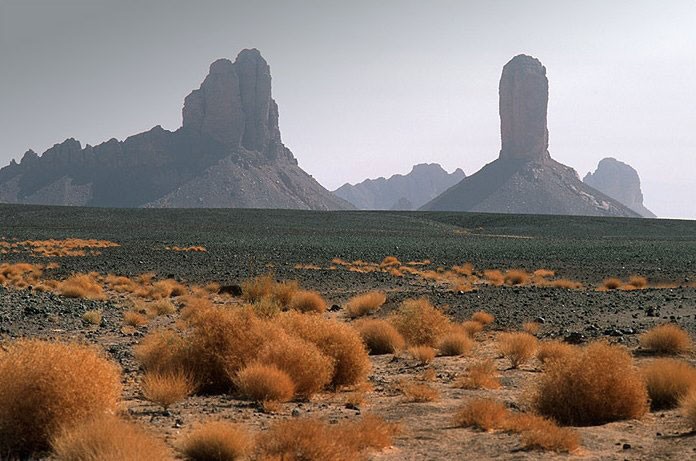
Algeria is the largest country in Africa and the tenth largest in the world. Rising from its Mediterranean coast are the mountains and plateaus of the Atlas Mountains. Their slopes are covered by scrub. The rest of Algeria—about 90% of its land area—is made up of desert: the Sahara. Here, areas of sand dunes, called ergs, stretch for hundreds of kilometres. Other parts of the desert are rocky or gravelly. The jagged Ahaggar (Hoggar) Mountains rise steeply in the southeast. The north has a warm, sunny Mediterranean climate. In the mountains, the weather is milder, and winters are cold. A brisk, dry wind called the sirocco sometimes blows in from the south, bringing dust and grit from the desert.

People
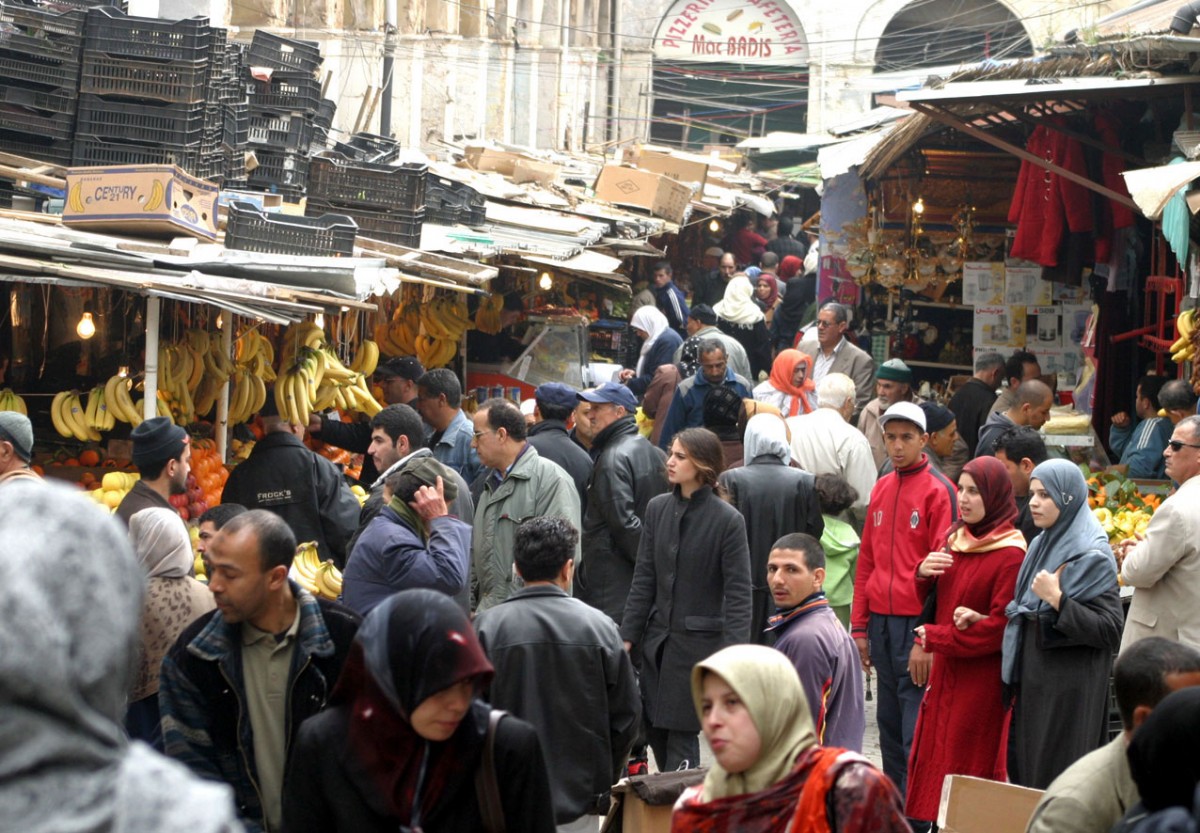
Nearly all Algerians have mixed Arab and Berber ancestry. Most speak a form of Arabic called Darija, which is influenced by Berber languages; about a quarter of the population speak Berber languages. Algeria’s history as a colony of France means that French is also widely spoken. Most Algerians live along the Mediterranean coast. The desert is home to the Mozabites, who live in oases in the northern Sahara, and the Tuareg, nomadic herders.

Tuareg
About 120,000 Tuareg nomads, a Berber people, live in Algerian’s southern desert, herding and trading cattle. They move from place to place with their herds, often crossing into Mali and Niger. The Tuareg consider the Sahara a number of different deserts; they call their land “Tinariwen” meaning “the deserts”. Increasing droughts and competition with modern industries, such as oil and uranium mining, for water threaten the Tuareg’s way of life, and many have moved to settle in villages and towns.


Oil and gas
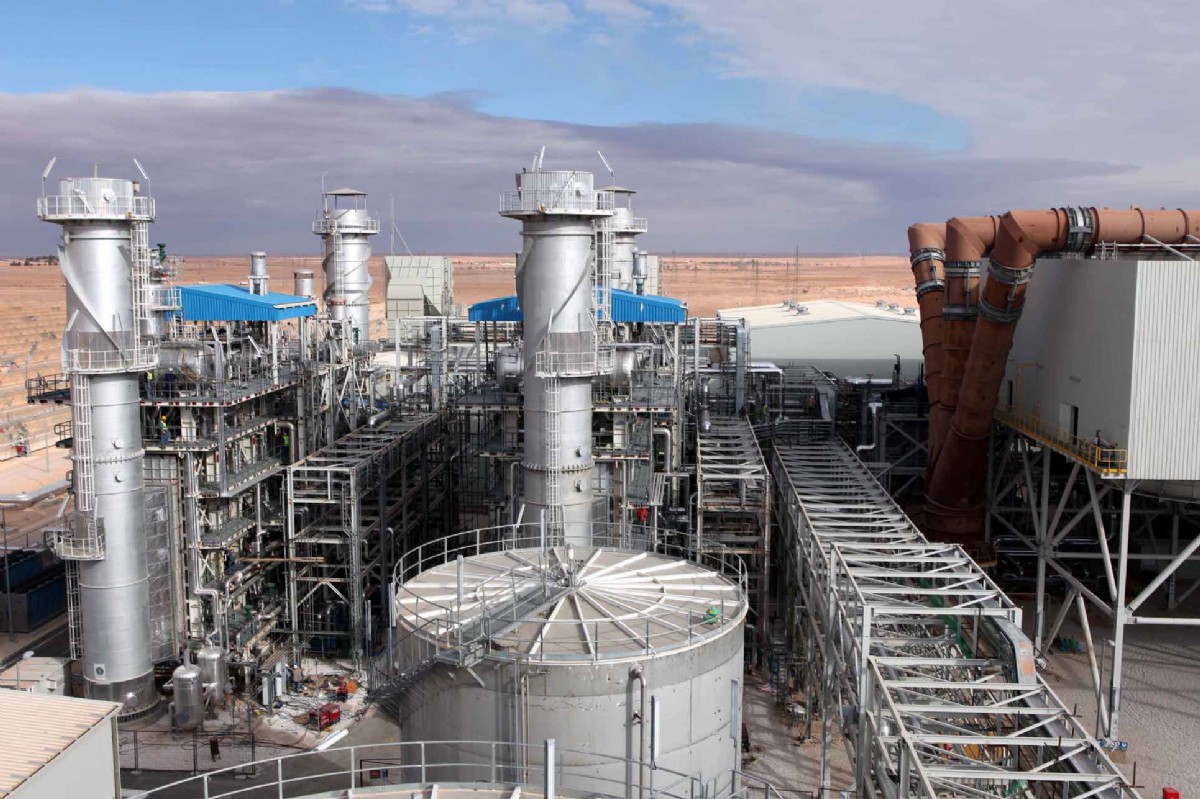
Algeria’s most important resource is its huge reserves of oil and natural gas. Huge pipelines link the oil and gas fields to processing centres along the coast. Here, factories refine oil and liquefy natural gas, increasing the value of these exports, most of which are shipped to Europe and the USA. A number of gas pipelines link directly from Algeria to Italy and Spain. Oil and gas together make up nearly all Algeria’s exports.
Farming
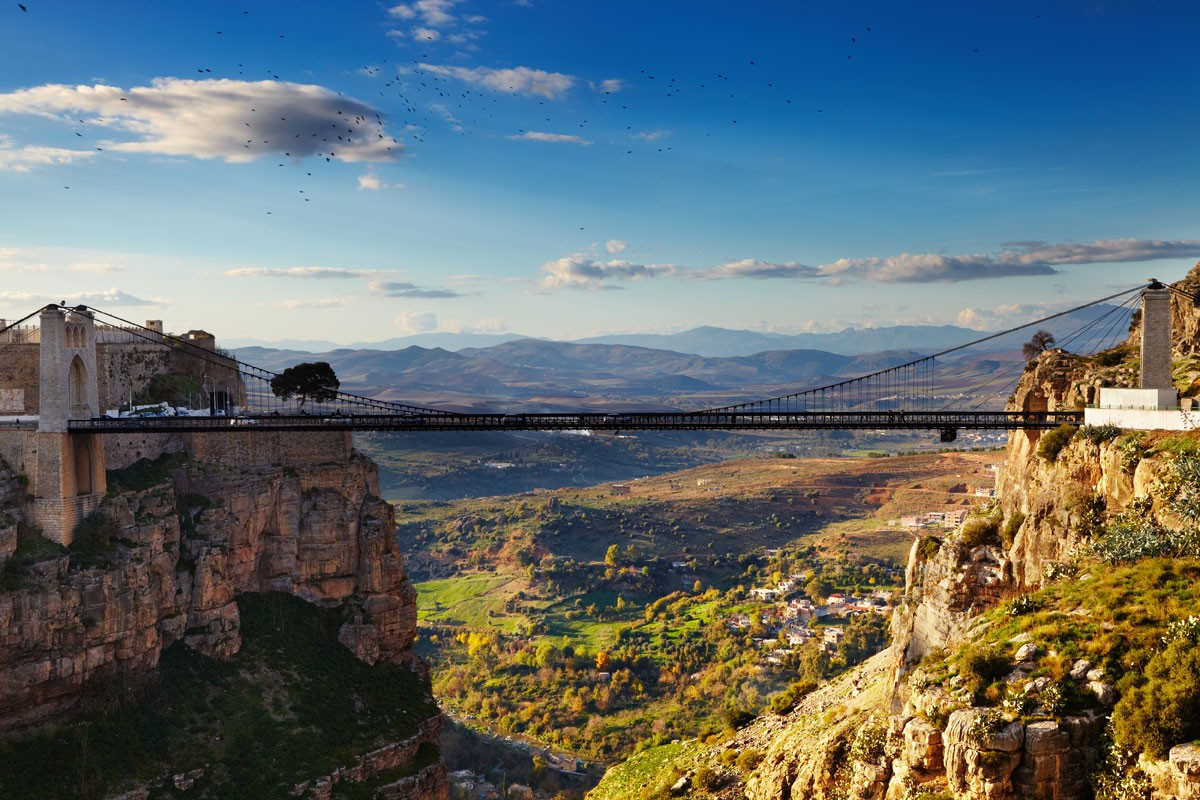
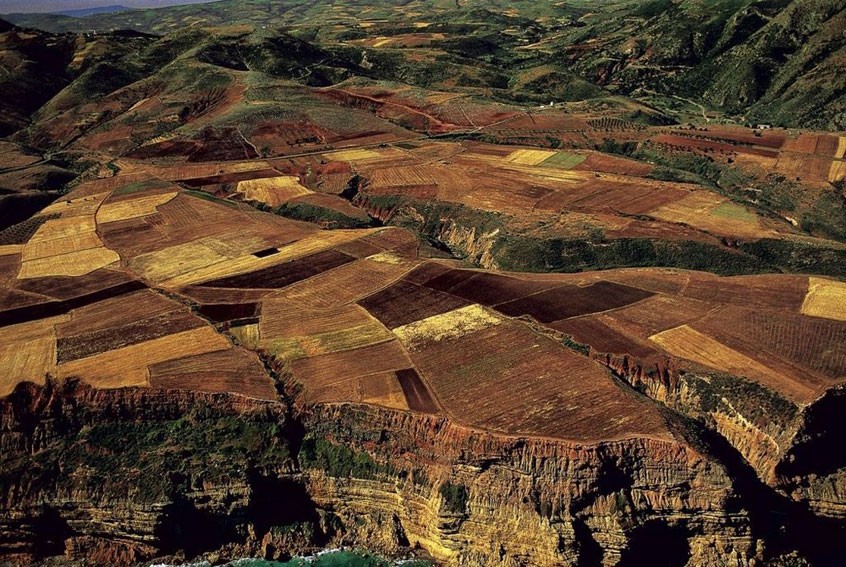
Only a very small part of Algeria’s land area is suitable for farming—mainly the land along the coast. Here, farmers grow barley and wheat, as well as Mediterranean crops such as grapes, tomatoes and citrus fruits. They cannot produce enough to feed Algeria’s large population, and the country has to import much of its food.
Consultant: Nicholas Harris
Facts about Algeria
Population 46,700,000 (2024 estimate)
Area 2,381,741 sq km
Highest point Tahat 2908 m (9541 ft)
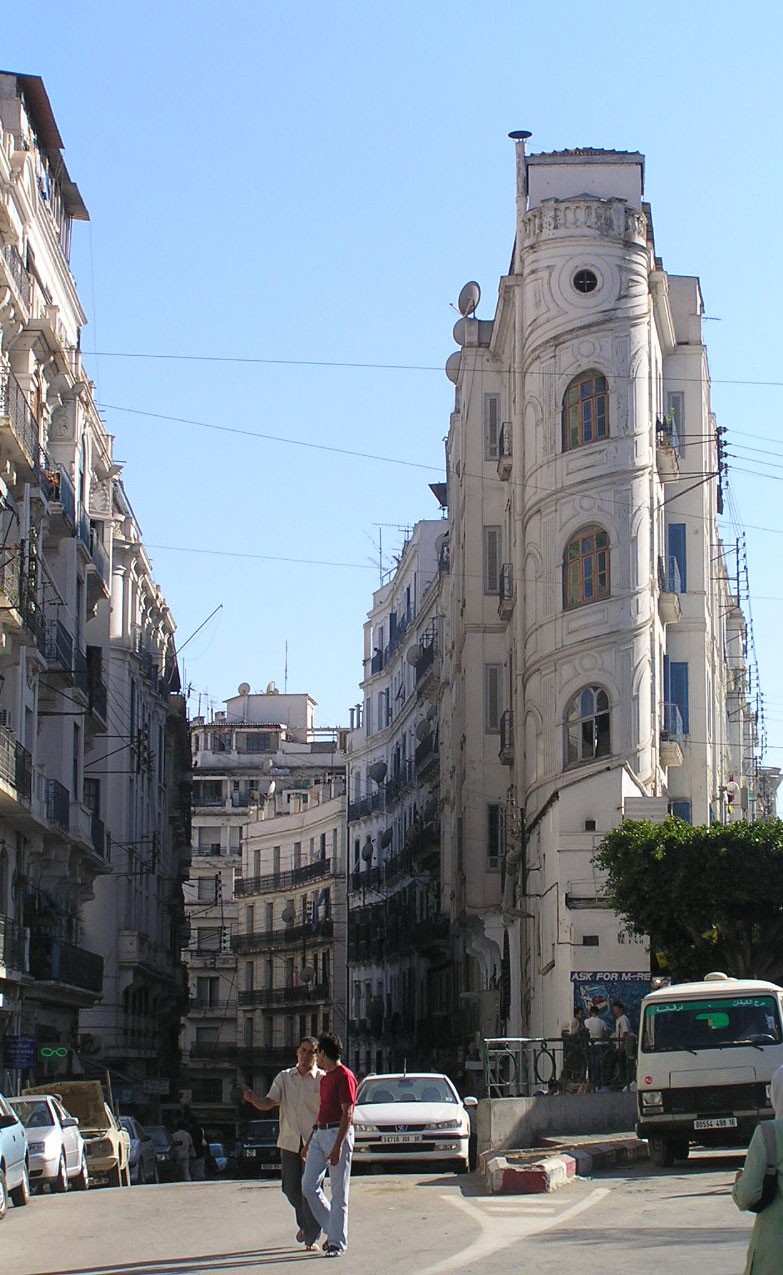
Capital Algiers, population 4.5 million
Other major cities Oran (pop. 1.5 million), Constantine (448,000), Annaba (343,000), Blida (332,000)
Languages Arabic, French
Religion Muslim 99%, others 1%
Ethnicity Arab-Berber 84%, Berber 15%, others 1%
Currency Algerian dinar (DZD)
Chief exports oil and petroleum products, natural gas
History of Algeria
3000 BC
Berber people live along the north African coast
1000 BC
The Algerian coast is colonized by the Phoenicians
200 BC
Two powerful Berber kingdoms grow up in Numidia, south of the Phoenician city of Carthage
24 AD
Roman Empire takes control of Berber kingdoms
430
Vandals, a Germanic people, invade and conquer the region
7th century
Arab Muslims conquer the region and many people convert to Islam
10th century
Berber peoples, including the Zirids and Almohads, take over control of the region from the Arabs
1505
Spain builds outposts along the Algerian coast and takes control of coastal towns
1516
Ottoman Empire takes control of Algeria
16th–19th centuries
Barbary pirates from Algeria are a powerful force in the Mediterranean, seizing non-Islamic ships and taking their crews as slaves
1830
French invade and conquer Algiers
1830s–40s
Thousands of French people emigrate to Algeria and are given land by the French government
1848
Algeria becomes an official overseas department of France
1954–62
Algerian War: groups calling for Algerian independence fight against the French government
1962
Algeria becomes independent from France
1976
Under President Houari Boumedienne, Algeria is a socialist, Muslim country with just one political party, the National Liberation Front (NLF)
1986
Oil and gas prices decrease suddenly, leading to strikes and violent protests
1992
Military takes over control of the country and conflict breaks out between security forces and supporters of the recent government. State of emergency declared
2000
Fighting in the 1990s is estimated to have killed more than 100,000 Algerians
2003
A powerful earthquake strikes northern Algeria, killing more than 2000 people
2007
Algeria suffers a wave of terrorist attacks
2015
Hundreds of people protest against mining shale gas, or “fracking”, in Algeria
2019
President Abdelaziz Bouteflika resigns after weeks of massive street protests