
States of the US
Wisconsin
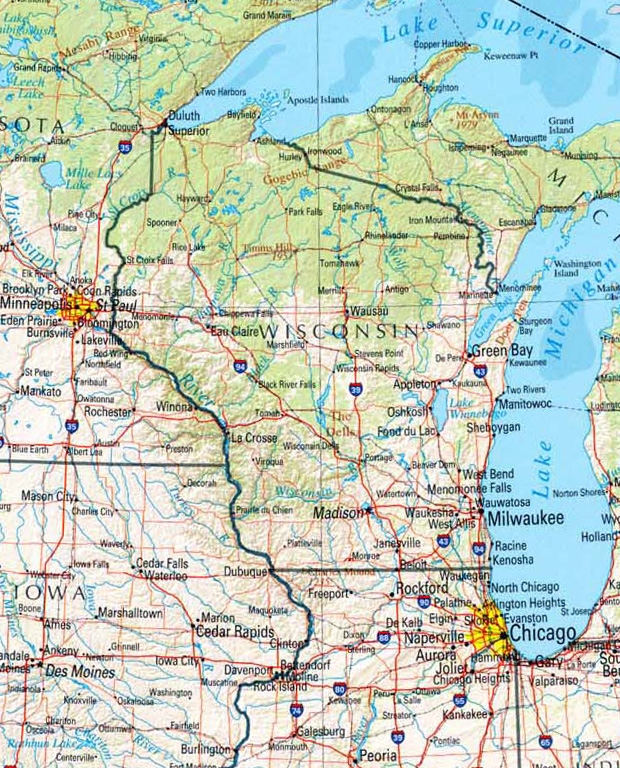
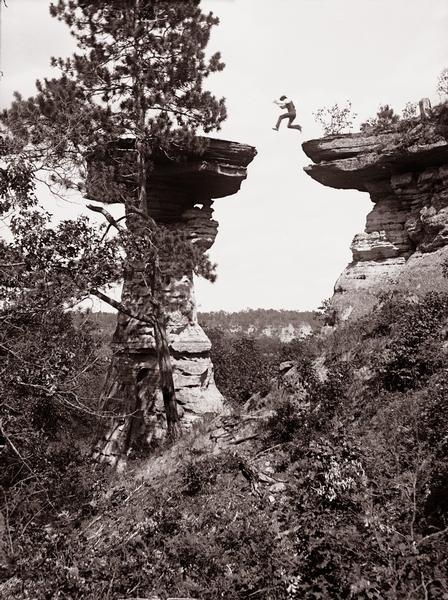
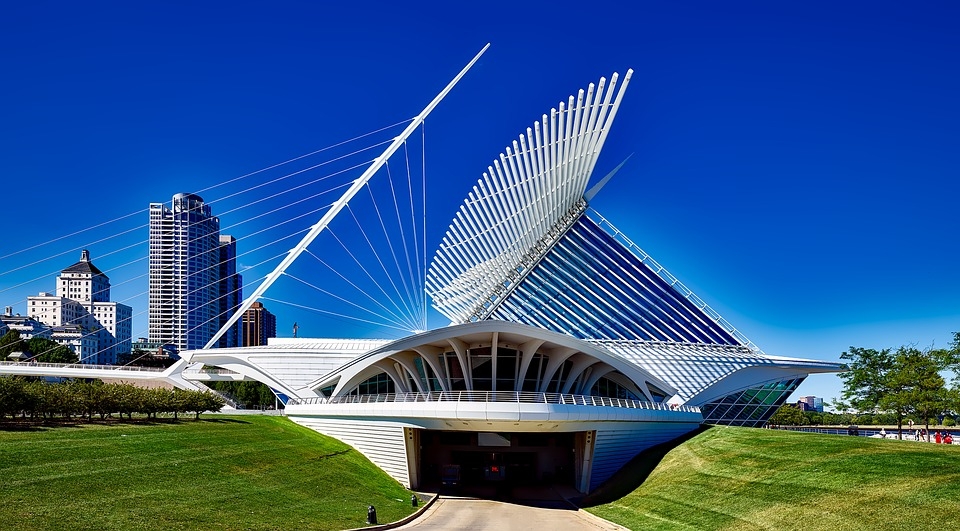
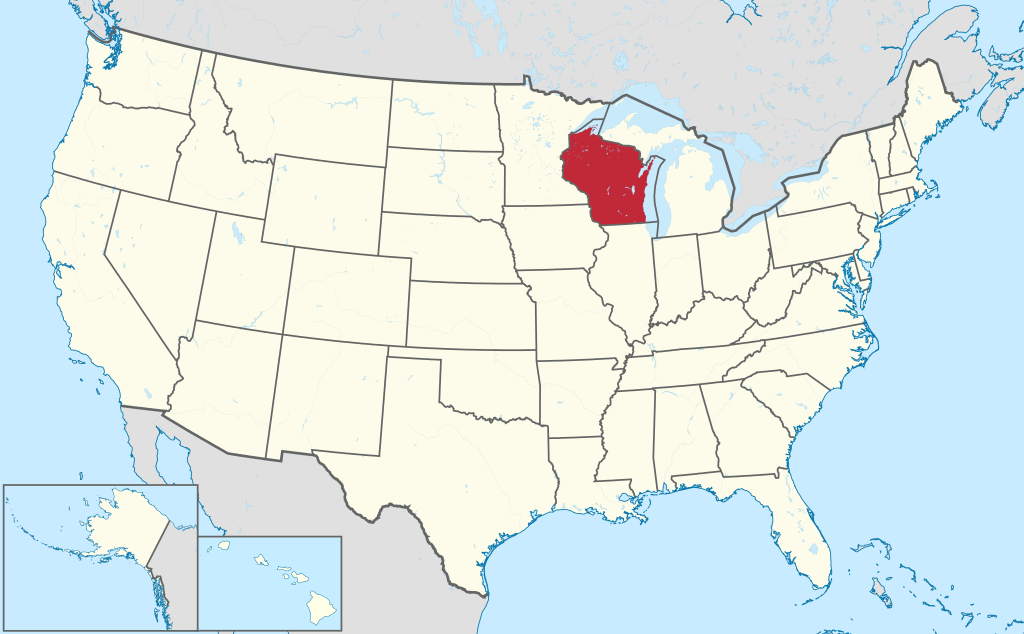
The state of Wisconsin is located in the northern Midwest region of the United States. In the north the land rises from the lowlands bordering Lake Superior to the wooded uplands of the Chequamegon-Nicolet National Forest. Here the landscape is dotted with thousands of glacial lakes. In the middle of the state lies the Central Plain. Here are the Wisconsin Dells, sandstone buttes and mesas formed where the Wisconsin River has carved its way across the plain. The lowlands bordering Lake Michigan, where Milwaukee and other cities are located, are interspersed with a series of ridges. Extending as far as the Mississippi River in the southwest are uplands with deeply carved river valleys. This is part of the Driftless Area, a region that escaped being glaciated during the last Ice Age and lacks a covering of glacial till.

Name
Wisconsin comes from the name given to the Wisconsin River by an Algonquian-speaking Native American people. French explorer Jacques Marquette became the first European to reach the Wisconsin River when he arrived in 1673. He recorded its local name as Meskousing. The name probably means ”it lies red", after the surrounding landscape where the river flows through the reddish sandstone of the Wisconsin Dells. Later French writers changed the spelling from Meskousing to Ouisconsin. Over time, the English version, Wiskonsin, later Wisconsin, became the name for both the river and the surrounding lands.
Climate
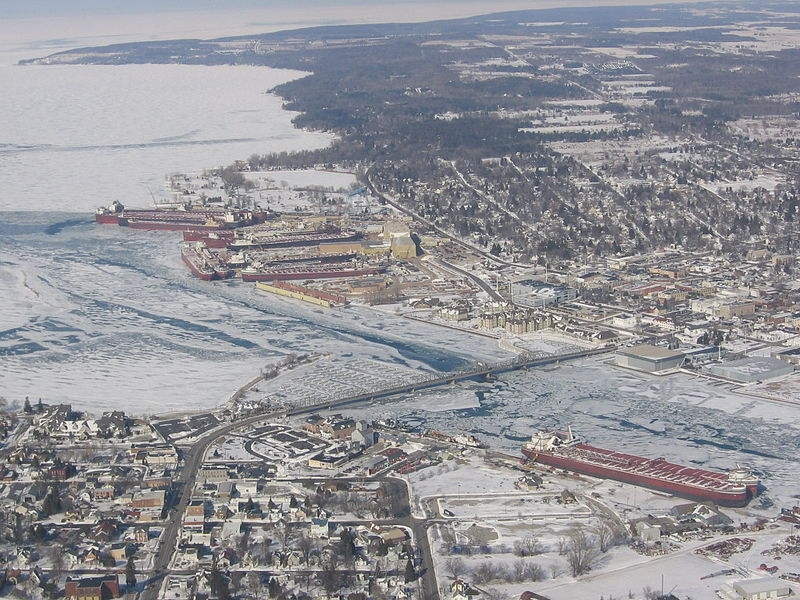
Located in the centre of North America, Wisconsin has a continental climate. Southern areas have hot summers and cold winters, while northern parts have slightly cooler summers. Wisconsin receives a large amount of regular snowfall in winter across the state.
Economy
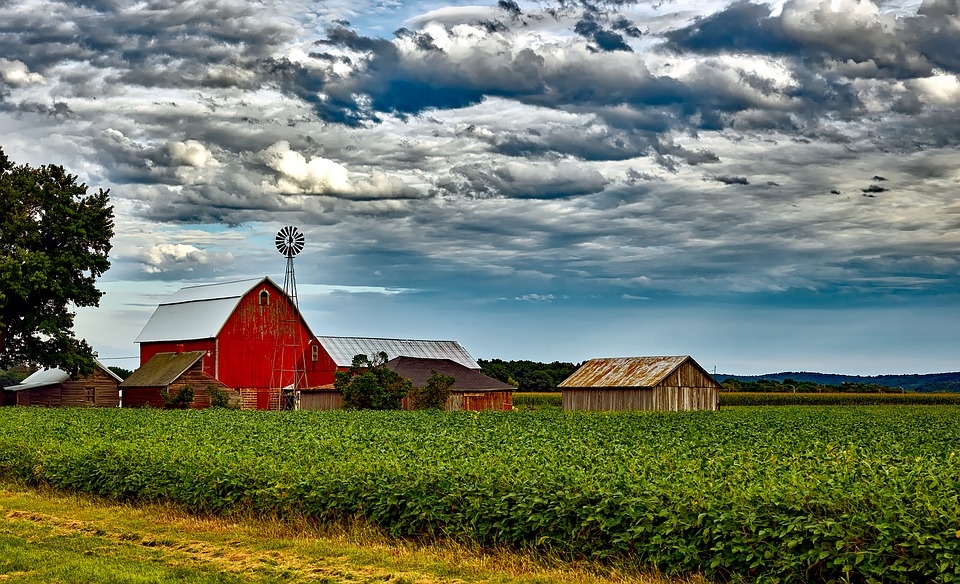
With the rich pasture lands of the Central Plain and southeastern lowlands, Wisconsin is the US’s leading dairy producer, famous for cheese, butter and milk. Crops include maize for silage, cranberries and snap beans. Manufacturing is diverse, with paper products and information technology among the state's leading products. Tourism is a significant contributor to the state's economy, with water sports a major draw.
Facts about Wisconsin
Area 65,498 sq miles (169,640 sq km)
Highest point Timms Hill 1951 ft (595 m)
Population 5,910,955
Capital Madison
Largest cities Milwaukee, 561,385; Madison, 280,305; Green Bay, 105,744; Kenosha, 98,211; Racine, 76,602
Nicknames Badger State, America's Dairyland
State bird Robin
State flower Wood violet
State tree Sugar maple
Consultant: Nicholas Harris
History of Wisconsin
17th century
The Wisconsin area is inhabited by the Algonquian-speaking Menominee and the Siouan-speaking Ho-Chunk (Winnebago) and Dakota peoples at the time of the arrival of the first Europeans
1634
French explorer Jean Nicolet canoes through Lake Huron and Lake Superior. He then travels on to Green Bay, which he names La Baie des Puants ("The Stinking Bay”), where he probably came ashore, near the Red Banks.
1650s–60s
French explorers arrive in Wisconsin to trade furs; they build a trading post near Ashland
1660s-70s
Claude-Jean Allouez, a Jesuit missionary, travels through Wisconsin establishing missions and encountering groups of Native Americans who had been displaced by Iroquois in the Beaver Wars (wars fought between the Iroquois and the French, together with their Native American Algonquian-speaking allies, for control of the fur trade).
1673
French explorers Jacques Marquette and Louis Jolliet travel through Wisconsin in search of the Mississippi River, which they reach, near what is now Prairie du Chien.
late 17th century–mid 18th century
French ply fur trade, but establish no permanent settlements
1763
Great Britain wins control of the region following victory over France during the French and Indian War, although French traders continue to work in the region (the fur trade in Wisconsin reaches its height under British rule)
1764
Charles Michel de Langlade, generally recognized as the first settler of Wisconsin, establishes a settlement at Green Bay around an existing trading post
1781
Settlement begins at Prairie du Chien
1783
Wisconsin becomes a territorial possession of the United States after the American Revolutionary War, although the British remain in control until after the War of 1812
1800
Wisconsin becomes part of Indiana Territory
1827–32
Winnebago and Black Hawk wars between US and Native Americans lead the forced removal of Native Americans from most parts of the state
1836
Wisconsin Territory is created; farmers immediately move into Wisconsin from New England
1830s–60s
Mass immigration from Northeast (Yankees) takes place, while British, German, Irish, Norwegian and other migrants arrive to settle in farms and towns across the state. The Erie Canal (opened 1825) makes travel into the state much easier than before. Many of the region's first settlers—from Cornwall—are drawn by the prospect of lead mining in southwest Wisconsin
1846
The settlements of Juneautown, Kilbourntown and Walker's Point merge to become the city of Milwaukee
1848
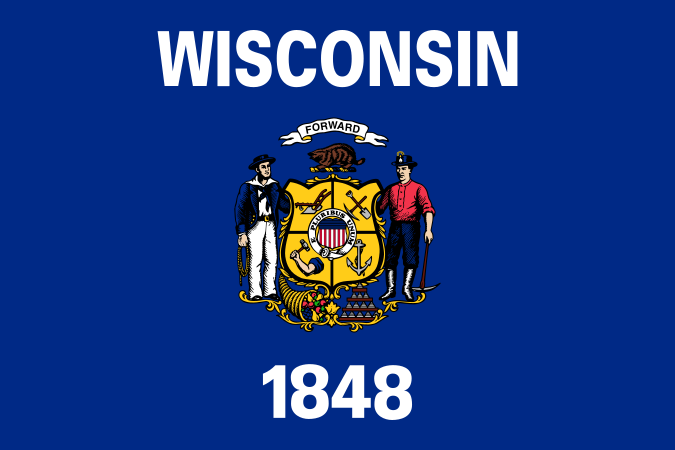
Wisconsin is admitted into the Union as the 30th state (it is the last state entirely east of the Mississippi River to join the Union)
1854
The Republican Party is founded by anti-slavery activists in Ripon
1890s
Wisconsin farmers shift from wheat to dairy production, establishing the state’s reputation as "America's Dairyland”
1967
Milwaukee riot, one of 159 race riots that swept cities in the United States during the "Long Hot Summer of 1967". African American residents, outraged by the slow pace in ending housing discrimination and police brutality, riot in the North Side of the city
2011
Wisconsin protests: around 100,000 people opposed to the Wisconsin Budget Repair Bill, proposed by Governor Scott Walker to limit public employee collective bargaining, conduct sit-ins and demonstrations at the Wisconsin State Capitol in Madison and college campuses across the state