
Africa
Mozambique
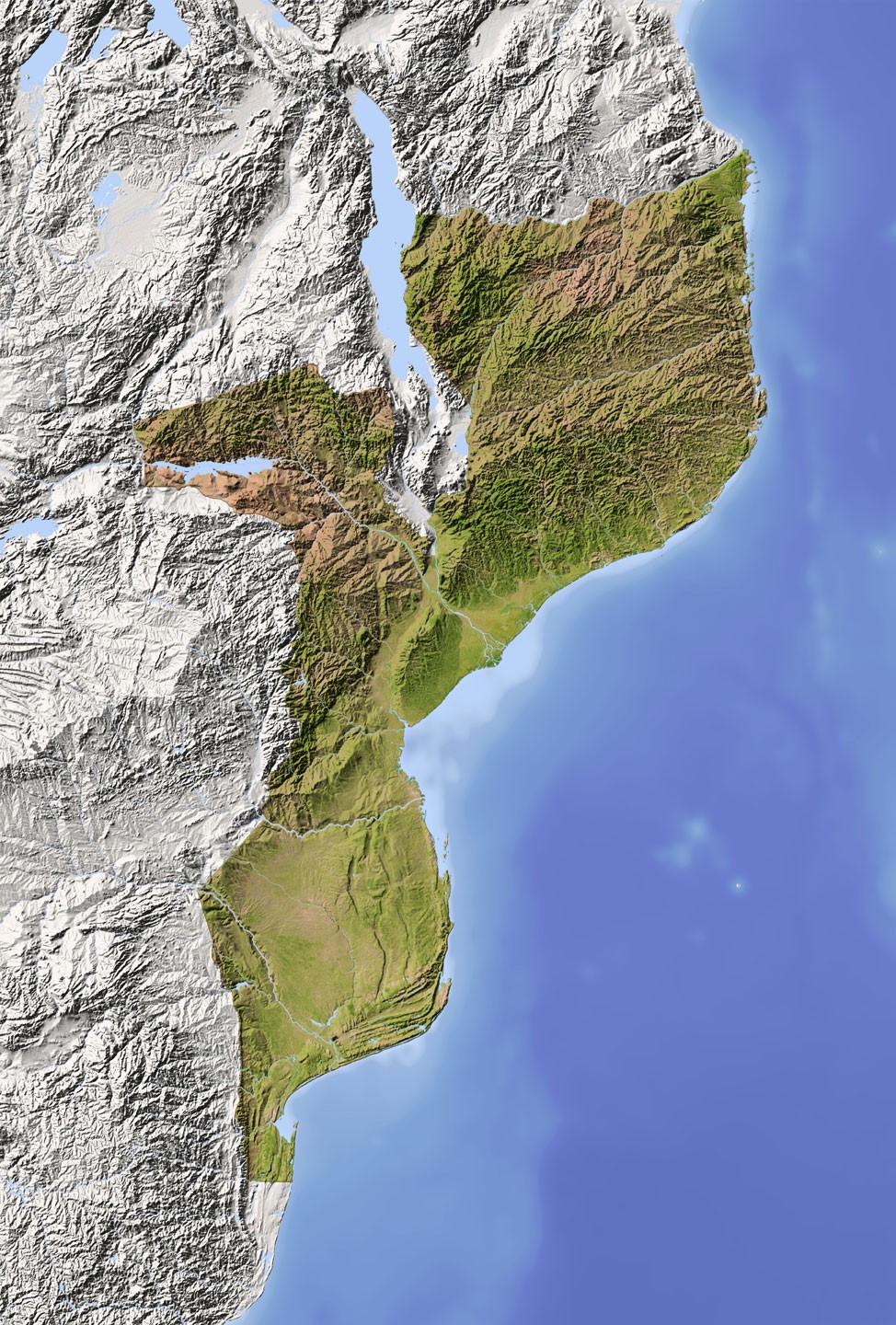
Mozambique lies in southeastern Africa, bordering the Indian Ocean. The coast is flat and marshy, fringed with lagoons and mangrove forests. The River Zambezi runs through the middle of Mozambique, dividing it in two, before it empties out into the Indian Ocean. Upstream, its waters are dammed to form Lake Cahora Bassa. This is the largest hydro-electric power plant in southern Africa, although building the dam led to the destruction of wetlands in the Zambezi Delta. To the north of the Zambezi, the land rises to a rugged, mountainous plateau, covered by woodlands. To the south, broad, grassy lowlands stretch all the way to the southern tip of the country where the capital, Maputo, is situated. Mozambique has a tropical climate. For much of the year, the weather is hot and humid; there is a rainy season between October and March.

People
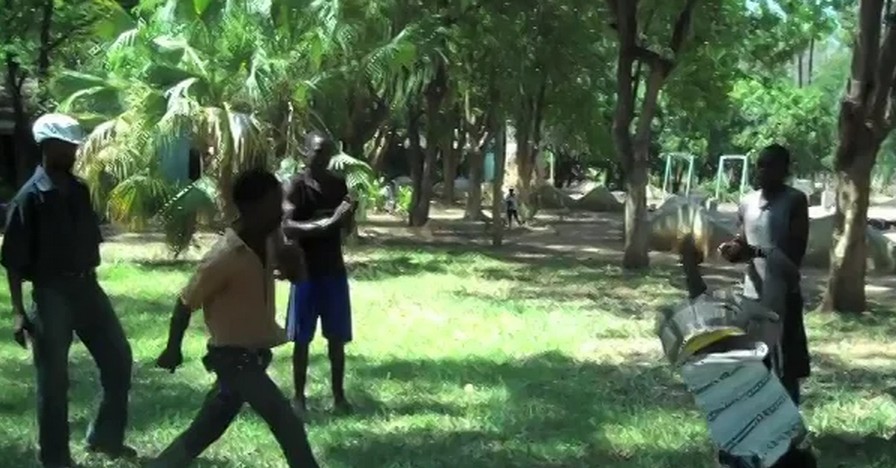
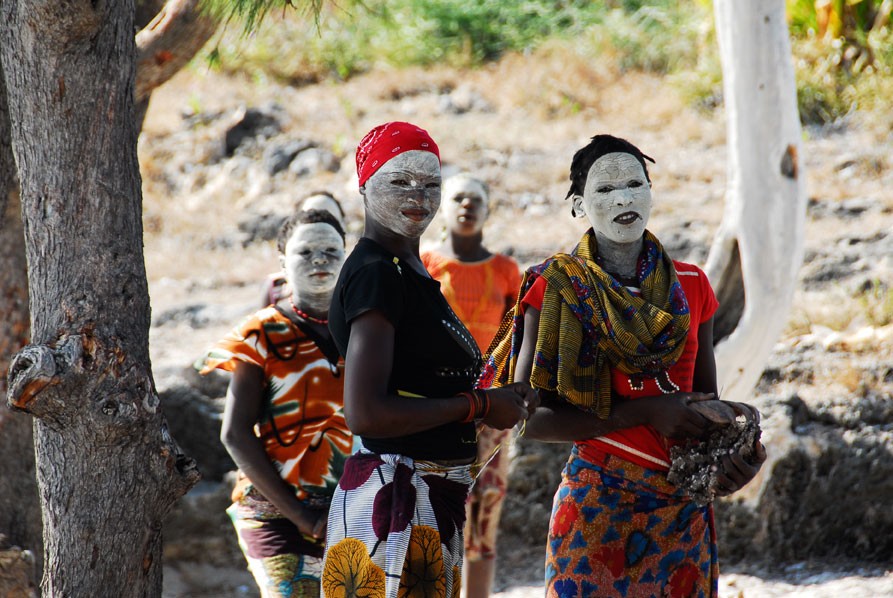
Most people in Mozambique are Bantu, the descendants of those who arrived in the region in the 3rd century AD. Mozambique’s official language is Portuguese. About 50% of the population speaks it, but outside the cities, it is mainly spoken as a second language. Many rural people use local Bantu languages instead; people in the far north speak Swahili.

Farming
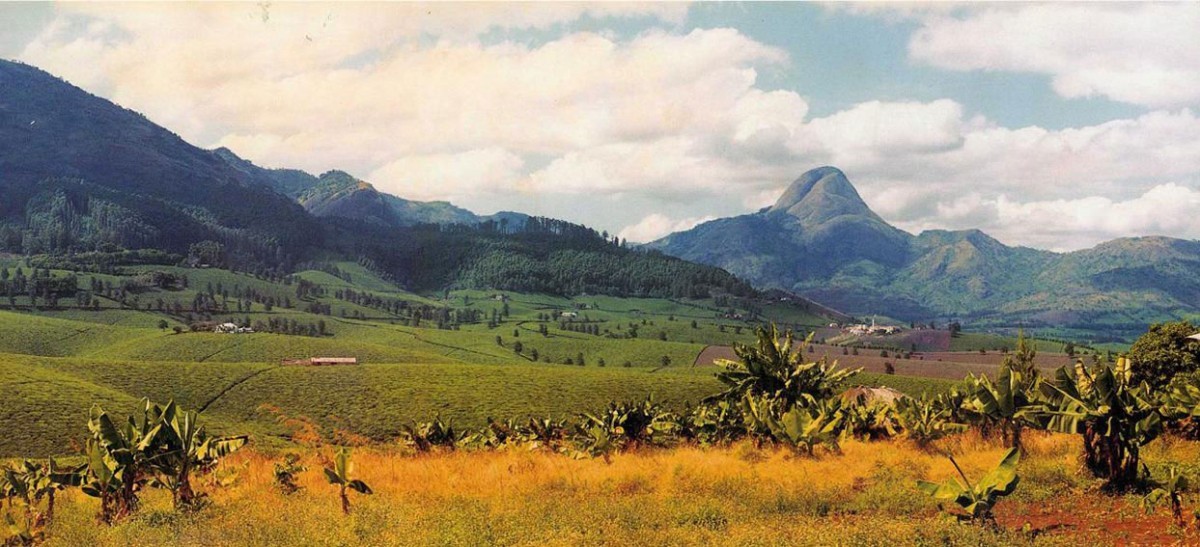
About four-fifths of Mozambicans live in the countryside where most work as subsistence farmers. They grow maize, cassava, sorghum, millet, rice, beans and sweet potatoes on small family plots of land called machambas. The main cash crops include tobacco, cotton, sugar cane and tea. Many Mozambicans depend on a good harvest to make a living, and natural disasters such as cyclones, flooding (especially in 2019) and drought have plunged thousands of families into deep poverty.
Mining
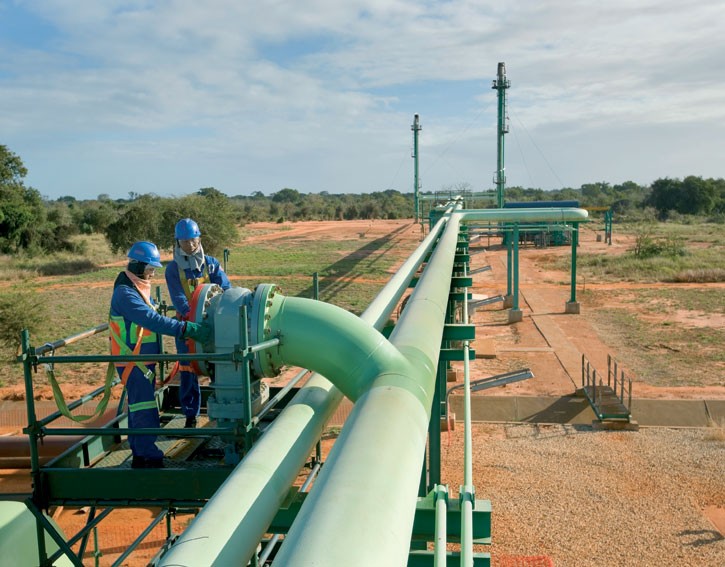
Mozambique has vast natural resources, including natural gas, gold, iron ore, ilmenite (the ore for the metal titanium) and bauxite (the ore for aluminium). The success of its mining industries has attracted many foreign companies to invest in the country, with the result that its economy is one of the fastest-growing in Africa. However, Mozambique is still one of the poorest countries in the world. It is forced to spend more on imports, such as food and machinery, than it earns from exports.
Niassa Reserve
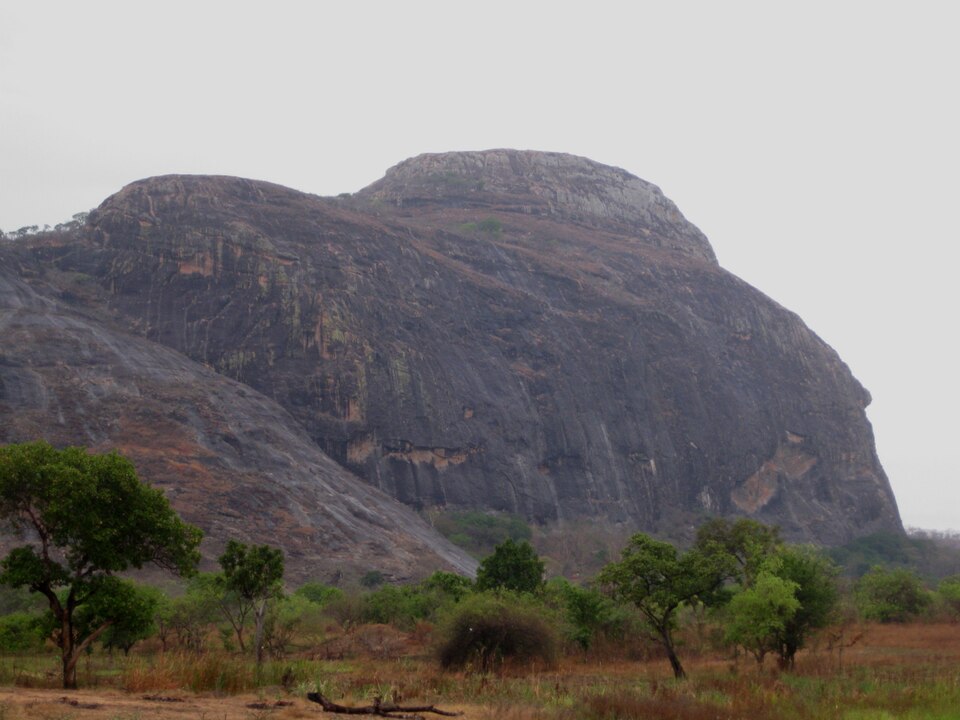
Niassa Reserve occupies part of the far north of Mozambique. Its northern border is formed by the River Rovuma, running along the border with Tanzania. Mount Mecula, an isolated granite outcrop, or inselberg, lies in the centre of the park. At 4.2 million hectares (10 million acres), the reserve is around the size of Switzerland. Miombo woodland covers around half of Niassa, the rest begin covered by open savanna. Regarded as one of Africa’s most important wildlife refuges, Niassa is home to 1000 lions, 350 critically endangered African wild dogs, and recovering populations of elephants, buffalo and other species.
On 29th April 2025, Islamist terrorists launched an assault on the Niassa Reserve, which left at least 10 people dead, including anti-poaching scouts. As a result, all conservation work has been suspended.
Consultant: Nicholas Harris
Facts about Mozambique
Population 34,881,007 (2024 estimate)
Area 786,380 sq km
Highest point Monte Binga 2436 m (7992 ft)
Capital Maputo, metro area population 1,766,823
Other major cities Matola (pop. 1,032,197), Nampula (663,212), Beira (592,090)
Languages Portuguese, Makhuwa, Sena, Swahili, Shangaan, Ronga, Elomwe
Religions Christian (Roman Catholic) 28%, Muslim 18%, Christian (Zionist) 16%, Christian (Protestant) 12%, others or none 26%
Ethnicity African (Makhuwa, Tsonga, Lomwe, Sena and others) 99%, others 1%
Currency Mozambican metical (MZN)
Chief exports aluminium, prawns, cashew nuts, cotton, sugar, citrus, timber, electricity
History of Mozambique
3rd century
Bantu-speaking tribes from western and central Africa settle in the region
11th century
Shona empire grows up between the Limpopo and Zambezi rivers
1498
Portuguese explorer Vasco da Gama visits the Mozambican coast on his voyage around the Cape of Good Hope
1500
Portuguese begin building trading settlements along the coast
1500–1700
Portuguese colonize large areas of inland Mozambique and seize control of coastal trade routes from Arab merchants
1700
Omani Arabs regain control of the Mozambican coast. Mozambique becomes a major centre of slave-trading
1842
Portugal bans the slave trade in Mozambique—but it continues in secret
1878
Portugal rents out parts of Mozambique to trading companies
1902
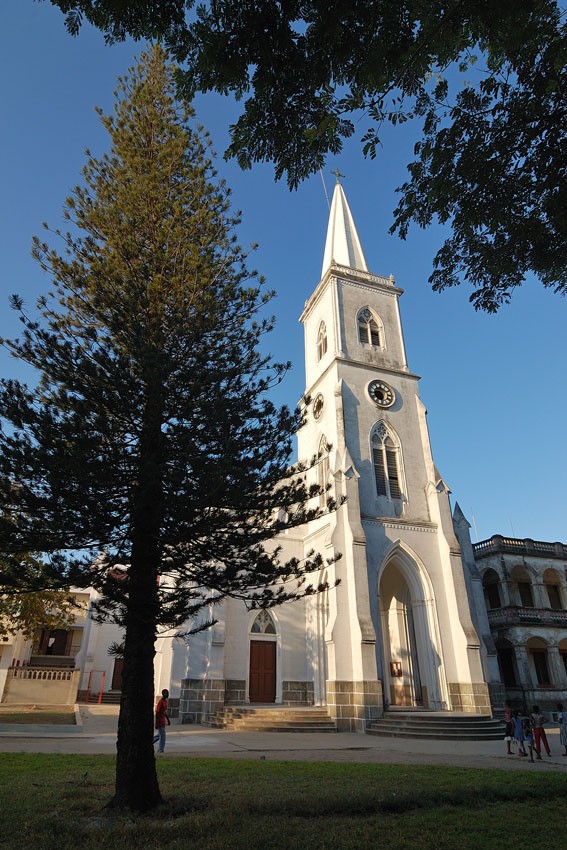
Lourenço Marques becomes the capital of Portuguese Mozambique
1932
Portugal takes back control over the whole colony from trading companies
1950s
A growing economy attracts thousands of Portuguese settlers to live in Mozambique
1962
A new political group is set up to oppose Portuguese rule: the Mozambique Liberation Front (Frelimo)
1964
Frelimo begins fighting against the Portuguese government, calling for independence. Frelimo takes control of the north
1974
A military coup overtakes the government in Portugal. Its new government supports independence for Portugal’s overseas colonies
1975
Mozambique becomes independent. There is just one political party: Frelimo. Frelimo's leader, Samora Machel, becomes president
1976
The capital, Lourenço Marques, is renamed Maputo
1977
Civil war breaks out between the Frelimo government and Renamo (Mozambican National Resistance) rebels
1986
President Machel is killed in a plane crash
1992
Renamo and Frelimo leaders sign a peace deal, ending the civil war. Between 300,000 and 600,000 people die of famine during the war. After the war. over 1.7 million people who had sought refuge in neighbouring countries return to Mozambique. An additional 4 million internally displaced persons return to their homes.
2000
Floods devastate much of southern Mozambique, leaving tens of thousands of people homeless
2001
70,000 people are made homeless following severe flooding in the Zambezi Valley
2009
350,000 Mozambicans suffer famine because of poor harvests
2010
Major gas reserves discovered off the coast of Cabo Delgado province in the far north
2013
Tensions flare up again between the government and Renamo
2015
Mozambique declared to be free of landmines, following a 22-year effort to remove the devices planted during the War of Independence and civil war
2017 onwards
Islamist insurgency in the northern state of Cabo Delgado, led by Ansar al-Sunna and Islamic State terrorist groups, causes around 700,000 people to flee the region (by April 2021)
2019
Cyclone Idai and Cyclone Kenneth cause widespread flooding, devastation and loss of life in Beira and the surrounding region
2024–25
Protests are mounted against the 2024 Mozambican general election, in which the Frelimo leader Daniel Chapo was proclaimed the winner, a victory disputed by opposition leader Venâncio Mondlane