
States of the US
Oregon
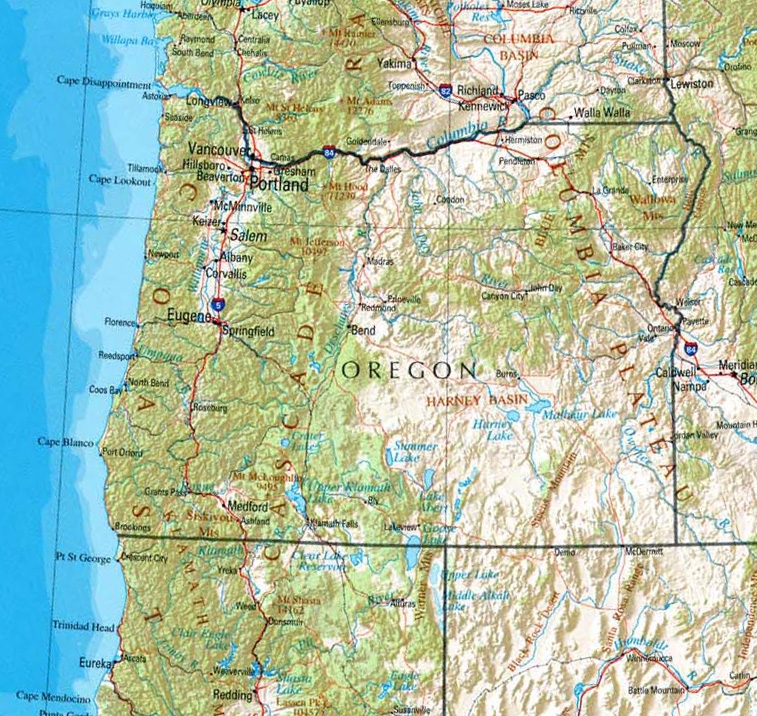
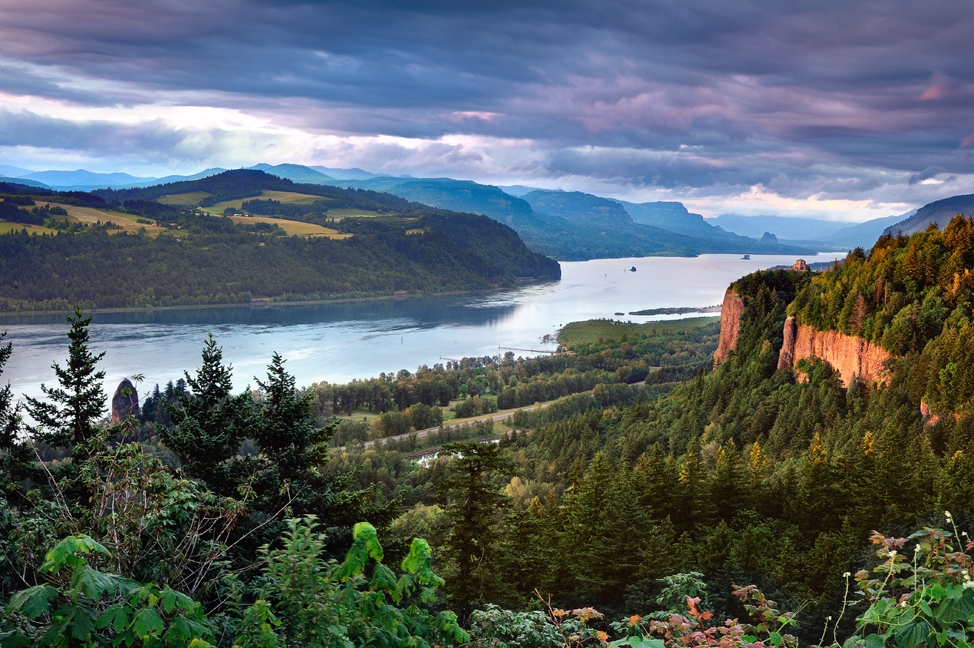
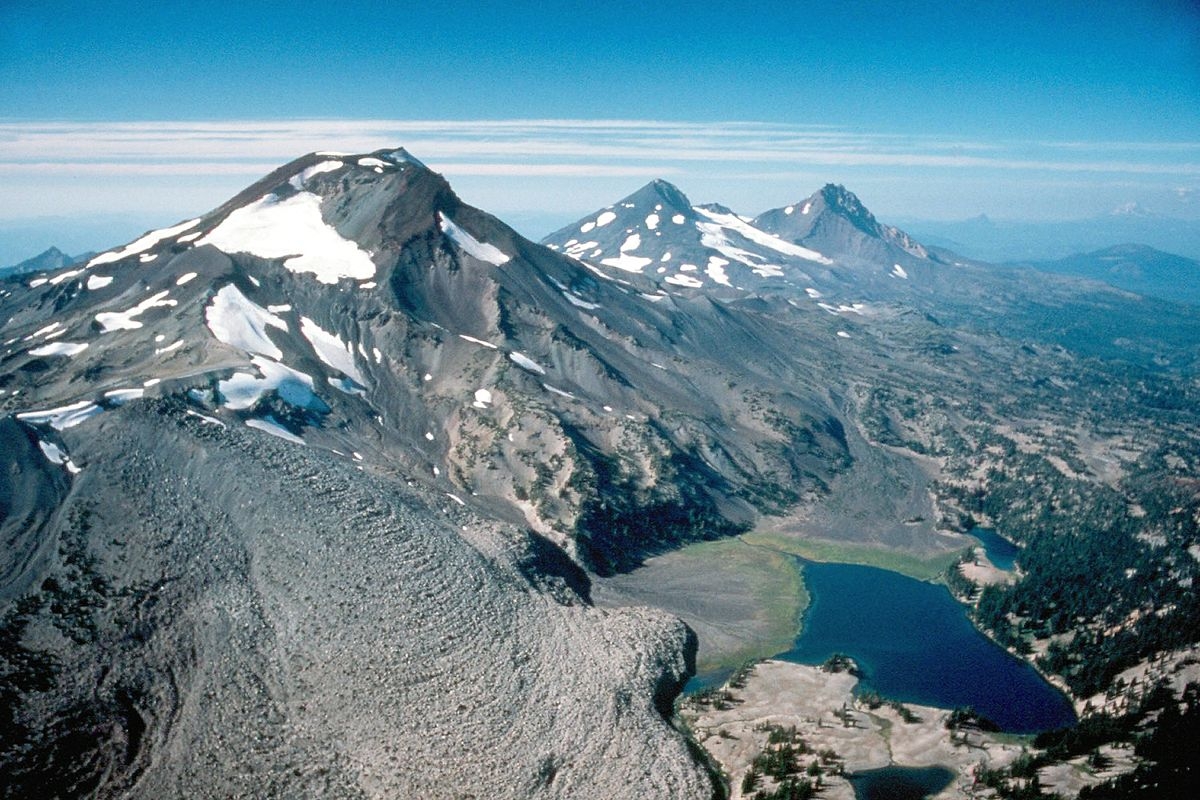
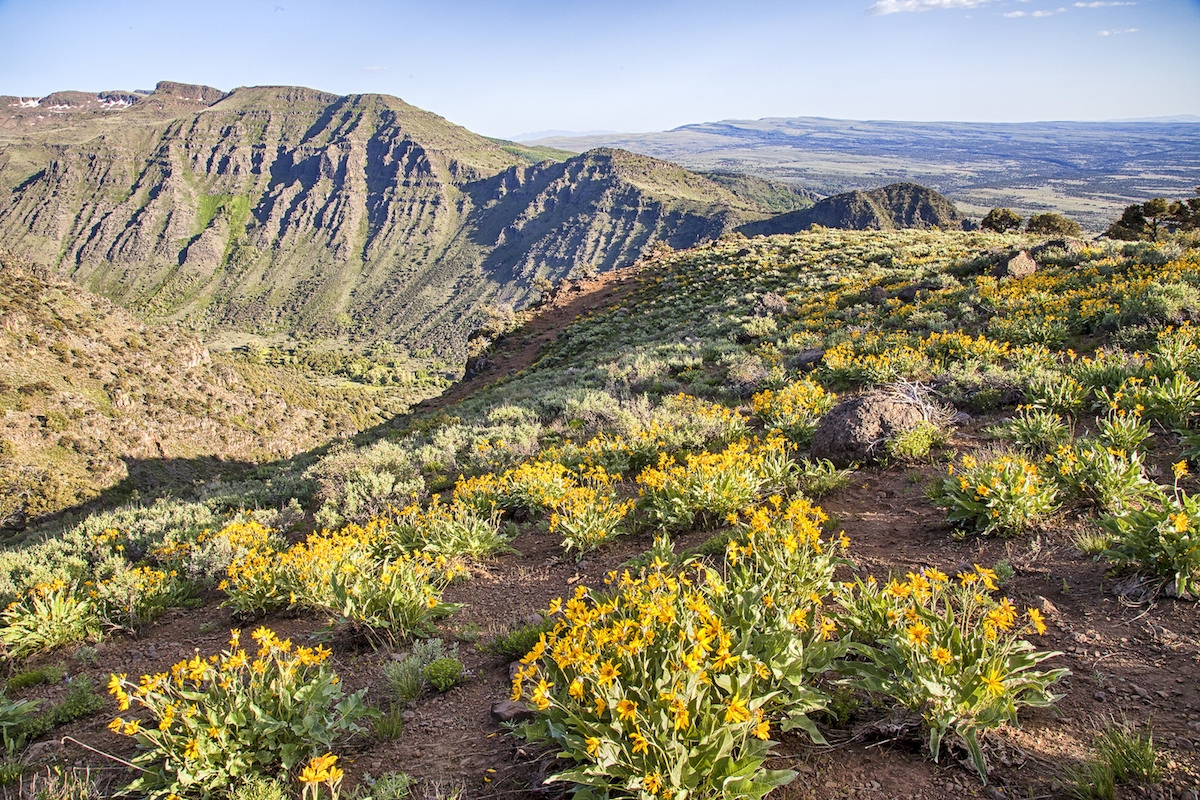
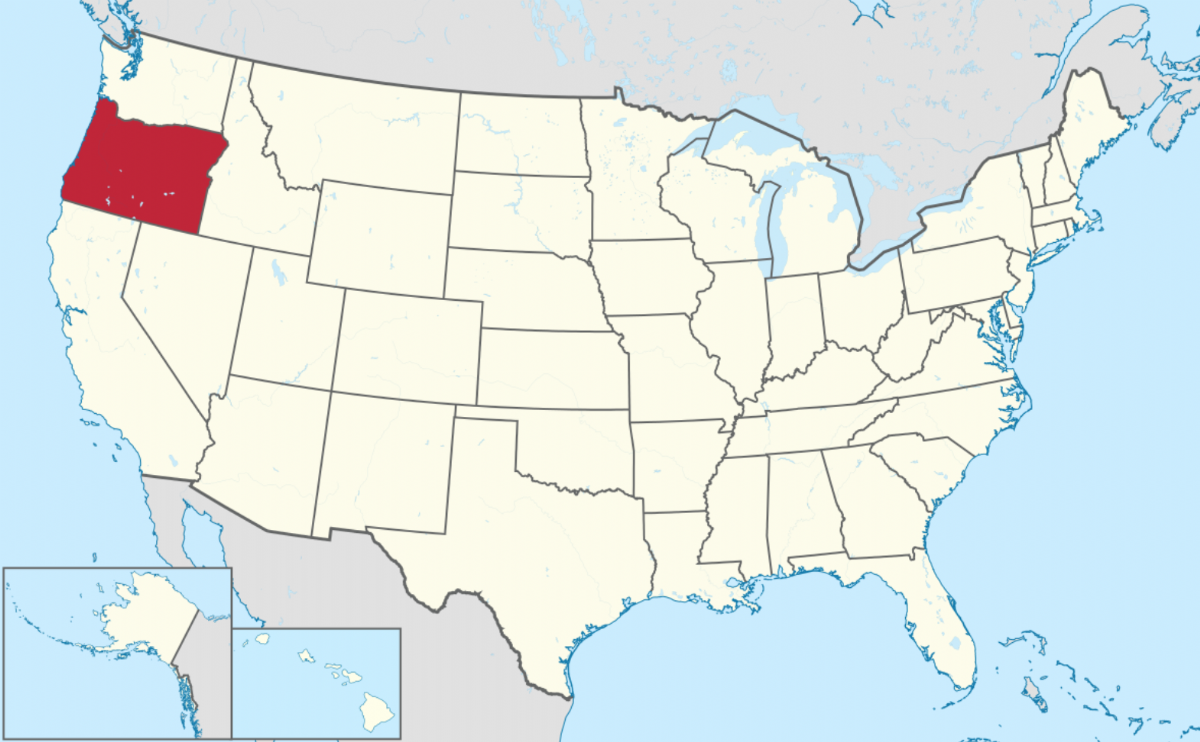
Oregon is located in the northwestern region of the United States. Rising steeply from the narrow Pacific coastal plain is the Oregon Coast Range. Inland lies the Willamette Valley. Here, where the Willamette River flows north through rolling farmland, is the industrial heart of the state and the location of its largest cities. Farther east, beyond the snowcapped volcanic peaks of the Cascades, is the high Columbia Plateau. These densely forested uplands are cut through by steep gorges. In the south, they merge into the semi-arid Great Basin region. Little vegetation grows here, and the area is largely empty of human habitation.

Name
There are several theories for how Oregon came to be called. It may have had Spanish origins. Spanish explorers in the late 18th century referred to what is now called the Columbia River the Orejón. The British called the river the Ouragon, believing that to be its Native American name.
Another theory is the name comes from the French word ouragan, meaning “windstorm" or "hurricane", after the strong Chinook winds of the lower Columbia River area. Others say it may have a Portuguese origin, from the expression aure il agua, meaning “hear the waters” (of the Columbia). This gradually changed over time to Oragua, then to Oregon. It is even possible the name came from a printer’s error on a map in which the Ouisiconsink (Wisconsin) River was spelled "Ouaricon-sint”. The label appeared on two lines with the -sint below, so there appeared to be a river flowing west with the name "Ouaricon."
Climate
The Coast and Cascades mountain ranges have a major influence over Oregon’s climate. Eastwards-moving air heavy with moisture from the Pacific Ocean is forced to rise over the high peaks and cool. This leads to heavy precipitation in the western third of the state throughout the year, apart from in summer. Eastern Oregon has a much drier continental climate, with cold, snowy winters and very dry summers. The Pacific Ocean gives western Oregon mild temperatures.
Southwestern Oregon has a Mediterranean climate similar to that of Northern California, with drier winters and hotter summers than further north. The Willamette Valley, where more than two-thirds of Oregon’s population lives, has mild winters.
Economy
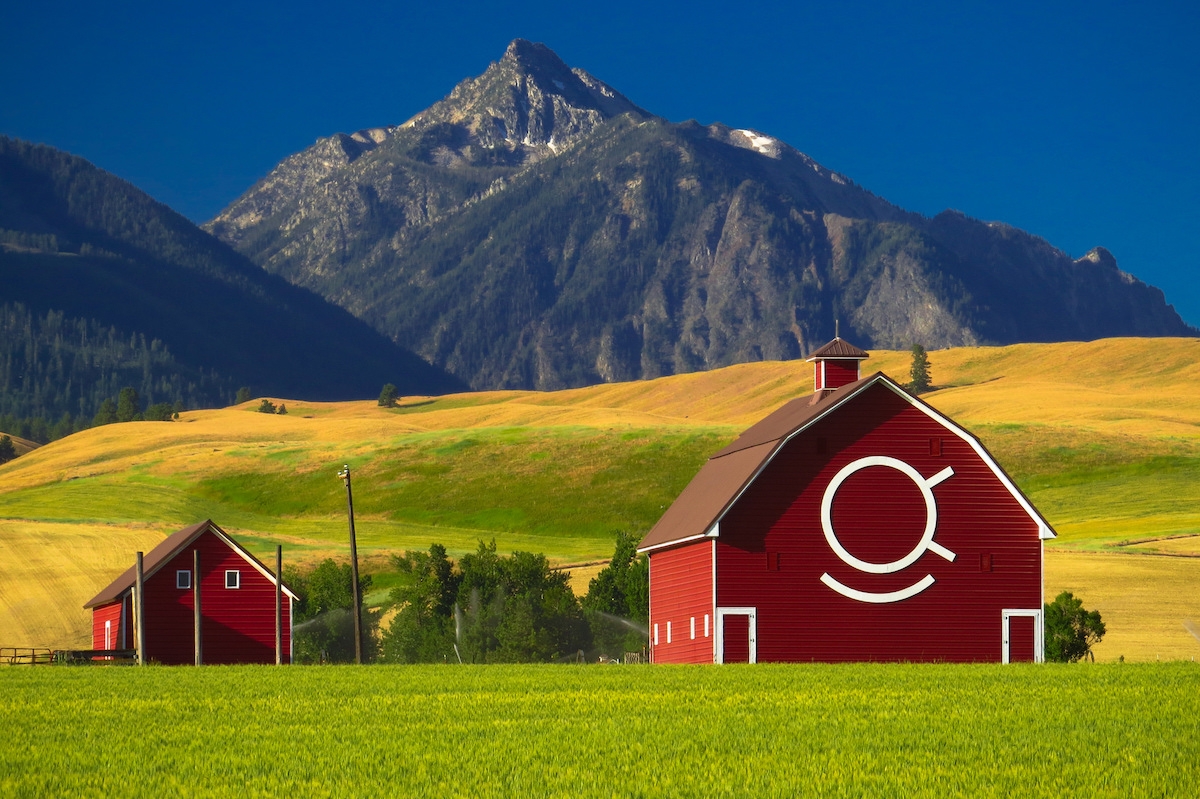
Oregon's major farm products include fruit (including cranberries and hazelnuts), vegetables, flowers, grass seed, hay and wheat. Cattle are raised in vast herds on the plateaus east of the Cascades. Oregon has an important wine industry. Salmon fisheries, centred around Astoria, are some of the largest in the world.
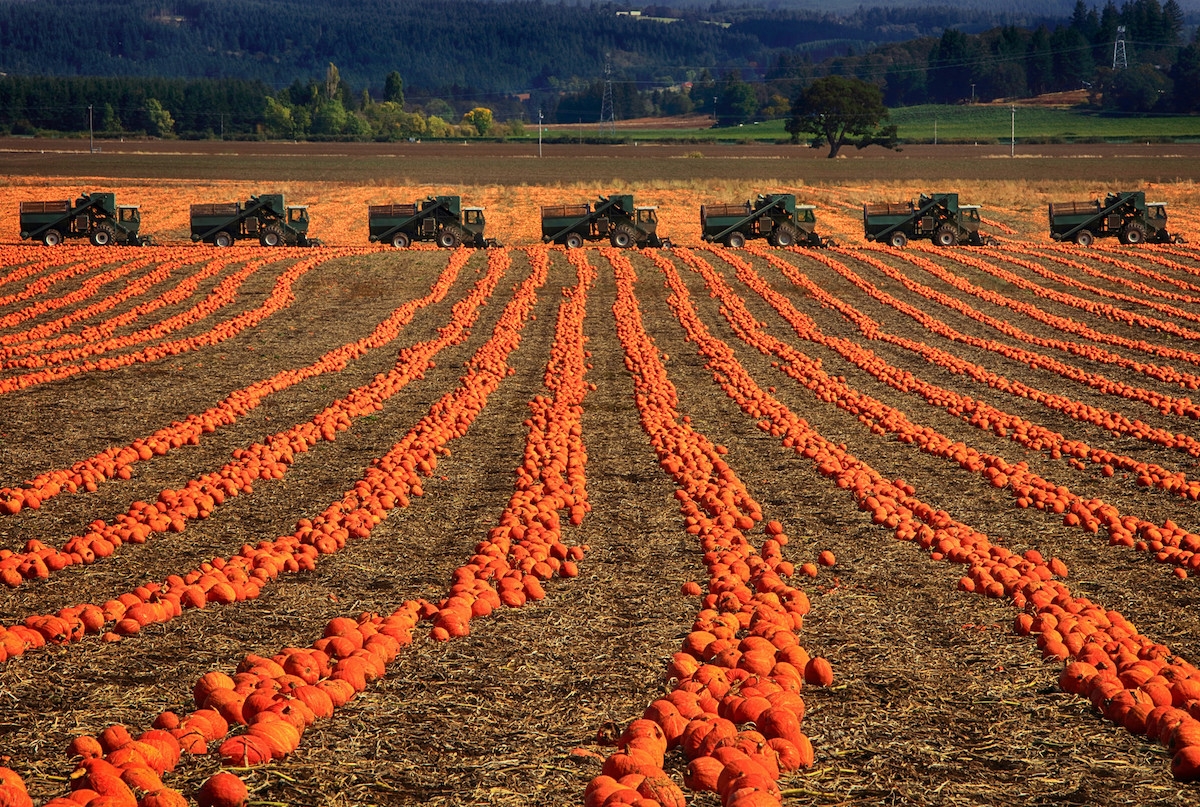
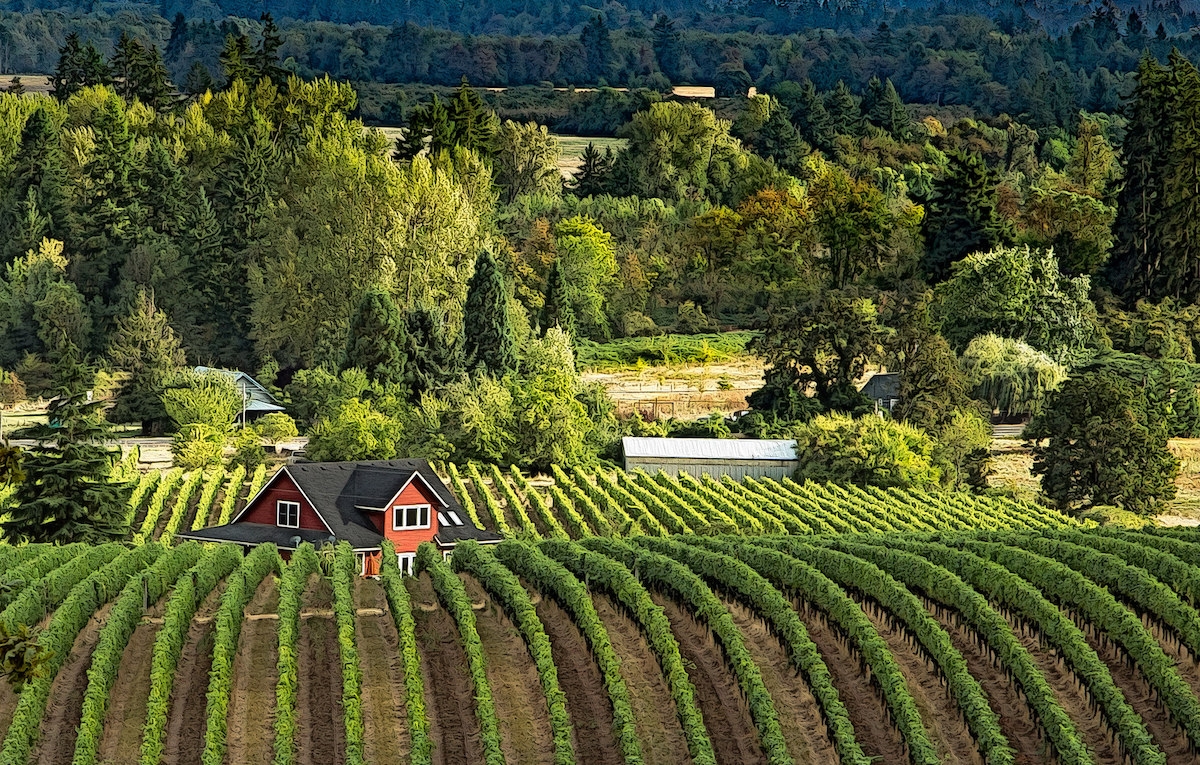

With nearly half of its area covered by forest, Oregon has enormous resources of timber. Logging and paper production are major industries, along with metals, machinery, chemicals and food processing. In recent decades Oregon has become known as the "Silicon Forest", with many computer and hi-tech companies setting up in the state. Abundant hydro-electric power is supplied by numerous dams, most notably those on the Columbia River. Oregon’s ocean beaches, mountains and lakes, including Crater Lake National Park, are a big draw for tourists.

Facts about Oregon
Area 98,381 sq miles (254,806 sq km)
Highest point Mount Hood 11,249 ft (3429 m)
Population 4,233,358
Capital Salem
Largest cities Portland, 630,498; Eugene, 177,899; Salem, 177,432; Gresham, 110,685; Hillsboro, 107,730; Bend, 104,557; Beaverton, 96,945; Medford, 85,098
Nickname Beaver State
State bird Western meadowlark
State flower Oregon grape
State tree Douglas fir
Consultant: Nicholas Harris
History of Oregon
before 16th century
Oregon is home to Native American peoples, including the Coquille (Ko-Kwell), Bannock, Chasta, Chinook, Kalapuya, Klamath, Molalla, Nez Percé, Takelma, Tillamook and Umpqua
1543
Spanish explorer Juan Rodríguez Cabrillo sights southern Oregon from off the Pacific Coast
1579
English adventurer Francis Drake spends part of summer in Nehalem Bay repairing his ship; he claims the land between 38 and 48 degrees north for England
late 18th century
Coast explored by Spanish (Juan José Pérez Hernández) and the British (James Cook, in 1778). Vessels of several nations engage in trading furs with the Native Americans
1792
US Captain Robert Gray sails up the river which he names after his ship, the Columbia; he claims the area for the United States
1805–06
The Lewis and Clark Expedition travels through northern Oregon. They build their winter fort at Fort Clatsop, near the mouth of the Columbia River
early 19th century
French Canadian trappers arrive in the eastern part of the state, many having travelled as members of Lewis and Clark and later expeditions. Some, including Étienne Lussier, stay permanently. They are responsible for a number of French placenames in Oregon, including Malheur Lake, the Grande Ronde River and the city of La Grande
1811
British explorer David Thompson, while working for the North West Company, becomes the first European to navigate the entire Columbia River. He posts a claim to the region for Great Britain
1811
Agents for the New Yorker John Jacob Astor found Fort Astoria at the mouth of the Columbia River, the first permanent European settlement in Oregon
1818
Treaty establishes joint British and American rights over the region between the Rocky Mountains and the Pacific Ocean, known as the Columbia District to the British, and Oregon Country to the Americans
1820s–30s
The British Hudson's Bay Company, having merged with the North West Company in 1821, effectively controls the Pacific Northwest from its headquarters at Fort Vancouver
1842–1843
The Oregon Trail brings new white settlers to Oregon Country
1843
Autonomous government is formed in Oregon Country
1844
Oregon passes its Black Exclusion Law, which prohibits African Americans from entering the territory, while also prohibiting slavery
1846
Oregon Treaty: the border between the United States and British North America is set at the 49th parallel
1848
Oregon Territory created
1850
Donation Land Claim Act: the Native American population is forcibly relocated to reservations in Oregon
1859
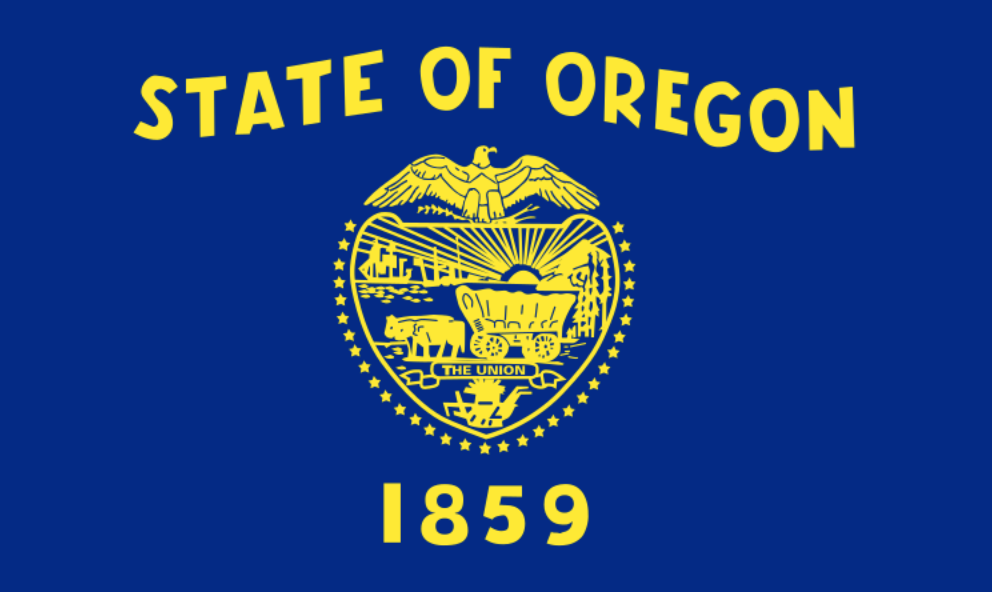
Oregon is admitted to the Union as the 33rd state
1860s–90s
Wheat farming and cattle raising dominate the local economy
1937
Construction of the Bonneville Dam on the Columbia River between Oregon and Washington is completed. It enables hydro-power generation and aids river navigation
2020
Black Lives Matter protests are held daily in Portland following the police murder of African American George Floyd in Minneapolis. Instances of looting and vandalism are reported. In response, federal forces are deployed in the city, where their use of unmarked cars and officers in camouflage without clear identification badges generates outrage