
Africa

CITE
We have made every effort to follow citation style rules, but there may be some minor differences. If in doubt, please refer to the appropriate citation style manual.
Angola. (2026). In Q-files Encyclopedia, Geography, Africa. Retrieved from
https://www.q-files.com/geography/africa/angola
"Angola." Geography, Africa, Q-files Encyclopedia, 30 Mar. 2026.
https://www.q-files.com/geography/africa/angola.
Accessed 6 Aug. 2026.
Angola 2026. Geography, Africa. Retrieved 6 August 2026, from
https://www.q-files.com/geography/africa/angola
Geography, Africa, s.v. "Angola," accessed August 6, 2026.
https://www.q-files.com/geography/africa/angola


Angola
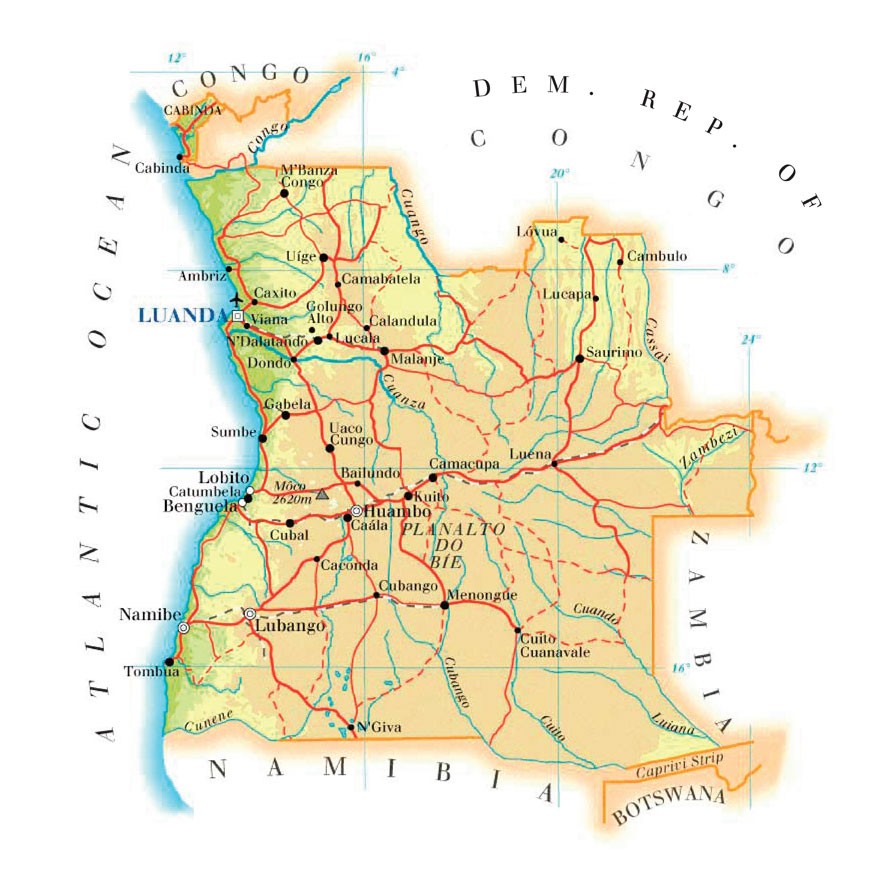
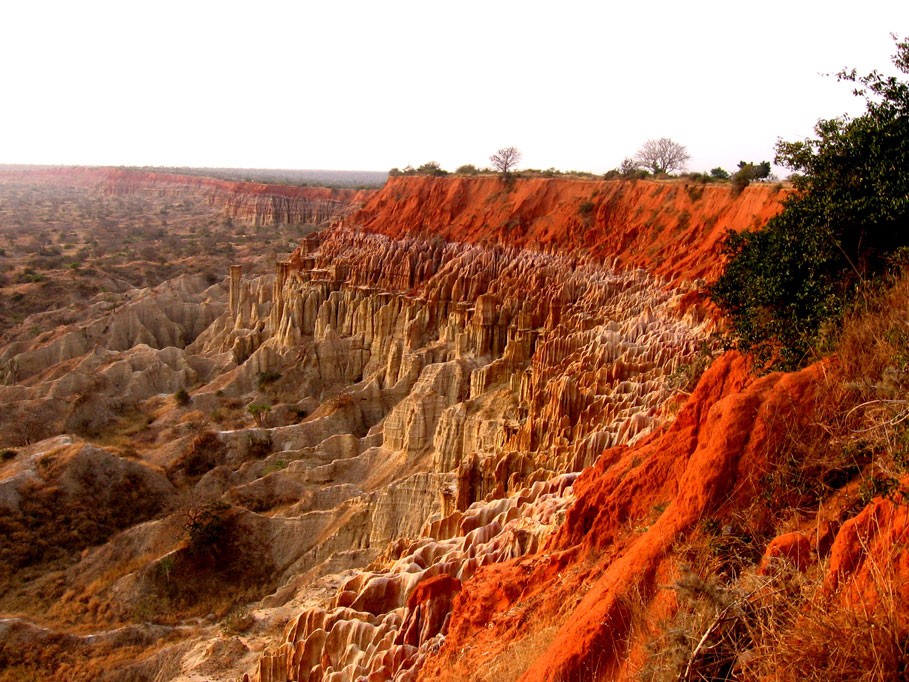
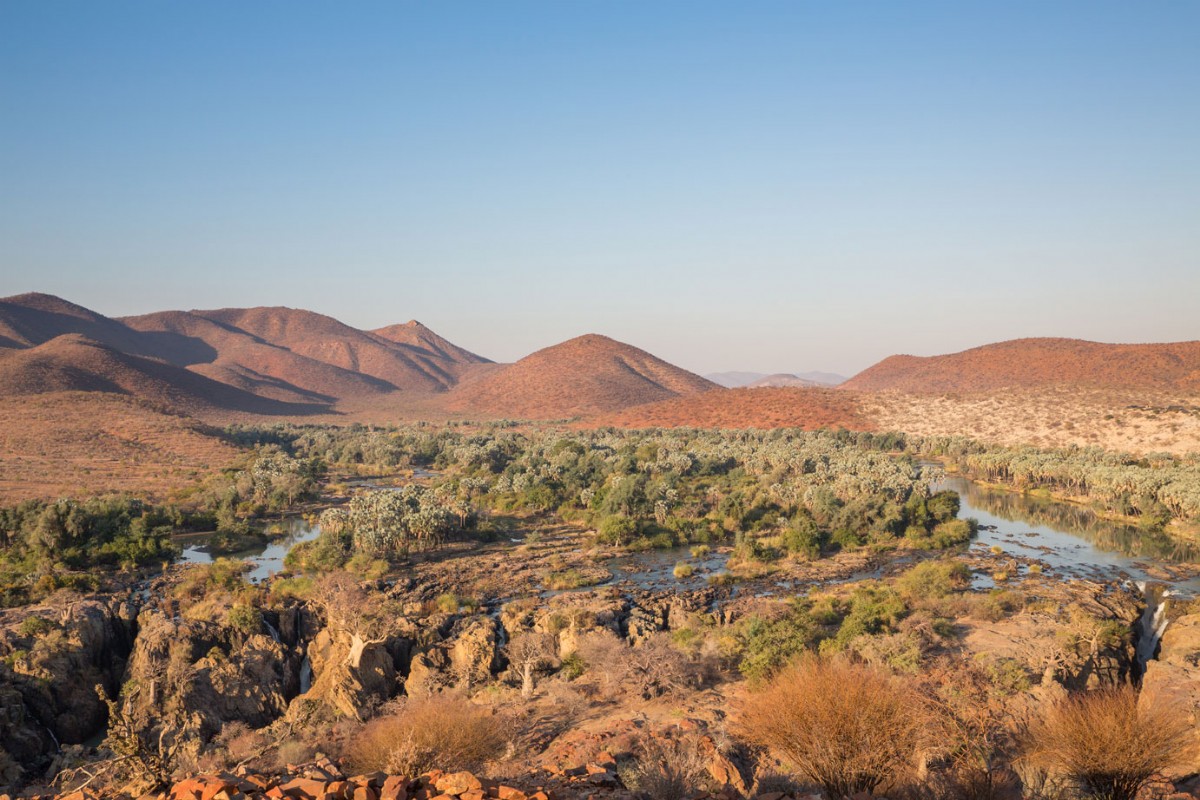
Decades of civil war have left Angola one of the poorest nations on Earth. In the west, the Atlantic coast is bordered by a narrow strip of lowlands. Inland, the land rises steeply to the mountains of the Bié Plateau (Planalto do Bié), where some peaks soar to heights of over 2500 metres (8200 ft). Much of the rest of Angola is high plain. Scrublands cover the north of the country, while further south, the land merges into the arid Kalahari Desert. Angola's territories include tiny, oil-rich Cabinda to the north, separated from the rest of Angola by the mouth of the River Congo. Lying just south of the Equator, Angola has a tropical climate. Ocean currents keep the coastal plains cool and dry, while the north is hot and humid nearly all year round. The south is drier, with a rainy season between October and May.

People
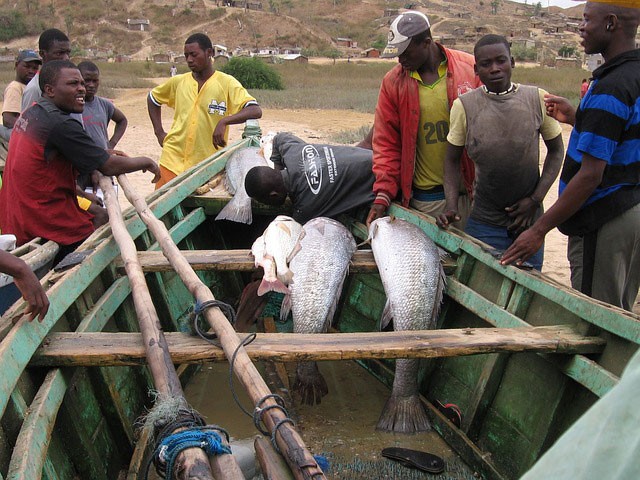
Nearly all Angola’s people are Bantu, whose Central African ancestors arrived in the region about 1500 years ago. Most people live along the coast, where the climate is cooler, and in the humid north. In cities, people speak Portuguese, but in the countryside Bantu languages such as Umbundu, Kimbundu and Kikongo are more commonly spoken.
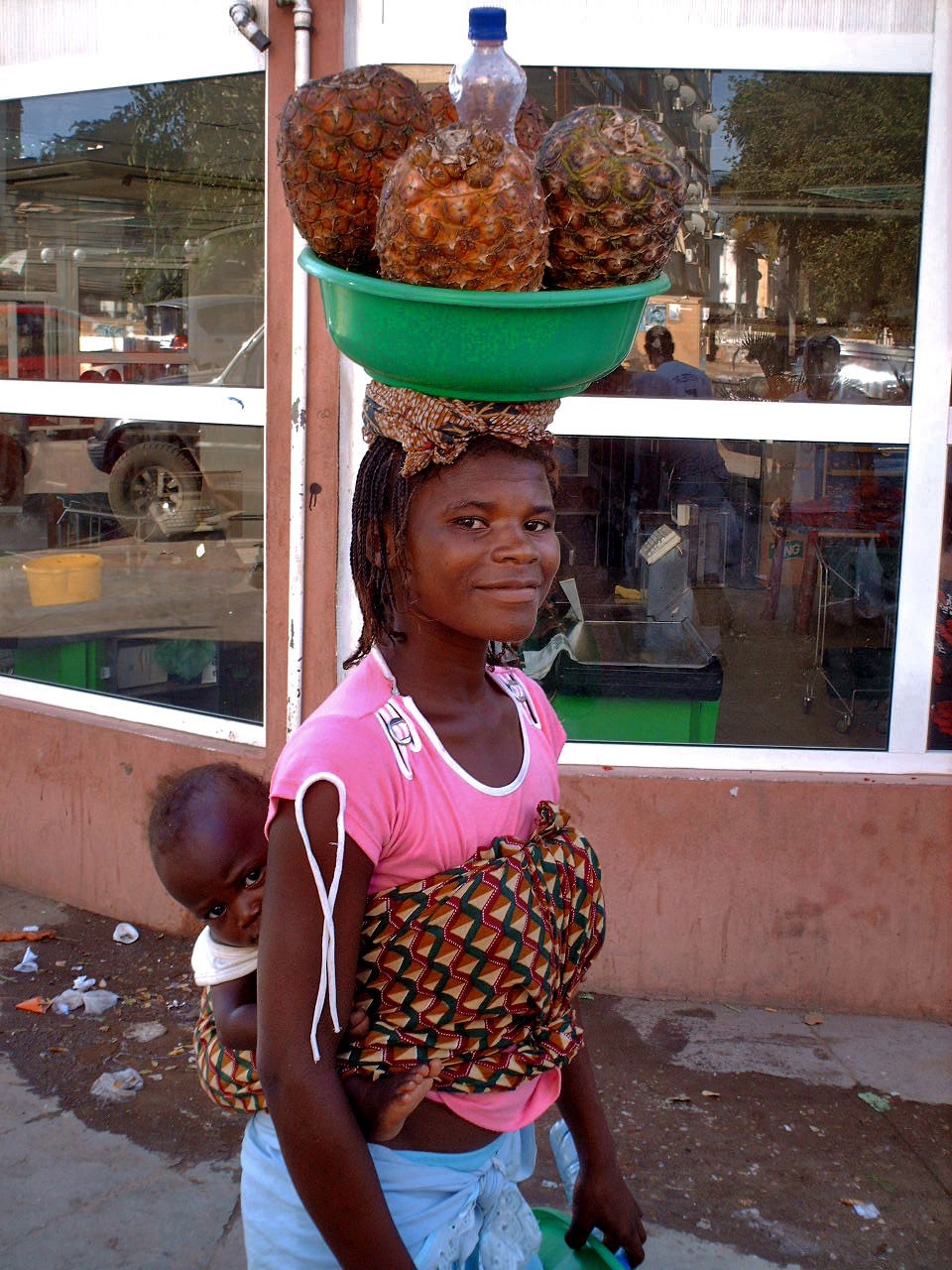
Few houses in rural areas have running water and electricity. People here live traditional lifestyles, farming and keeping animals. In the capital, Luanda, millions of people live in shantytowns, known as musseques, around the edge of the city.
Angola is still recovering from the Civil War that broke out in 1975 and ended in 2002. During that time, more than one million Angolans had to leave their homes and 500,000 were killed in the fighting. A shortage of teachers and school supplies means that many children do not get a good education, and less than 50% of the population can read and write. Huge social inequality exists despite the recent dramatic economic growth—mostly between town- and country-dwellers.
Economy
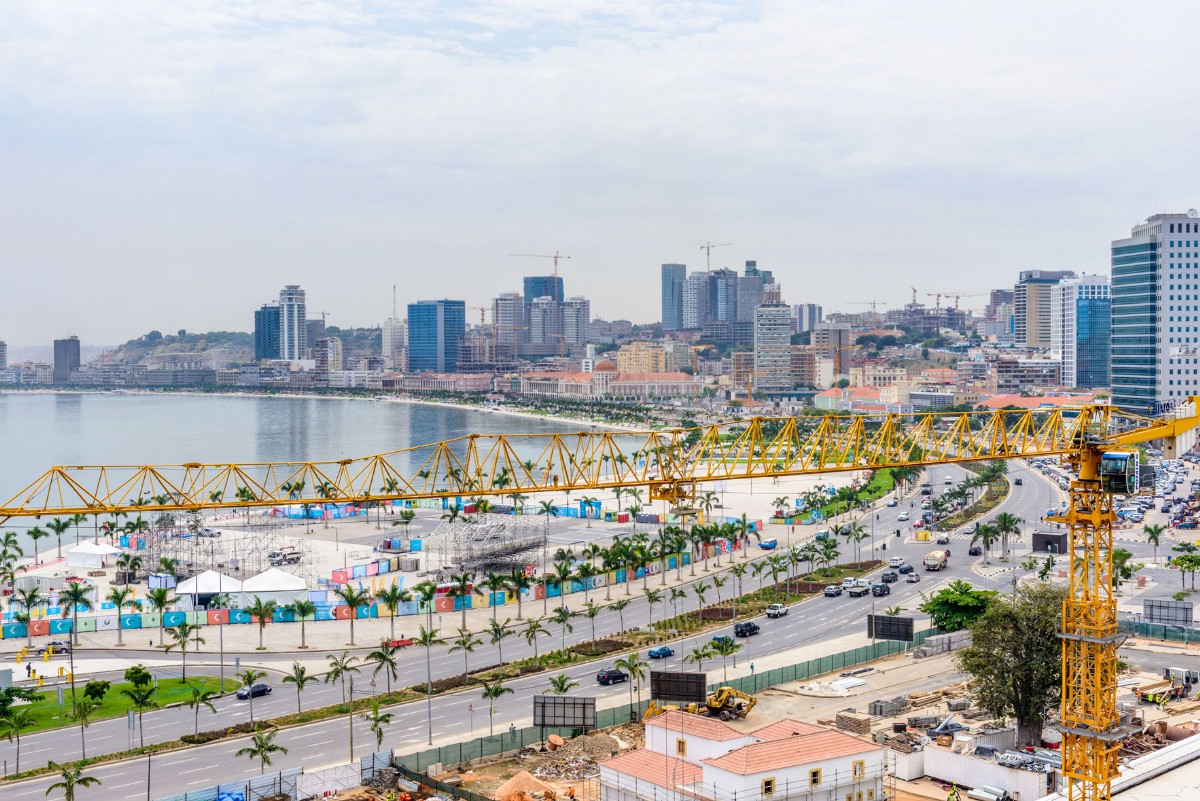
The Civil War devastated Angola’s economy. The country has huge reserves of minerals, including oil and diamonds, but the war slowed development. Since 2002, as a result of the arrival of entrepreneurs (business creators) from Portugal and massive investment from China, Angola now has the fastest growing economy in Africa and one of the fastest in the world. China is Angola's biggest trading partner, buying Angola's diamonds and oil and exporting to the machinery and electrical goods the country needs to modernize its industries.
Nearly all Angola's oil comes from the province of Cabinda, a part of the country surrounded by the Democratic Republic of the Congo. Since independence, some groups in Cabinda have campaigned for the province to become a separate country.

Farming
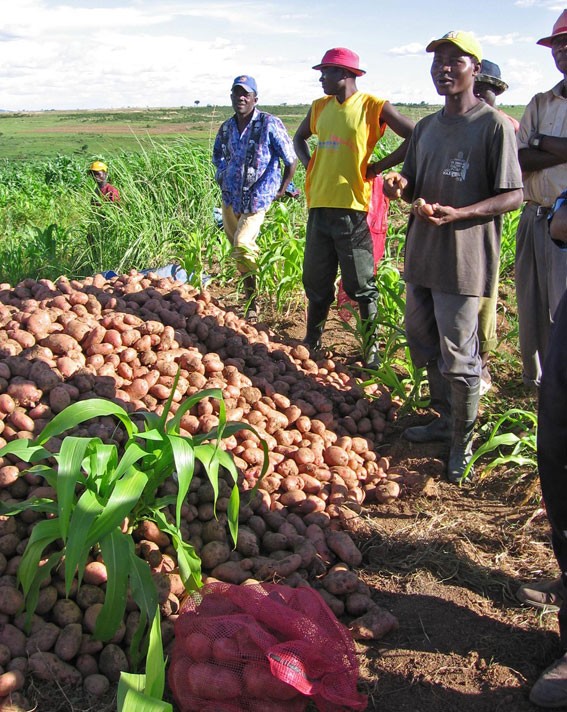
Angola was once a major exporter of bananas, coffee and sisal, a fibre used to make rope. But large areas of countryside were destroyed in the war and even today, many fields remain dotted with unexploded landmines. Although most Angolans work as farmers, growing cassava and corn for their families, they cannot grow as much food as they need, and extra supplies have to be imported from South Africa and Portugal. Hundreds of thousands of people still face food shortages.
Consultant: Nicholas Harris
Facts about Angola
Population 37,290,193 (2023 estimate)
Area 1,246,700 sq km
Highest point Morro de Môco 2620 m (8596 ft)
Capital Luanda (metro area population 9,079,811)
Other major cities Huambo (pop. 1,896,147), Lubango (915,000), Cabinda (739,000), Benguela (692,000)
Languages Portuguese, Bantu languages
Religions indigenous beliefs 47%, Christian (Roman Catholic) 38%, Christian (Protestant) 15%
Ethnicity Ovimbundu 37%, Kimbundu 25%, Bakongo 13%, others 25% Currency Angolan kwanza (AOA)
Currency Angolan kwanza (AOA)
Chief exports crude oil, diamonds, coffee, sisal (a fibre used to make rope), fish, timber, cotton

History of Angola
3000 BC
A hunter-gatherer people called the San live in the region
500
Bantu peoples from Central Africa arrive in the region, bringing new farming techniques, metalworking, cattle and sheep
13th century
A large Bantu state, the Kingdom of Kongo, is founded in the north and grows wealthy from trading and mining
1483
First Portuguese settlers arrive in the region
1575
Portuguese begin building forts, trading posts and settlements; the first is built at Luanda. A large part of the trade is with Brazil.
1580–1680
More than one million Angolans are sold into the Atlantic slave trade by Portuguese slave dealers
1836
Portuguese government officially abolishes the slave trade
1850
Luanda is one of the Portuguese Empire’s largest cities, exporting palm oil, ivory, cotton, coffee and cocoa
1885
Portuguese rule is made official at the Berlin Conference, and the colony’s borders are fixed
1900–17
Portuguese rulers of Angola fight against the Mbunda people for control of their land. They resist, but Mbundaland is later absorbed into Angola
1951
Angola becomes an “overseas province” of Portugal
1950s
Resistance groups calling for independence are set up, such as the People’s Movement for the Liberation of Angola (MPLA)
1961
Coffee plantation workers riot; 50,000 are killed. Forced labour is made illegal
1961–74
Colonial War fought between Portuguese troops and nationalist resistance groups
1975
Revolution at home in Portugal causes its colonial empire to collapse. Angola becomes independent, with power shared between the three main political groups
1975–2002
Angolan Civil War: the three main political groups (MPLA, FNLA and UNITA) fight for control of the country; the country is split into zones each controlled by one of the rival groups.
1976
MPLA gains control of the country’s government but fighting continues
1999
United Nations peacekeeping mission pulls out of Angola
2002
Jonas Savimbi, the leader of UNITA, is killed in the fighting and UNITA sign a ceasefire with the MPLA government
2004
300,000 illegal diamond traders and miners are expelled from Angola
2008
First parliamentary elections in 16 years are held
2014
First census (population count) since 1970: the population is just over 24 million
2016
Severe drought causes food crisis in several provinces
pics
Without in any way limiting Q-files Ltd’s exclusive rights under copyright, any use of this publication to “train” generative artificial intelligence (AI) technologies to generate text is expressly prohibited. Q-files Ltd reserves all rights to license use of this work for generative AI training and development of machine learning language models.