
Africa
Eritrea
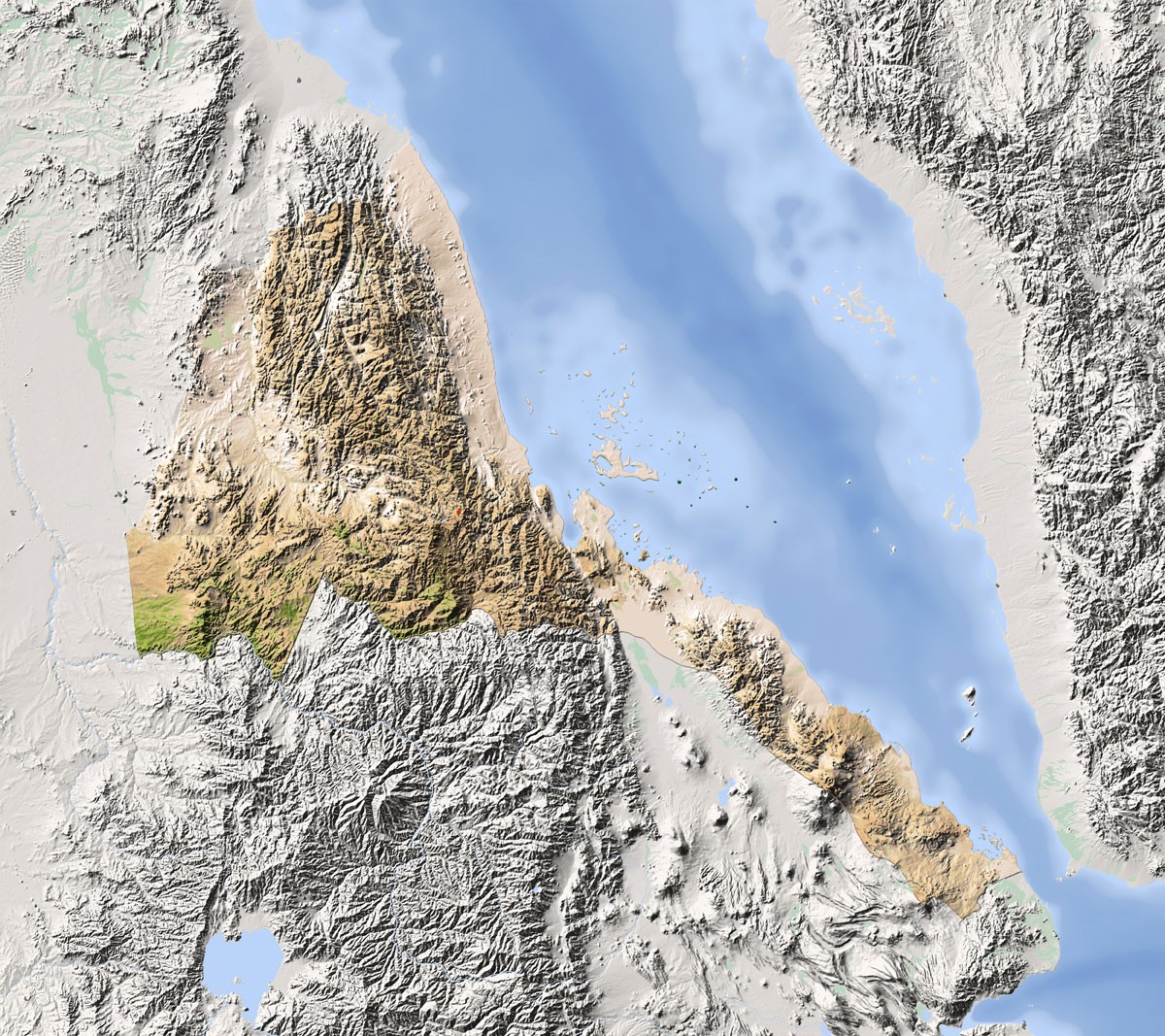
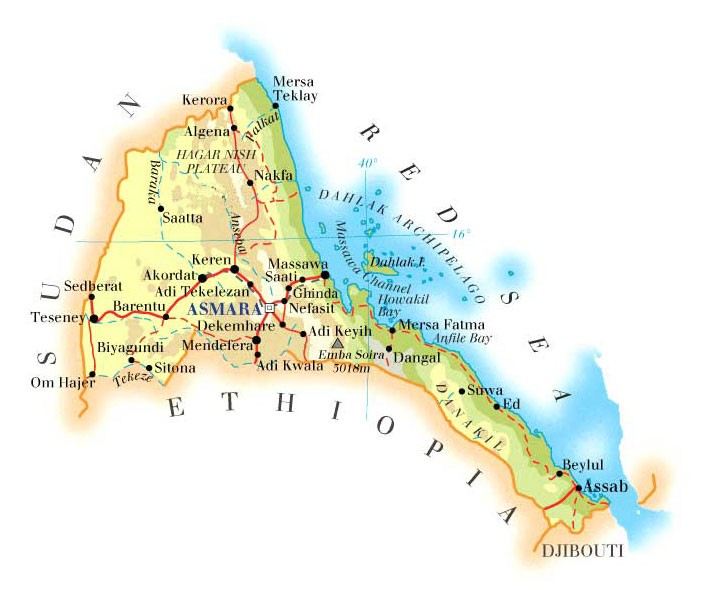
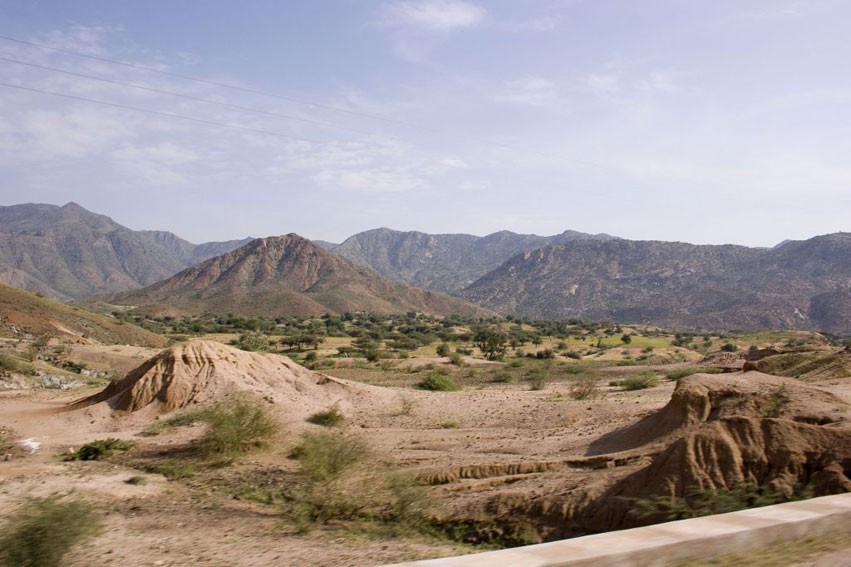
Eritrea is one of Africa’s youngest countries: it became independent from Ethiopia in 1993 after a 30-year-long civil war. Today, relations between the two countries are still tense. Much of central Eritrea is made up by the Eritrean Highlands, which stretch northwards to the Sudanese border. High in these mountains, the climate is cool and temperate. Some of their slopes are covered by forests; others are used for farming. To the west, the land slopes down to flat, dry grasslands, while in the east, lowlands runs alongside the Red Sea. This hot coastal region is covered by sand or gravel; in the southeast, the land is so arid it is regarded as desert. Offshore, lie a group of 126 tiny islands called the Dahlak Archipelago. Since Roman times, they have been famous for pearls.
People
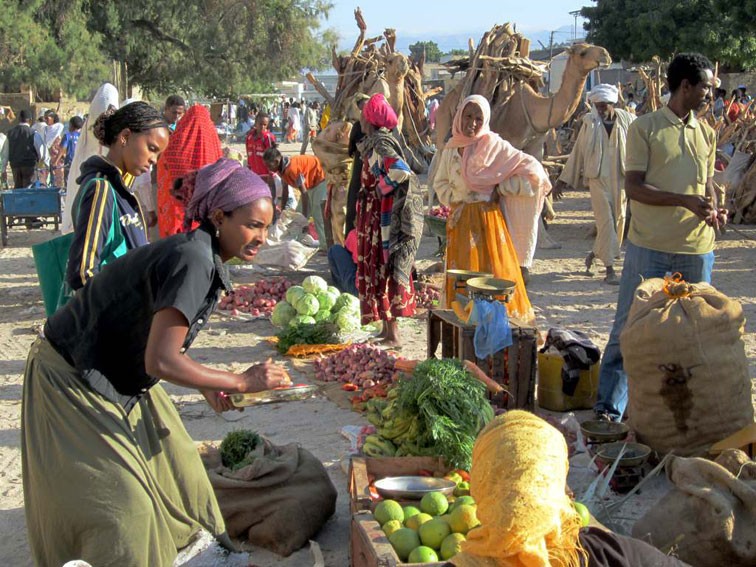
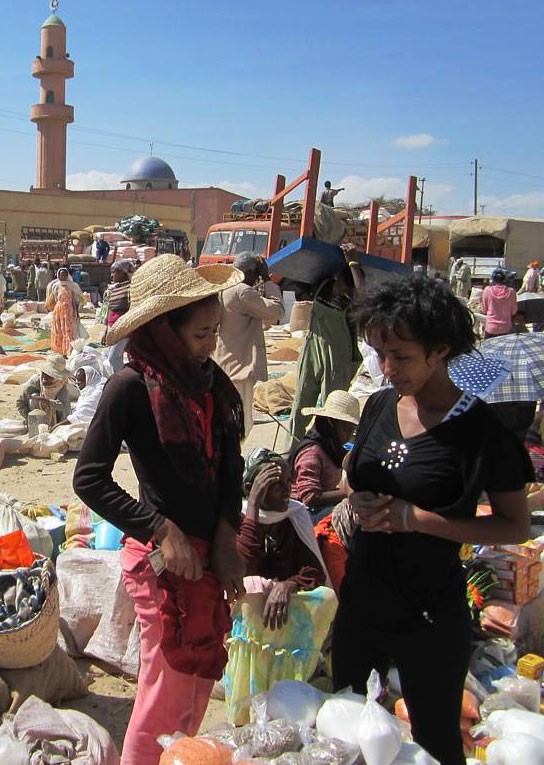
Most Eritreans belong to one of two large ethnic groups, the Tigre and Tigrinya. Together, they make up over three-quarters of the population; their ancestors were some of the earliest people to live in the region. There are seven other ethnic groups, including the Saho and Kunama. Although they each have their own language, nearly all Eritreans speak and understand Tigrinya.
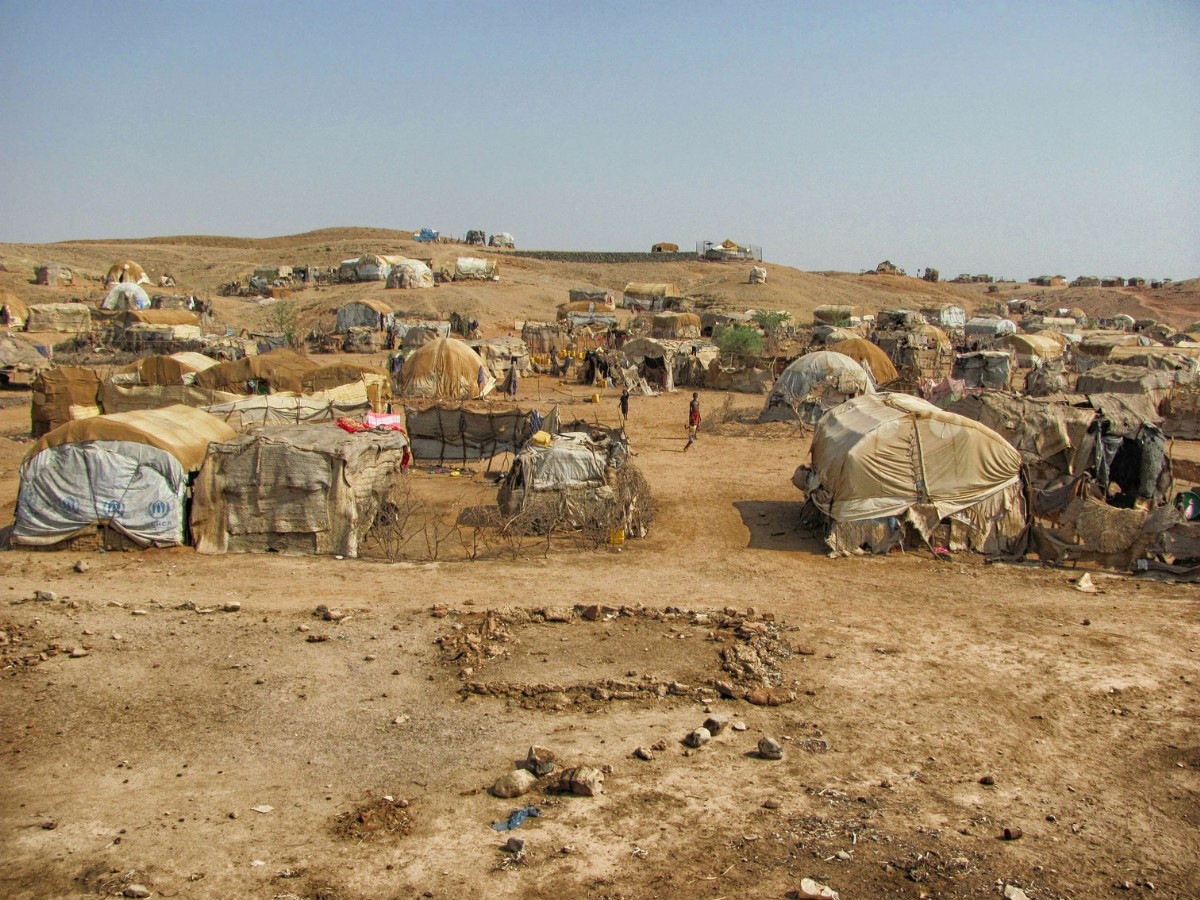
Everyday life is a challenge for many Eritreans. Electricity, education and healthcare are in short supply. Acording to United Nations reports, the Eritrean government has been responsible for serious human rights abuses, including imprisoning its own citizens without charge, and forcing many of them into military service. As a result, thousands of Eritreans leave the country every month as refugees, seeking a better life abroad.
Aftermath of war
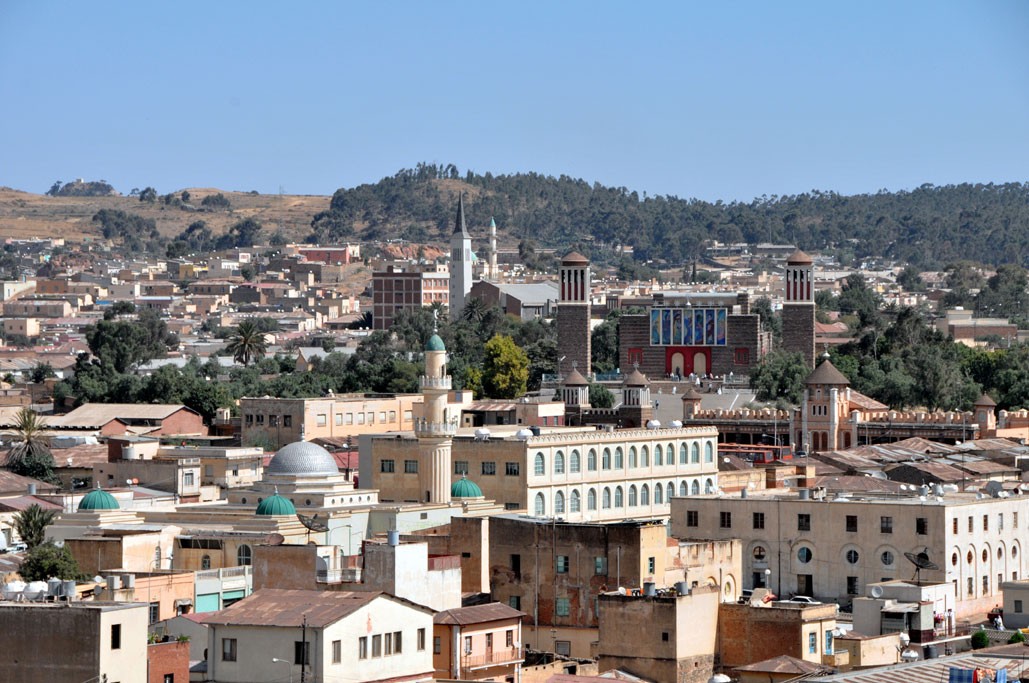
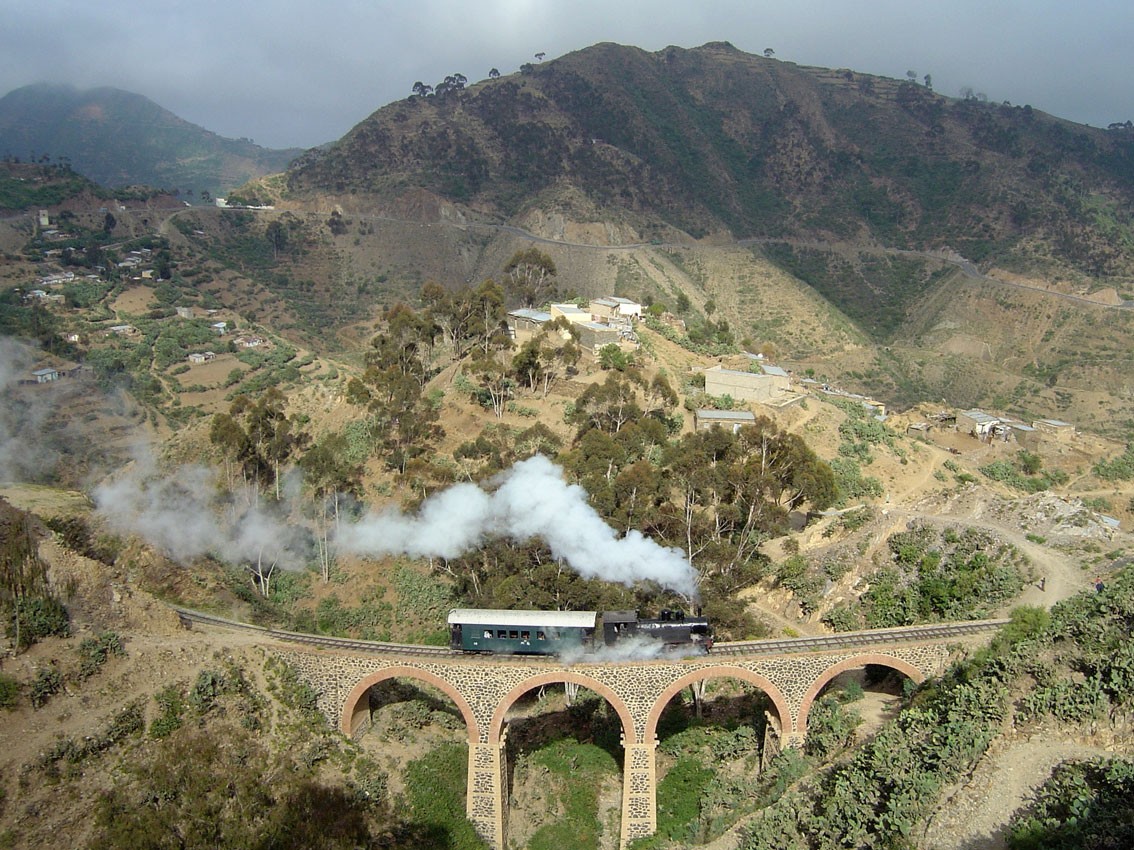
Many years of civil war have left Eritrea an extremely poor country. Its economy was badly damaged: the war destroyed roads and ports, making it difficult to export products to sell abroad. Today, they are being rebuilt, and new industries are developing. Eritrea has large reserves of gold, silver and copper.
Farming
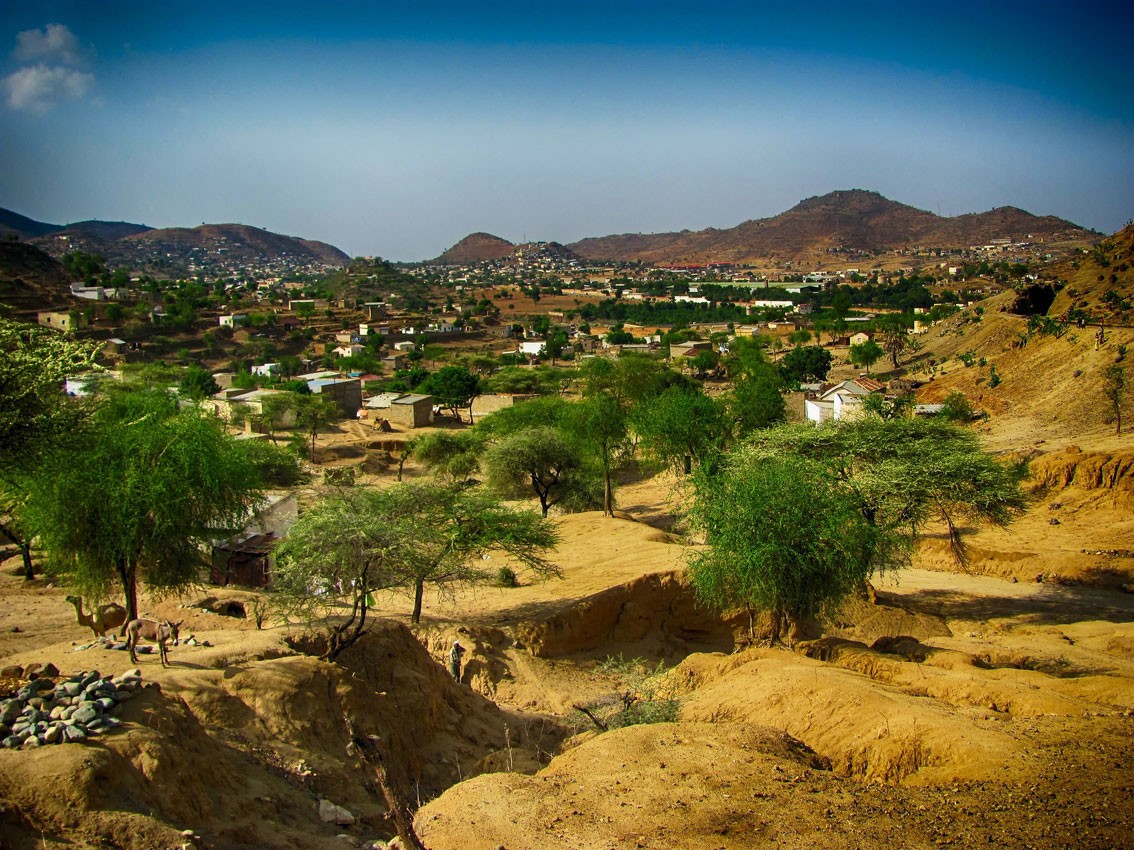
Most Eritreans rely on farming to make a living, growing corn, vegetables and lentils and keeping goats. However, this part of Africa occasionally suffers from severe droughts; if rainfall is too low, crops fail and thousands of people face food shortages. As a result, Eritrea has to import a lot of its food, but it is seldom enough to feed everyone.

Consultant: Nicholas Harris
Facts about Eritrea
Population 3,576,081 (2025 estimate)
Area 101,000 sq km
Highest point Emba Soira 3018 m (9902 ft)
Capital Asmara, population 1,073,000
Other major cities Keren (pop. 120,000), Dekemhare (120,000)
Language Tigrinya
Religions Christian 50%, Islam 48%, others 2%
Ethnicity Tigrinya 55%, Tigre 30%, Saho 4%, Kunama 2%, others 9%
Currency Eritrean nakfa (ERN)
Chief exports livestock, sorghum, textiles
History of Eritrea
8th–5th centuries BC
Kingdom of D’mt rules Eritrea and northern Ethiopia
300–600
Eritrea and northern Ethiopia are part of a powerful trading empire, the Kingdom of Aksum
7th century
Arabs arrive on the coast, introducing their religion, Islam, to coastal regions
15th century
The region becomes known as Medri Bahri
1517
Ottomans conquer Medri Bahri
1734
Sultans of the Mudaito Dynasty rule eastern Eritrea
1890
Italy claims the region as a colony: Italian Eritrea
1920s–30s
Italians set up hundreds of factories in Eritrea, producing oil, tobacco, pasta and household goods
1936
Italian Eritrea is merged with Italian Somaliland (now part of Somalia) and Ethiopia to form Italian East Africa. Eritrea is its industrial centre
1941
During World War II, Britain invades and occupies Eritrea, closing down many of its industries
1949
Britain rules Eritrea on behalf of the United Nations (UN)
1952
The UN makes Eritrea a self-governing province of Ethiopia
1958
The Eritrean Liberation Movement (ELF) is formed by a faction of Eritreans calling for independence
1962
Ethiopia dissolves Eritrea’s parliament and makes it an Ethiopian province. Eritrean War for Independence begins, led by the ELF
1970
A new group, the Eritrean People’s Liberation Front (ELPF), splits away from the ELF
1974
Ethiopia’s Emperor Haile Selassie is overthrown in a military coup
1977–78
Soviet and Cuban troops help the Ethiopian government fight against Eritrean forces
1991
ELPF captures the Eritrean capital Asmara and forms a temporary government. The UN calls for a vote on Eritrean independence
1993
Eritreans vote for independence and the country becomes independent from Ethiopia
1998–2000
70,000 people are killed when violence at the Eritrea-Ethiopia border sparks a civil war
2000
Both countries sign a peace deal and agree to pull their troops out of the border zone
2005
40,000 Eritreans are affected by food shortages, caused by severe droughts
2007
An international agreement draws a new border between Eritrea and Ethiopia but Ethiopia rejects it
2011
Worst drought in 50 years hits northeastern Africa
2017
Asmara is listed as a UNESCO World Heritage Site for the architecture of its buildings constructed during the period of Italian colonial rule
2018
Eritrea and Ethiopia officially declare an end to their 20-year conflict