
Africa
Sudan
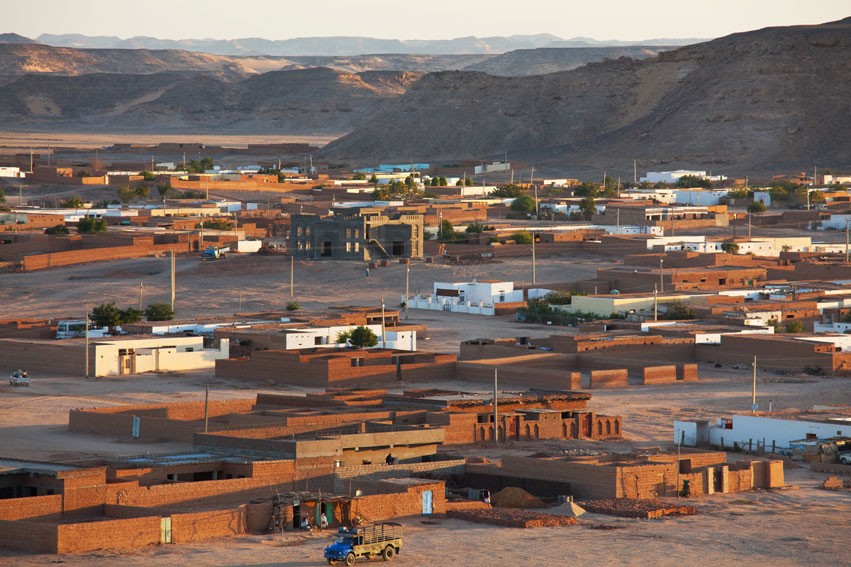
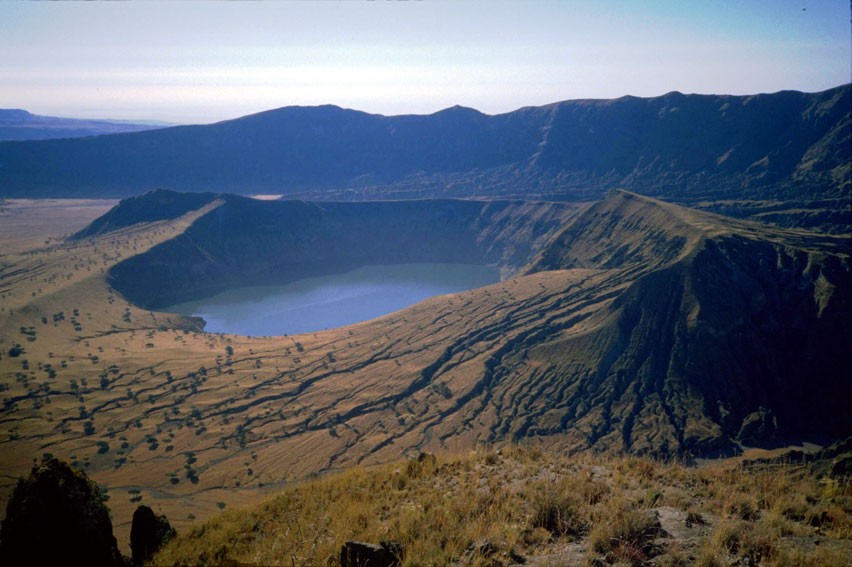
Sudan’s northern region, part of the Sahara Desert, is flat, hot and arid. It includes the gravels and sands of the Libyan Desert as well as the rugged, rocky Nubian Desert. A belt of dry grassland, part of the Sahel region of Africa, stretches across the middle of Sudan. Here, the land rises to the Nuba Mountains and the rocky, volcanic Marrah range in the west. The far south is a mixture of savanna, swamp and rainforest. Sudan has a hot, tropical climate with two seasons: rainy and dry. The Blue Nile meets the White Nile at Khartoum, the capital of Sudan, flowing northwards into Egypt as the mighty Nile. These huge rivers are lifelines for Sudan’s people, providing water for farming, drinking and fishing.
Updated 30th September 2025


People
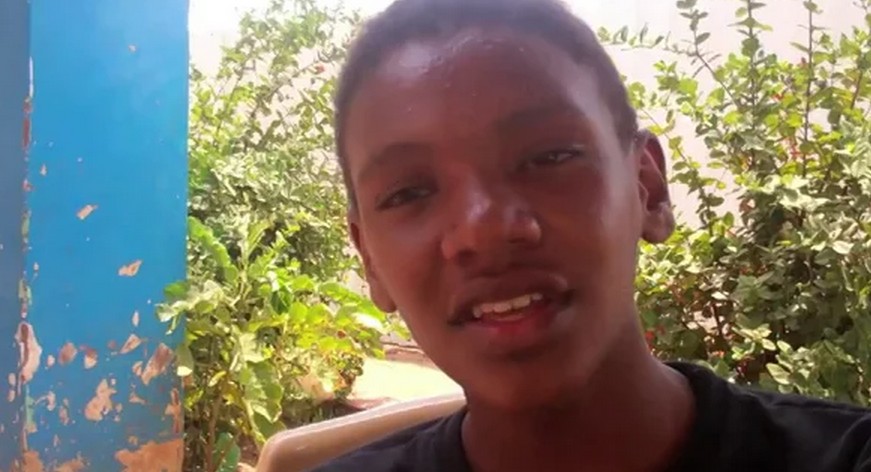
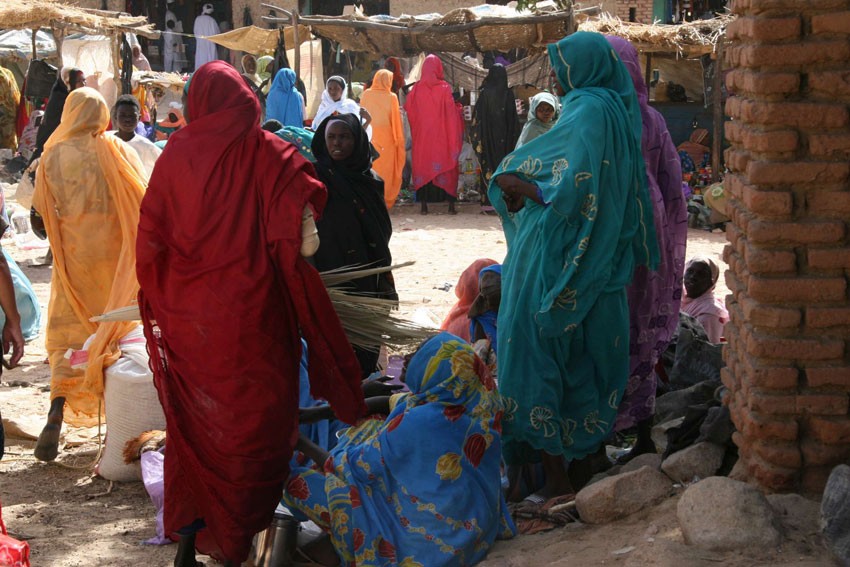
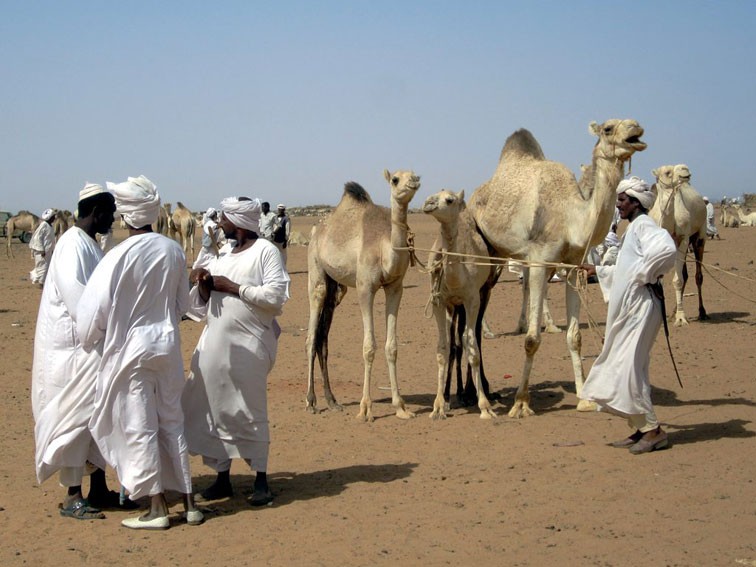
More than 500 different peoples live in Sudan, speaking more than 100 languages. People of the north are mainly Arabs, while those in the south and west are generally of mixed Arab and African descent. Nearly everyone is Muslim. Some tribes, such as the Dinka in the north, are nomadic farmers, herding cattle from place to place in the northern deserts. Most Sudanese people live along the banks of the Nile rivers, or in the capital Khartoum.
Refugees
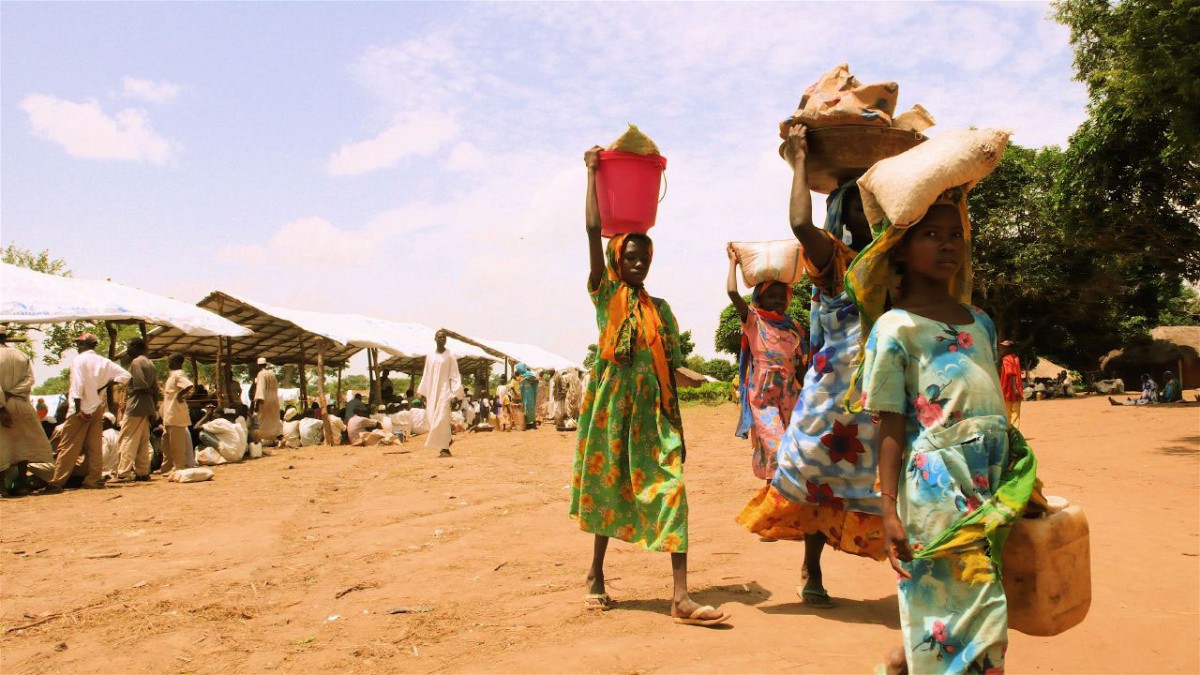
Decades of civil war and the war in the Darfur region—a conflict between rebel non-Arab groups and the Sudanese government—have left Sudan an extremely poor country: today it is one of the poorest in the world. Many people fled violence in the south as refugees and live in temporary shelters and shantytowns on the edge of Khartoum. International aid organizations have been working in Sudan to help them.
Economy
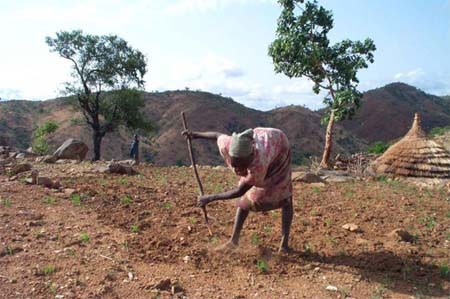
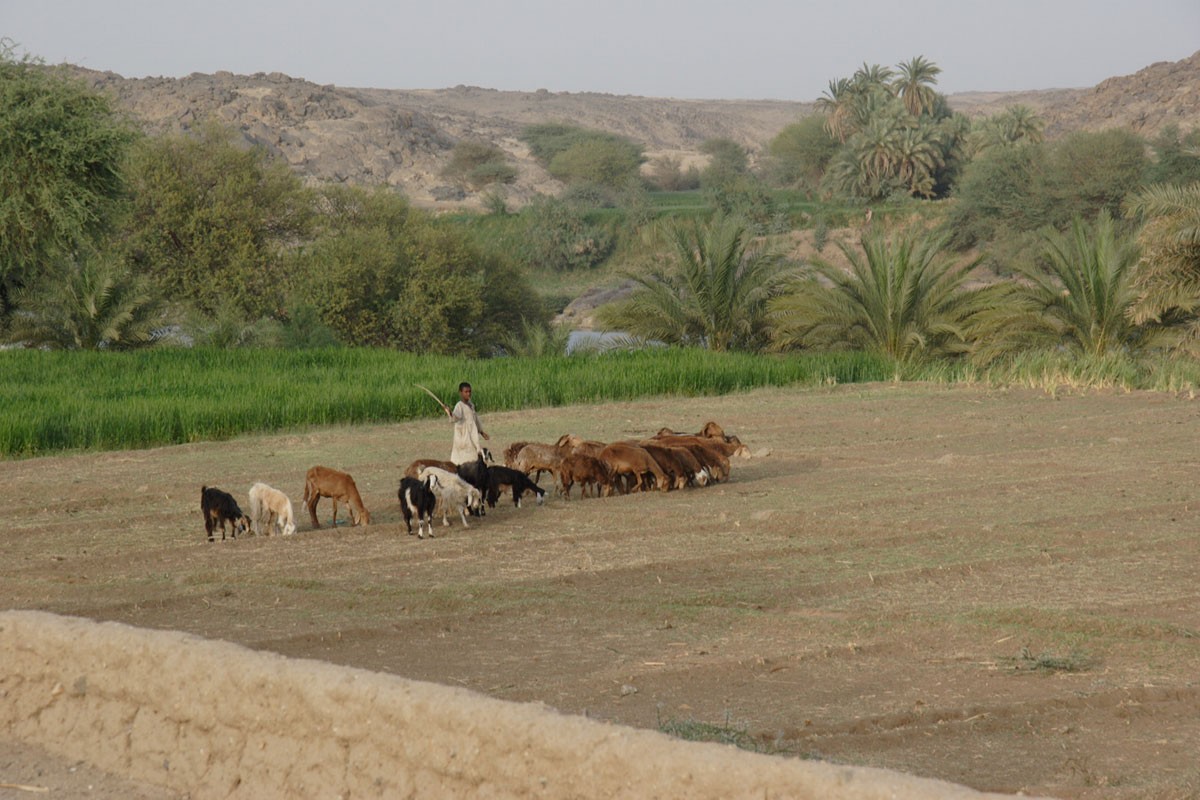
For thirty years, Sudan’s economy was based on its growing oil industry in the south. When the southern part became independent South Sudan in 2011, Sudan lost its main oil reserves. Today, farming is its most important industry: nearly 80% of Sudan’s workforce are farmers. Most farming takes place along the banks of the River Nile, where most of the country’s people live. They grow staple crops such as millet and cassava for their families and keep chickens or goats.
The government has set up an irrigation system to help pump more water to the land and create more usable fields; this means farmers can grow more cash crops, such as cotton, sugar cane and peanuts, for export. Another major cash crop is gum arabic, made from the sap of the acacia tree. It is used to make glues and in fizzy drinks (to stop all the sugar crystallizing at the bottom of the bottle).

Khartoum
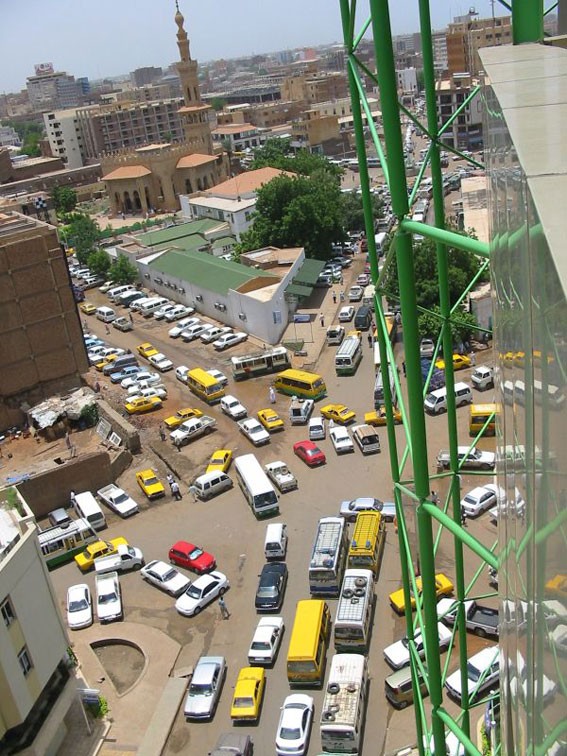
The Blue and White Nile rivers meet at Khartoum, dividing the city into three parts: the old city of Khartoum, built by British settlers, Omdurman, the commercial centre, and the industrial centre, Khartoum North. The three parts are connected by bridges. For decades, the city was home to nearly 2 million refugees from the south, but since the Civil War ended in 2011, many of them are returning home. Khartoum is the centre of fashion and culture—new trends in clothing and henna (skin painting) designs usually start here. Khartoum is also one of the world's hottest cities: average temperatures seldom dip below 30°C (86°F).
War returned to the streets of Khartoum in April 2023 with the outbreak of conflict between forces of the Sudanese government (SAF) and the rebel Rapid Support Forces (RSF). The RSF was in control of most of downtown Khartoum until SAF forces retook it in March 2025. The country's president, General Abdel Fattah al-Burhan, relocated to Port Sudan on the Red Sea coast. Amid mass looting, more than half the capital's population fled, while much of old Khartoum, including its historic buildings, was demolished.
Consultant: Nicholas Harris
Facts about Sudan
Population 50,467,278 (2024 estimate)
Area 1,861,484 sq km
Highest point Jabal Marrah 3071 m (10,075 ft)
Capital Khartoum, metro area population 6,542,000
Other major cities Omdurman (pop. 1.2 million), Nyala (1,100,000), Port Sudan (531,000), Wad Madani (415,969)
Languages Arabic, English
Religions Sunni Muslim 97%, Christian and others 3%
Ethnicity Sudanese Arab 70%, Fur, Beja, Nuba, Fallata
Currency Sudanese pound (SDG)
Chief exports gold, oil, cotton, sesame seeds, livestock, groundnuts (peanuts), gum arabic, sugar
History of Sudan
8000 BC
Neolithic peoples build mud-brick settlements in the region
c. 3300 BC
Kingdom of Nubia is founded in the north
c. 2040–1640 BC
Middle Kingdom Egypt expands into Nubia
c. 1550–1077 BC
Nubia ruled by New Kingdom Egypt
1070 BC–350 AD
Kingdom of Kush
800 BC
King Kashta leads a Sudanese invasion into Egypt; Kushite kings rule as pharaohs in Egypt
6th century AD
Around 50 states exist in Nubia, including the large kingdoms of Nobatia, Alodia and Makuria
540
Christian missionaries arrive in the north
7th century
Arabs begin to introduce Islam to Nubia but Christian kingdoms resist them. They sign a “baqt”, or treaty, with the Arabs, agreeing that both sides will keep to their own land
8th century
Arab miners begin to work in the region, mining gold and emeralds
14th century
Christian kingdoms of Makuria and Alodia collapse
16th century
The leader of the Funj tribe moves north and unites Nubia’s kingdoms as the Kingdom of Sennar. Its leaders convert to Islam and it soon becomes the kingdom’s religion
1820
Ottoman Turks from Egypt conquer the northern part of the country. Sudan is an important route for merchants trading slaves and gold
1881
Muhammad Ahmad leads the tribes of western and central Sudan in a revolt against their Ottoman leaders
1896
General Herbert Kitchener leads the British forces against the Mahdists in 1896. His campaigns culminate in a decisive victory in the Battle of Omdurman in 1898.
1899
Anglo-Egyptian Sudan: sovereignty and administration is shared between Egypt and Britain, but in practice British has full control over Sudan
1885
Egypt's possession of Sudan falls to rebel Mahdist forces led by Muhammad Ahmad, who defeats an Egyptian garrison at the Siege of Khartoum. General George Gordon, ther British Governor-General of Sudan, who attempts to defend the city, is killed in the fighting.
1956
Sudan becomes independent
1958
The government is overthrown in a military coup led by General Ibrahim Abboud
1964
The military resign from power after a series of strikes and protests (The “October Revolution”) over their rule
1962
Civil war breaks out in the south
1978
Oil is discovered in southern Sudan
1983
Civil war breaks out in the south between the government and the Sudan People’s Liberation Movement (SPLM). President Numeiri introduces a system of Sharia Islamic law
1989
Military coup led by the National Salvation Revolution under Omar al-Bashir, an officer in the Sudanese Armed Forces (SAF), takes over the government. Bashir's rule is supported by the National Islamic Front.
1999
Following unrest in parliament, President Bashir dissolves the National Assembly and declares a state of emergency
2003
War erupts in the western region of Darfur, between African farming peoples and nomadic Arabs. Bashir's government brutally suppresses the African rebels by employing an Arab militia (private army) called the Janjaweed, led by Mohamed Hamdan Dagalo, known as Hemedti (“Little Mohammed”).
2004
As government troops move into Darfur, hundreds of thousands flee to Chad as refugees
2006
Government signs a ceasefire with the rebels but fighting continues
2011 (January)
People of the (mainly Christian) south vote for independence from the mainly Islam north and form a new country, South Sudan (independent in July). As a result, 75% of Sudan's oil wealth is lost to South Sudan.
2011 (July)
Armed conflict breaks out in southern states between forces of the government led by President Bashir and the Sudan Revolutionary Front, an alliance of Sudan People's Liberation Movement-North (SPLM-N) and the Darfuri rebels
2012
Hundreds of thousands of people flee fighting between the army and rebels in southern states
2013
The Janjaweed is given official status as the Rapid Support Forces (RSF) under the command of Hemedti. He is later (2017) granted control of gold mines in Darfur.
2019
Following months of continuous protests in Khartoum and other cities against the economic situation and the military’s political domination, Bashir is arrested and forced from power in a military coup (April). Bashir's government is dissolved and a military council assumes control of Sudan's government. In June, the RSF massacres over 100 democracy protesters on the streets of Khartoum.
2021
(October) General Abdel Fattah al-Burhan leads an army coup and becomes Sudan's ruler
2023 (April)
Armed conflict between rival factions of the military government breaks out in Khartoum, in western Sudan and in the Darfur region. Attacks by the paramilitary Rapid Support Forces (RSF) under Hemedti are launched on positions held by Sudanese Armed Forces (SAF) commanded by Burhan.
2023 (May to November)
Massacres of the Masalit people, an African ethnic group living in West Darfur, are carried out by RSF troops in Misterei (May), Geneina (July), and Ardamata (November).
2023 (December)
War in Sudan: around 12,000 people have been killed and 33,000 others injured. Approximately 6.9 million have been displaced (forced to leave their homes), of whom more than 1.5 million have fled the country as refugees. The war has now spread as the RSF, already in control of Darfur region and Khartoum, advance southwards to take Wad Madani.
2024 (May)
Having made gains in central parts of Sudan (Kordofan, Khartoum and Gezira states), RSF launches offensive on Omdurman. The death toll has risen to more than 16,000 people. Aid agencies say 25 million people are in need of urgent assistance. Fears are growing that SAF and RSF may meet in all-out battle in El Fasher, a city in Darfur that shelters 1.5 million civilians
2024 (August)
UN declares famine in Zamzam refugee camp near El Fasher, where around 500,000 refugees fleeing from the fighting are encamped. UN estimates that 26 million people are facing acute hunger across Sudan.
2024 (September)
SAF launches a major offensive against RSF positions in Khartoum and captures three key bridges connecting Khartoum to other nearby cities, including Omdurman.
2024 (October–December)
SAF launches counter-offensives in the states of Sennar and Gezira. Public support for the SAF rises in response to RSF war crimes.
2025 (January)
SAF retakes Wad Madani, the capital of Gezira State
2025 (March)
SAF recaptures Khartoum from the RSF
2025 (April)
More than 2000 refugees are believed to have been massacred during an attack on the Zamzam camp by the RSF
2025 (July)
SAF and RSF forces clash in the oil-rich Kordofan region as SAF presses westwards towards Darfur, the RSF's heartland
2025
(August) A landslide destroys the village of Tarasin in the Marrah Mountains in Darfur, western Sudan, killing between 375 and 1500 people. The disaster follows a period of heavy rain.