
Africa
Benin
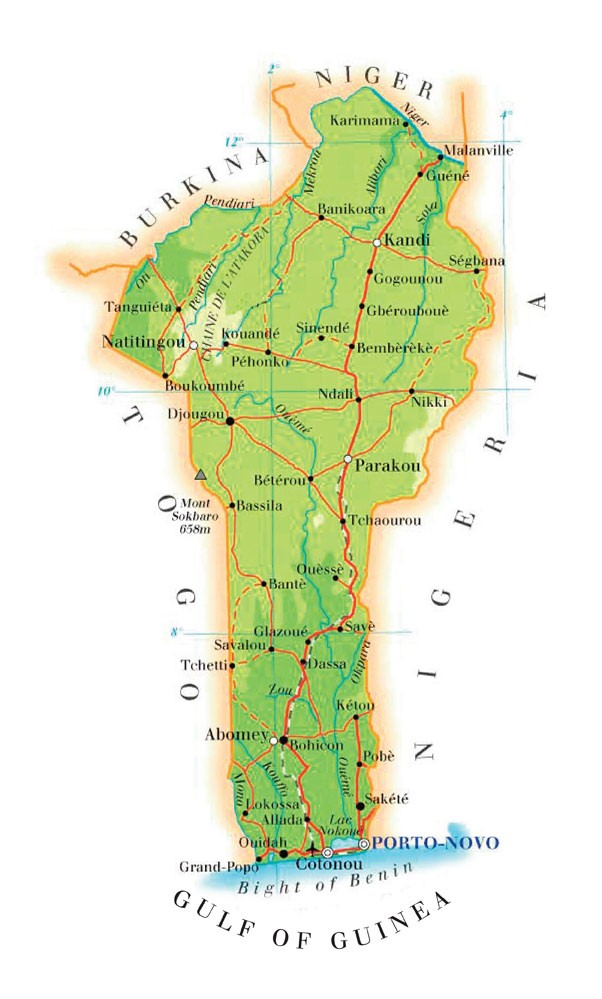
Benin is a long, thin country in West Africa that stretches inland and northwards from the Gulf of Guinea. The River Niger runs along part of its northern border. Much of the northern part of Benin is covered by savanna grassland. In the middle of the country the land rises to rocky uplands. The southern lowlands are a mixture of open savanna and lush, tropical rainforest. Benin's coastal areas feature sandy marshlands and mangrove swamps. The southern part of the country lies close to the Equator and has a tropical climate with hot, wet weather all year round. The north is hotter and drier, with distinct rainy and dry seasons.
People
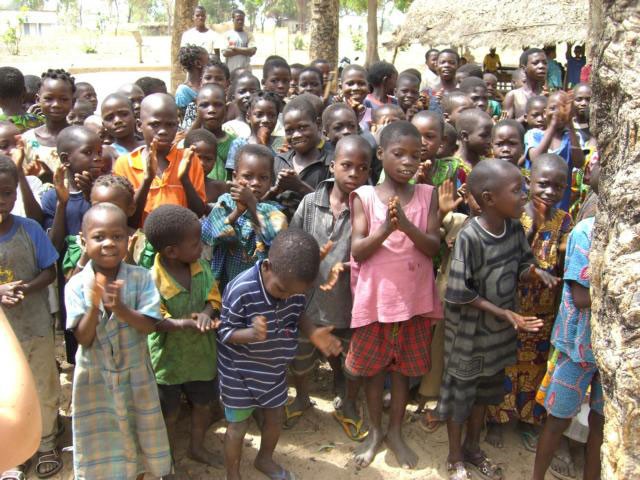
More than 40 different ethnic groups have settled in Benin throughout its history. The Bariba and Fula in the northeast arrived from Mali in the 16th century. The Yoruba people of the southeast spread westwards from Nigeria during the 12th century, while the Fon and Aja people in the southwest originally came from Togo. Benin was ruled by France between 1904 and 1960 and French is still the official language. Many people speak one or more local languages as well as learning French at school.
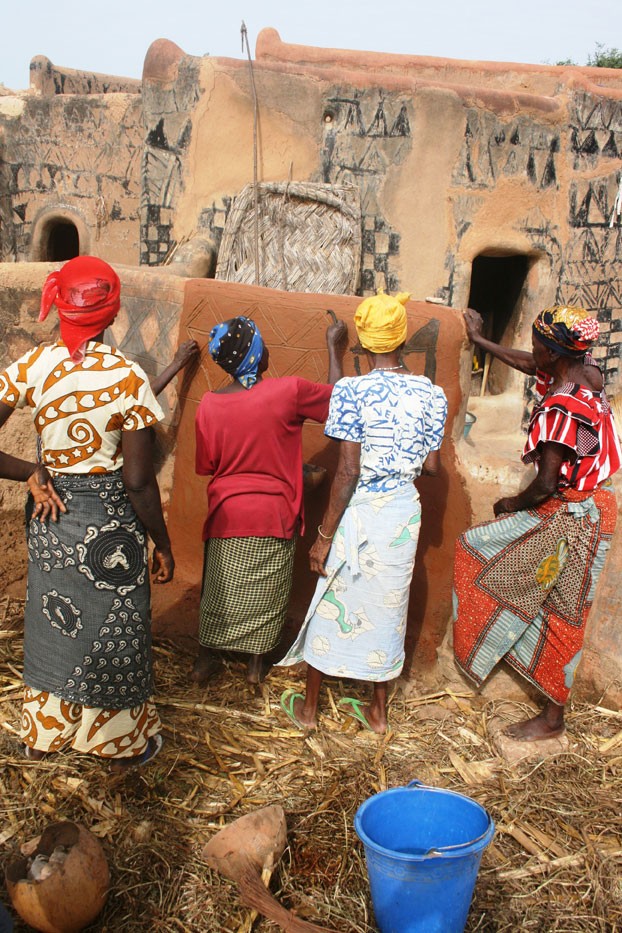
Most Beninese live on the southern coast, in the cities of Cotonou, Porto-Novo and the surrounding market towns. In the countryside, people live in traditional mud hut villages. Very few people in rural areas have electricity; they cook their meals over open fires or on outdoor stoves built from mud bricks.


Economy
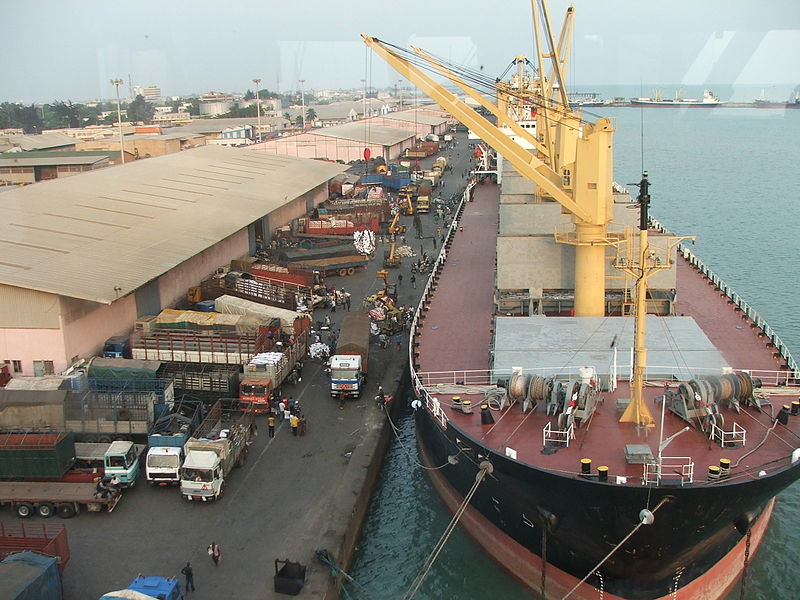
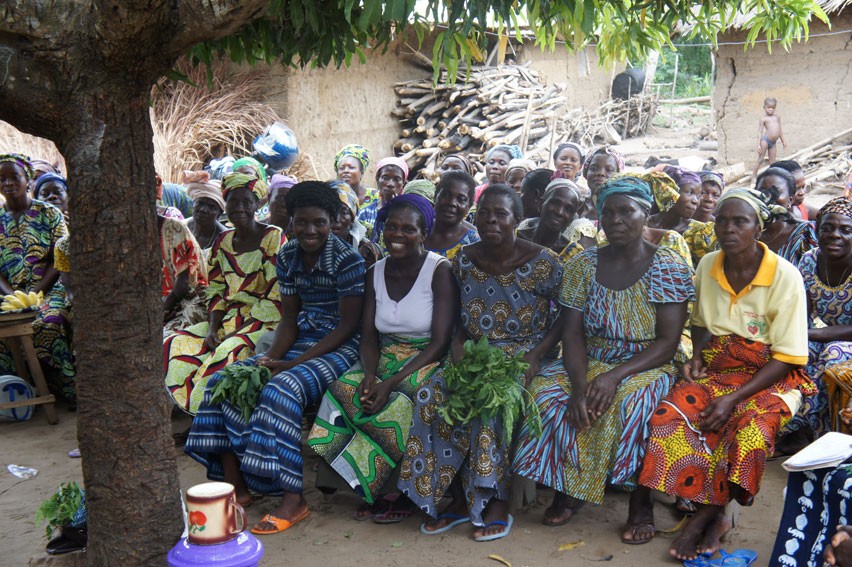
Benin’s economy is based on agriculture. Many Beninese people are subsistence farmers, growing maize, yams and cassava for their families. Conditions in the rainy south are perfect for growing pineapples, coconuts and cashewnuts; in the north, the main crop is cotton. Cotton makes up 40% of Benin’s exports: the country is one of Africa’s biggest cotton-producers. Many cotton-growers till the land (prepare it for sowing) by hand. In 2010, huge floods devastated the cotton crop and today, many farmers’ businesses are still recovering.
Although Benin’s economy is growing quickly, so is its population. This has slowed down its development, as there are more people to feed and house. Around a third of the current population lives in extreme poverty, on less than $1.90 (£1.55) a day.

Consultant: Nicholas Harris
Facts about Benin
Population 13,754,688 (2022 estimate)
Area 110,622 sq km
Highest point Mont Sokbaro 658 m (2159 ft)
Capital Porto-Novo, population 264,000
Other major cities Cotonou (pop. 2.4 million, metro area)
Languages French, Fon, Yoruba and other indigenous languages
Religions Christian (Catholic) 27%, Muslim 24%, Vodun (voodoo) 17%, Christian (Protestant) 10%, others 22%
Ethnicity Fon 39%, Aja 15%, Yoruba 12%, Bariba 9%, Fulani 7%, Ottamari 6%, others 12%
Currency West African CFA franc (XOF)
Chief exports cotton, cashewnuts, shea butter, textiles, palm products, fish and seafood

History of Benin
14th century
The Yoruba-ruled Oyo Empire is a major power in the region
1600s
Fon people set up the Kingdom of Dahomey (the old name for Benin) on the Abomey Plateau; it quickly becomes strong, conquering cities along the Atlantic coast
1750s–1860s
Kingdom of Dahomey begins selling Africans into the European slave trade
1892
Dahomey is taken over by the French and it becomes a French colony
1946
Dahomey is made an overseas territory of France
1958
Dahomey becomes the self-governing Republic of Dahomey but remains part of French West Africa
1960
Dahomey becomes independent from France and is admitted to the United Nations (UN)
1960–72
A series of presidents are overthrown and replaced in military takeovers
1972
Colonel Mathieu Kérékou overthrows the president, Hubert Maga, and takes control of the country. He announces that the country will become Marxist (Communist)
1975
Kérékou renames the country “The People’s Republic of Benin”. There is just one political party, the Parti de la Revolution Populaire du Benin (PRPB)
1989
President Kérékou is re-elected for the third time. Demonstrations and protests are held against the government
1990
Government agrees to have multi-party presidential elections. The country is renamed the “Republic of Benin” or, simply, “Benin”
1995
PRPB wins elections and forms a new government
2004
Benin and Nigeria agree to redraw their common border
2009
Oil is discovered offshore near to the border with Nigeria
2010
Flooding severely affects the country’s cotton crop and makes thousands homeless
2022
Opening of exhibition with 26 pieces of sacred art returned to Benin by France, 129 years after they were looted by colonial forces
2024
New law enabling anyone with African ancestry deported as part of the slave trade and triangular trade to apply for Beninese citizenship is introduced