
States of the US
Louisiana
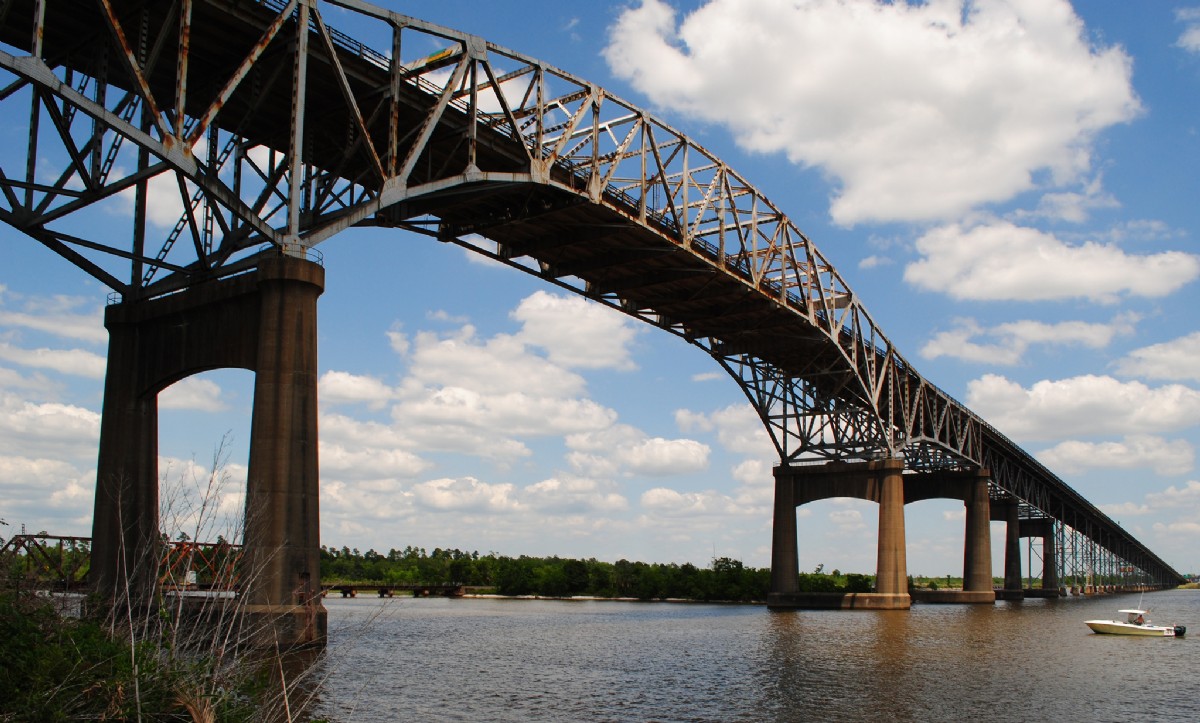
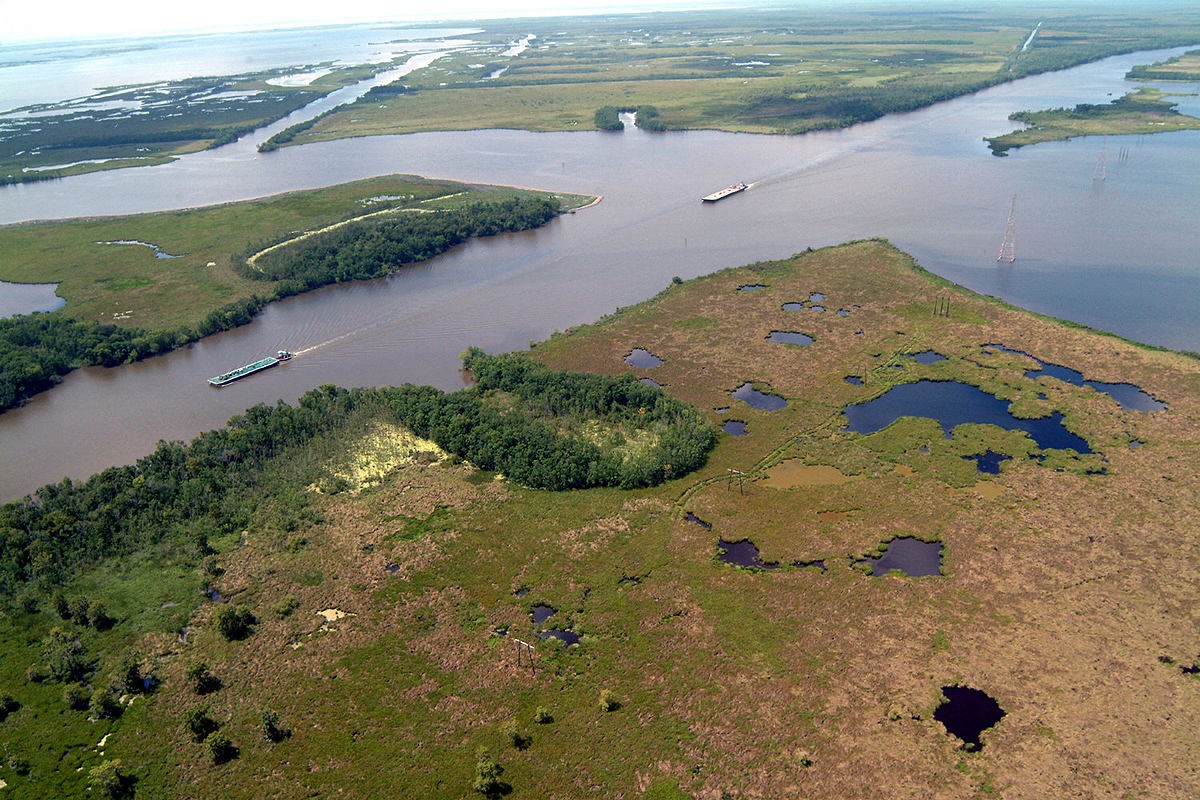
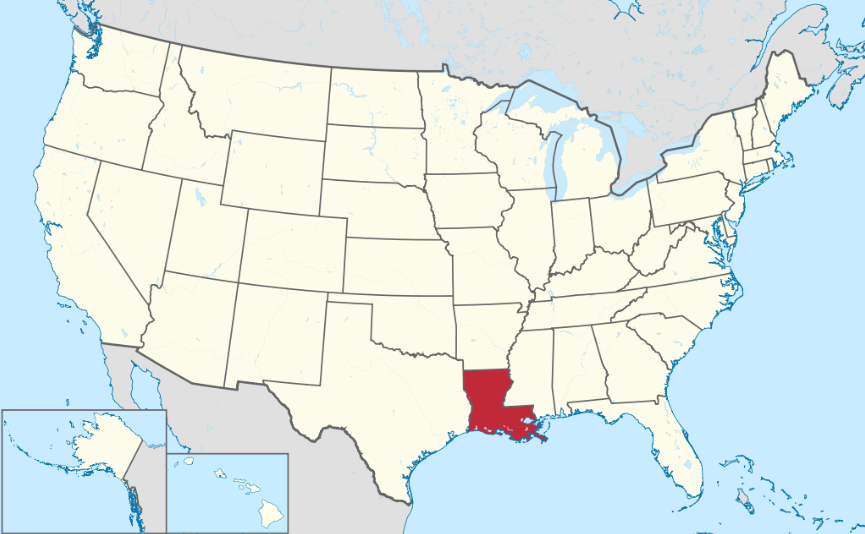
Louisiana is located in the Deep South of the United States. Near the coast and in the Mississippi Valley are the alluvial lands, named after the alluvium (or sediment) washed down by the Mississippi River. This alluvium makes up the river’s enormous delta, along with vast areas of coastal marsh and swamp, beaches, spits, bars and islands. Many slow-moving streams, known as bayous, flow across the coastal plains. There are also lagoons, such as Lake Ponchartrain, and ox-bow lakes formed by Mississippi River cutoffs. The Mississippi River itself flows between ridges known as levees, artificially constructed to protect the surrounding lowlands from flooding. Inland, Louisiana rises to low uplands in the north. Rivers such as the Red River and Ouachita have cut deep channels into the terrain.


Name
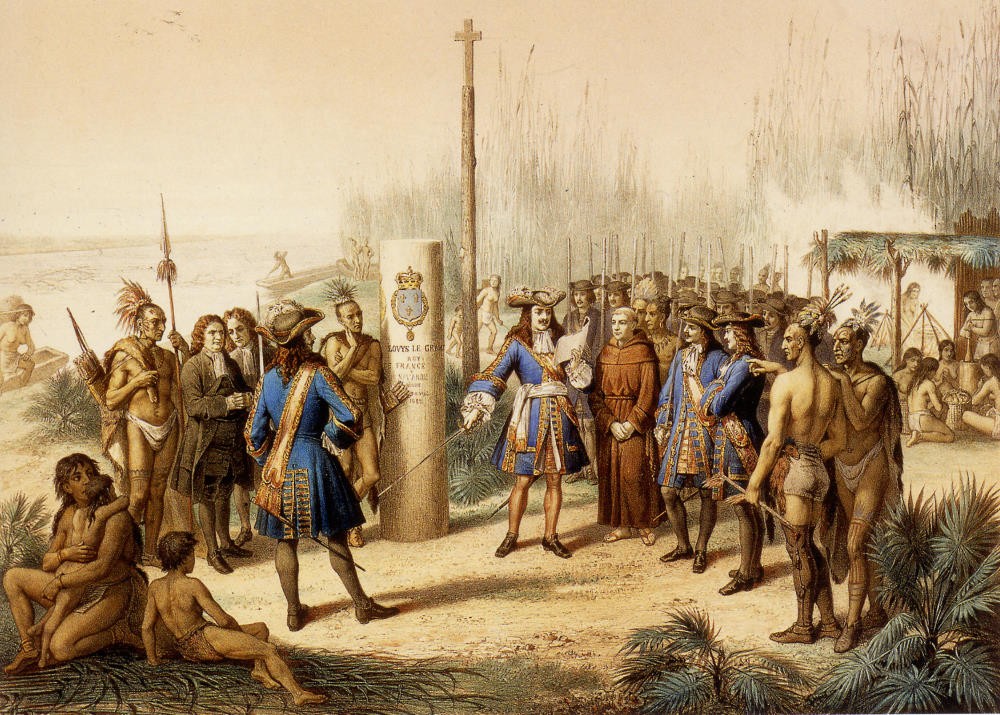
Louisiana was named after Louis XIV, King of France from 1643 to 1715. When René-Robert de La Salle claimed the entire Mississippi basin for France, he named it La Louisiane. Louisiana Territory, as the region became known after the United States' Louisiana Purchase of 1803, stretched from the Gulf of Mexico to just north of the present-day Canada–US border.
People
Some Louisiana cities boast a multicultural heritage. Native Americans have shaped the region for many thousands of years. In the 18th-century, French and Spanish settlers contributed the culture of their home countries. Later colonists imported many African people as slaves in the 18th and 19th centuries. Many came from the same region of West Africa, reinforcing their culture.

Cajuns
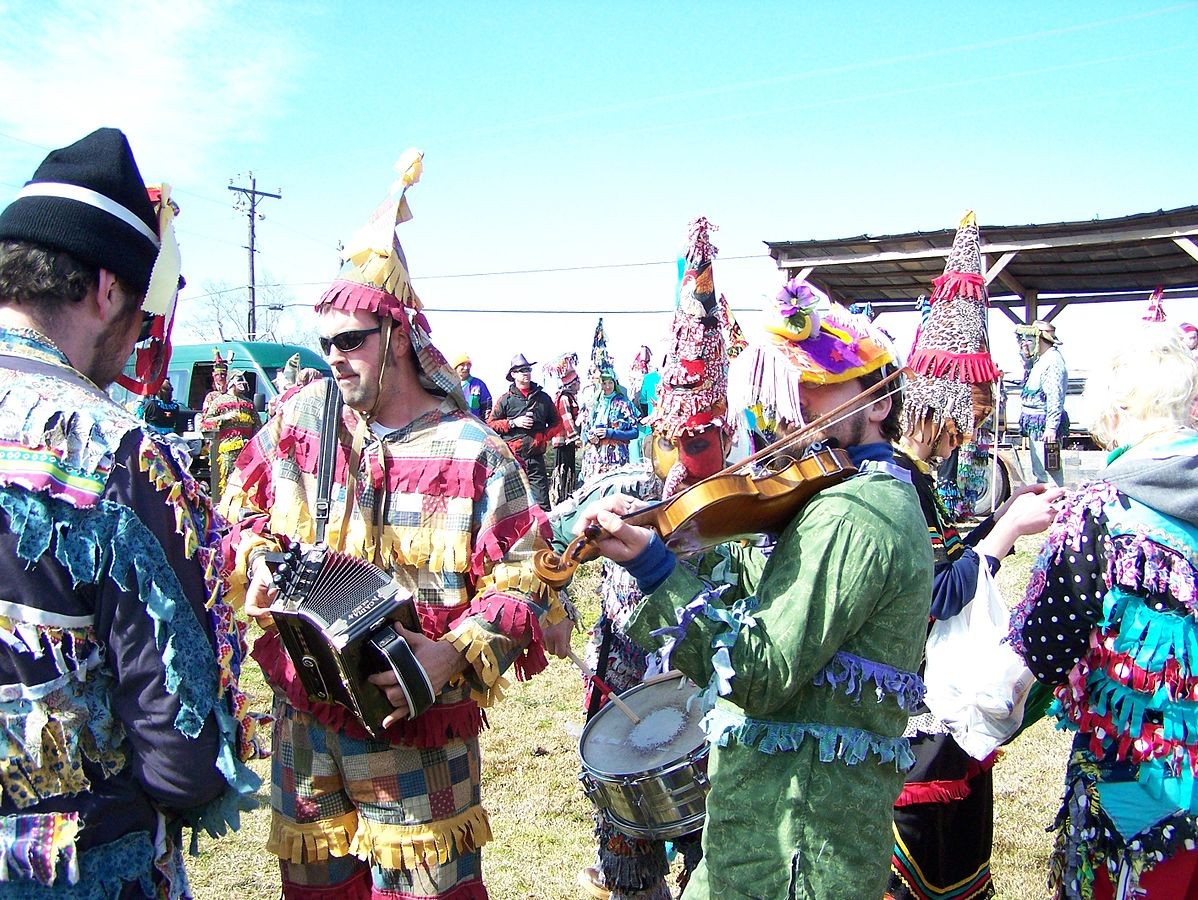
In 1765, French-speaking refugees, expelled from the region of Acadia (now Nova Scotia, New Brunswick and Prince Edward Island, Canada) by the British, settled in southwestern Louisiana. They became known as Acadians, or Cajuns. Nowadays, they make up a large portion of southern Louisiana's population. The Cajuns speak a unique dialect of French, and have a distinctive cuisine.

Climate
Lying close to the Gulf of Mexico, Louisiana has a subtropical climate. It has long, hot, humid summers and short, mild winters. In the summer, temperatures are much warmer in the north than in the south, which is cooled by sea breezes. In winter, temperatures are milder in the south.
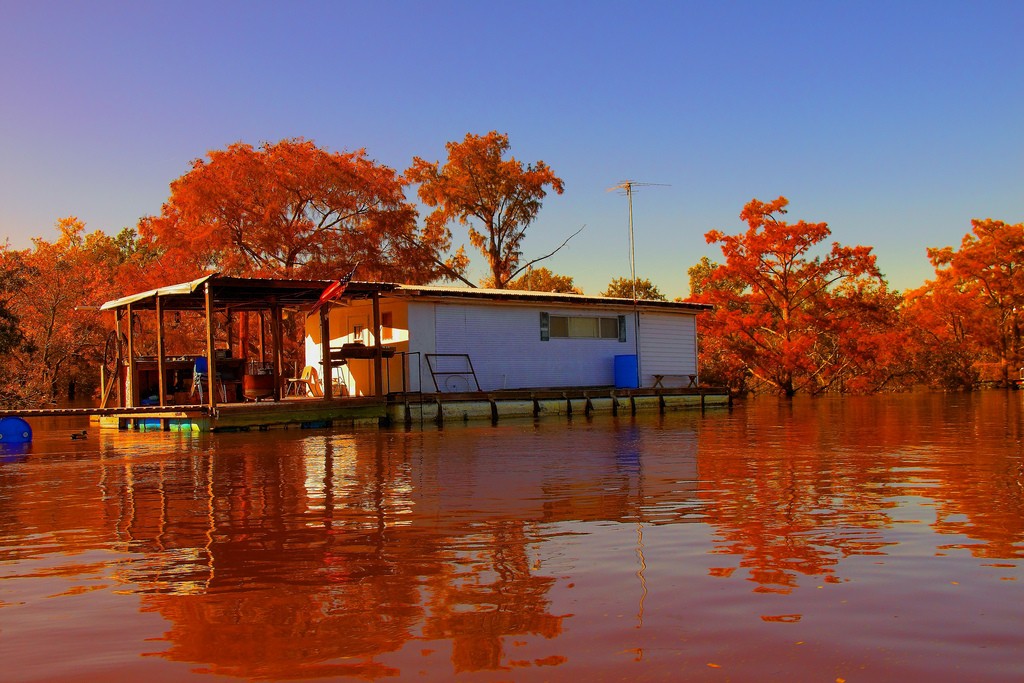

Louisiana is often affected by hurricanes, particularly in the lowlands around the Mississippi Delta. With so many bayous, marshes and inlets, major hurricanes can cause flooding over wide areas. The area is also prone to frequent thunderstorms, averaging over 60 days of thunderstorms a year—more than any other state except Florida. Louisiana is also vulnerable to tornado strikes.
Hurricane Katrina
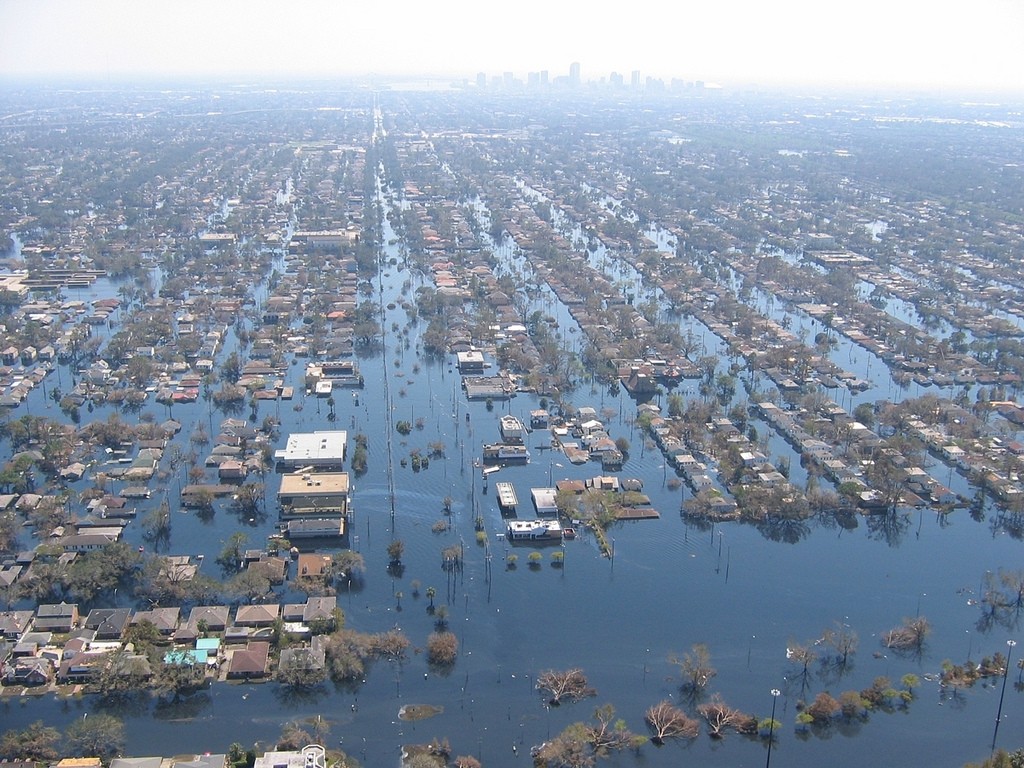
On 29th August 2005, Hurricane Katrina struck southeastern Louisiana. Levees in New Orleans were breached by the swollen Mississippi, causing 80% of the city to flood. Most people had been evacuated, but the majority of the population became homeless. More than 1500 lives were lost in Louisiana as a result of the hurricane. The authorities were criticized for their lack of preparation and slowness of response. Many residents who were relocated in temporary housing have not returned to their former homes.

Economy
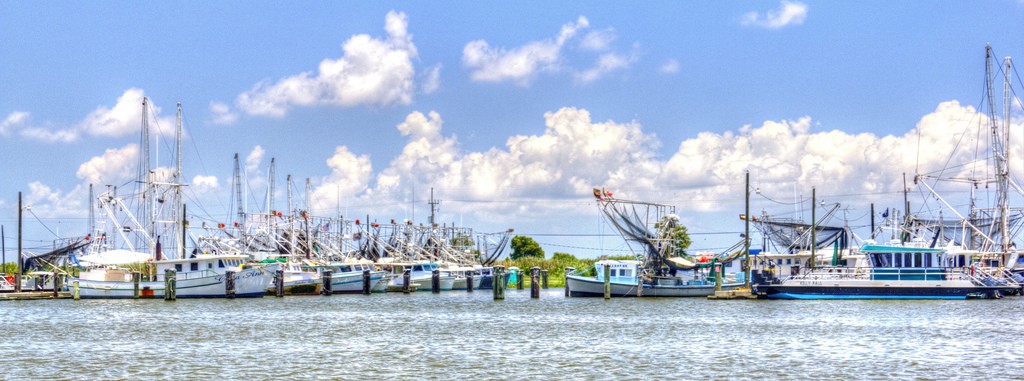

Louisiana's climate and rich alluvial soils make it a leading producer of sweet potatoes, rice and sugar cane. Other major products are soya beans, cotton, dairy, strawberries, maize, rice, hay, pecans and vegetables. Fishing, especially seafood, is a major industry.
The state is major producer of salt and sulphur, as well as crude petroleum and natural gas. There are giant oil refineries, petrochemical plants and lumber mills. Manufactures also include processed foods, transportation equipment and paper products. Tourism, especially in New Orleans, is vital to the economy.
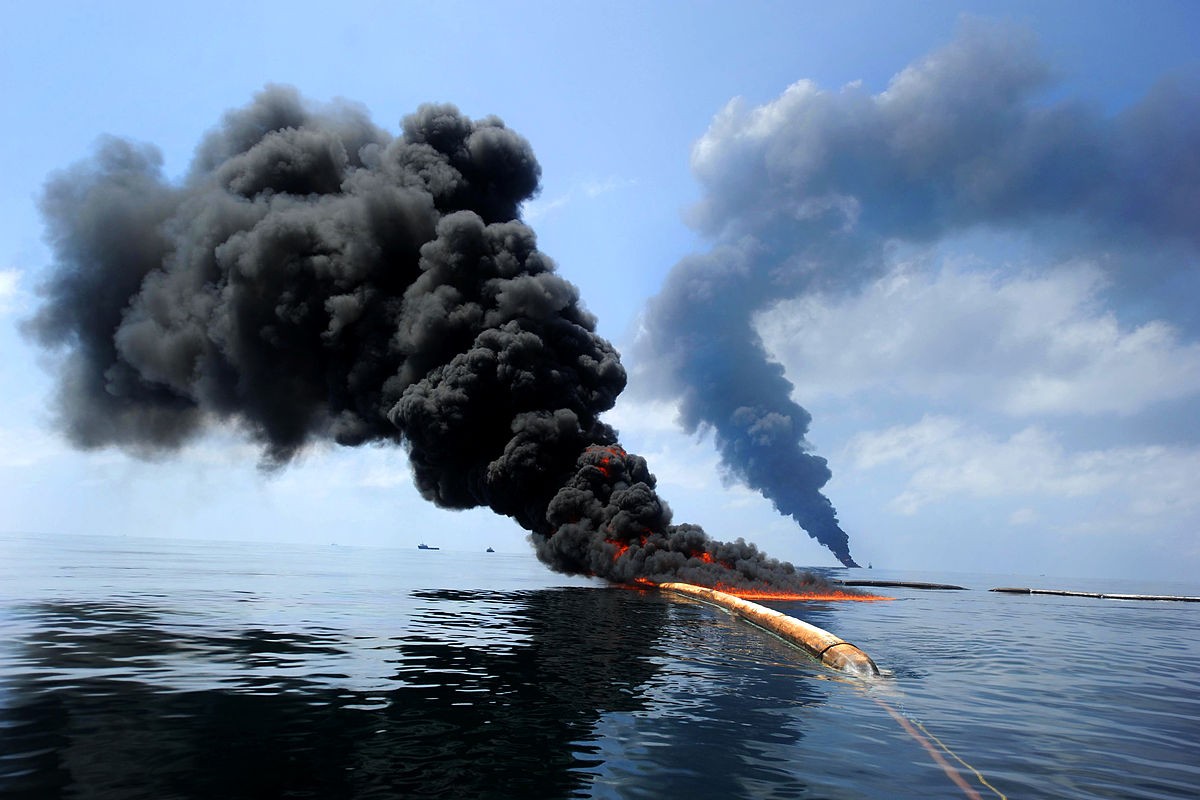
Louisiana has several major ports, including South Louisiana, located on the Mississippi River between New Orleans and Baton Rouge, which is the largest bulk cargo port in the world. The Intracoastal Waterway, a 3000-mile (4800-kilometre) inland waterway along the Atlantic and Gulf of Mexico coasts of the United States, runs through the state. Barges use it to haul petroleum products, foodstuffs, building materials and manufactured goods from one port to another.
New Orleans
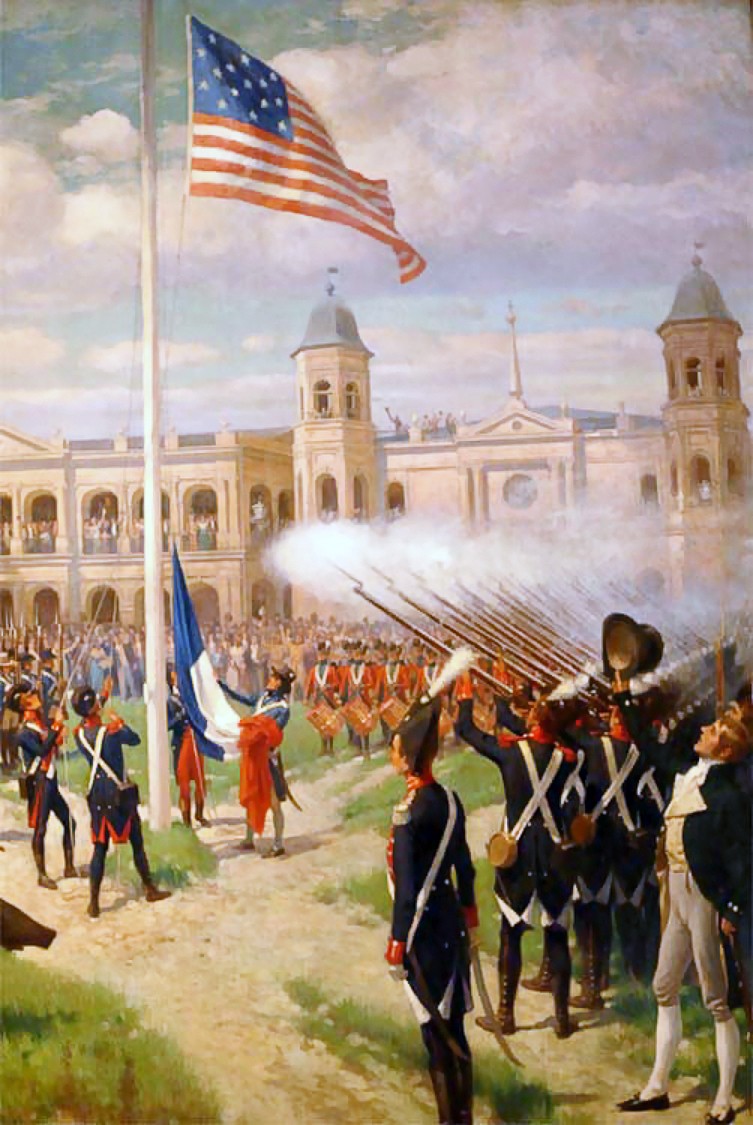
La Nouvelle-Orléans (New Orleans) was founded in 1718 by the French Mississippi Company on land inhabited by the Chitimacha native peoples. It was named after Philippe II, Duke of Orléans, whose title came from the French city of Orléans. The French colony was handed over to the Spanish in 1763, before the French took it back in 1800. Napoleon, the French leader, then sold Louisiana to the US in the Louisiana Purchase in 1803. New Orleans grew rapidly, with Americans, French, Creoles and Africans (some of them refugees from the revolution in Haiti) coming to live in the city. Later immigrants were from Ireland, Germany and Italy. Sugar and cotton were cultivated using slave labour on plantations outside the city. An important port, New Orleans became a centre of the slave market.
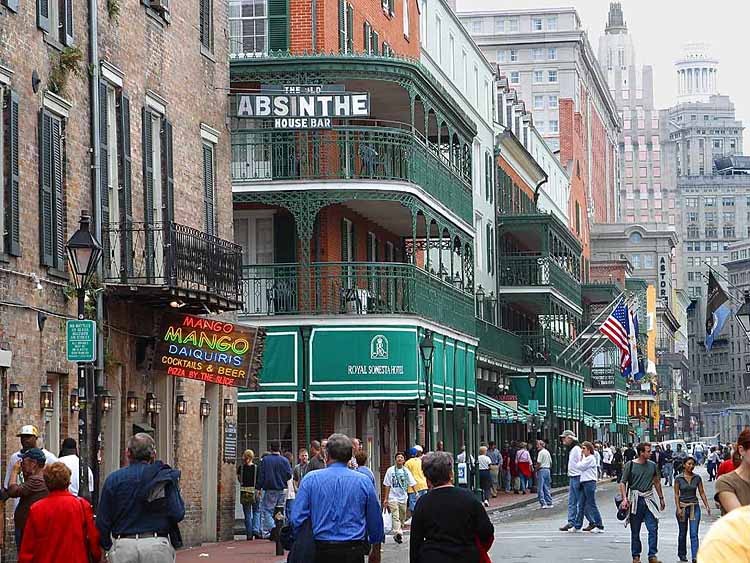
In the 20th century, vast areas of swamp and marshland outside the city were drained, allowing it to expand into low-lying areas. Rapid subsidence (sinking of the land) resulted in these newly populated areas falling to several feet below sea level, making them vulnerable to storm surges and catastrophic floods—such as those caused by Hurricane Katrina.

The New Orleans region has one of the largest and busiest ports in the world. The area is also the location of a significant portion of the US’s oil refining and petrochemical industry.
New Orleans, nicknamed the “Big Easy”, is a major tourist attraction. Famous as the birthplace of jazz, it is also well known for its distinctive French and Spanish architecture. The city's picturesque French quarter has many restaurants. Mardi Gras—perhaps the most famous festival in the US—has been celebrated annually in New Orleans since 1838.

Facts about Louisiana
Area 43,562 sq miles (112,826 sq km)
Highest point Driskill Mountain 535 ft (163 m)
Population 4,573,749
Capital Baton Rouge
Largest cities New Orleans, 364,136; Baton Rouge, 219,573; Shreveport, 177,959; Metairie, 143,507; Lafayette, 121,467; Lake Charles 79,633
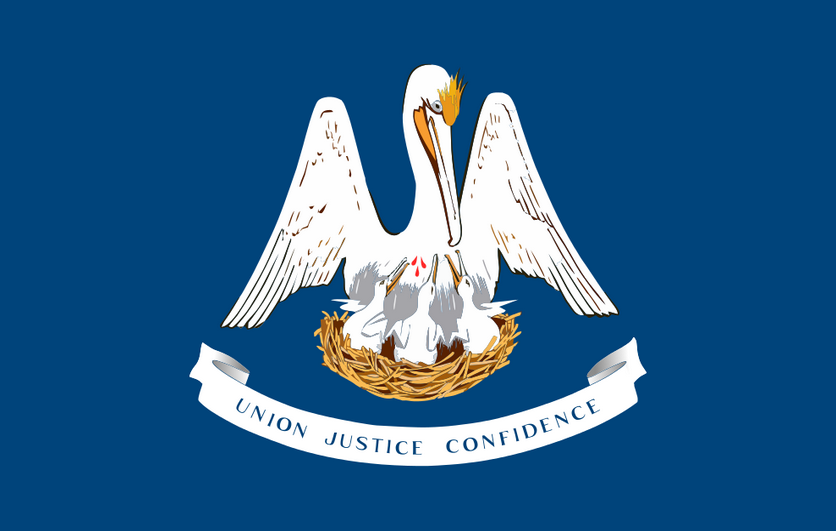
Nickname The Pelican State
State bird Eastern brown pelican
State flower Magnolia
State tree Bald cypress
Consultant: Nicholas Harris
History of Louisiana
3500 BC
Watson Brake, near present-day Monroe, an early mound complex site, is built by native peoples
1500 BC
Poverty Point culture, possibly the first tribal culture in North America, flourishes (until approximately 700 BC)
700–1200 AD
Coles Creek culture: hunter-gatherer groups build flat-topped platform mounds arranged around central plazas
1200–1700 AD
Plaquemine culture: Mississippian peoples farm maize, pumpkins, squash, beans and tobacco, while they also hunt, fish and gather wild plants. They divide into chiefdoms.
16th century
Caddo-speaking Native American peoples inhabit the Louisiana area at the time of first European contact; they farm maize
1528
The first European explorers, a Spanish expedition led by Panfilo de Narváez, arrive at the mouth of the Mississippi River
1542-43
Spanish explorer Hernando de Soto follows the Mississippi River down to the Gulf of Mexico
1682
French explorer Robert de La Salle claims all the land drained by the Mississippi and its tributaries for France, naming it La Louisiane (French Louisiana) in honour of France's King Louis XIV
1699
The first permanent settlement in French Louisiana is founded at Biloxi, now in Ocean Springs, Mississippi, under the direction of Pierre Le Moyne d'Iberville
1714
Natchitoches (on the Red River in present-day northwest Louisiana) is founded by Louis Juchereau de St Denis; it is the oldest permanent European settlement in present-day Louisiana
1719
French traders begin to import slaves from Africa
1720s
German immigrants settle along the Mississippi River
1719
France cedes (hands over) most of her territory to the east of the Mississippi to Great Britain following the Seven Years' War (French and Indian War); the land to the west of the Mississippi and the area around New Orleans, the "Isle of Orleans”, becomes a colony of Spain
1765
French-speaking refugees from the region of Acadia (now Nova Scotia, New Brunswick and Prince Edward Island, Canada) settle in the southwestern Louisiana, a region now called Acadiana; they are known as Cajuns
late 18th century
Under Spanish rule, agriculture flourishes with the cultivation of rice and sugar cane; New Orleans grows into a major port
1800
France re-acquires Louisiana from Spain by the Treaty of San Ildefonso
1803
President Thomas Jefferson take possessions of the territories ceded by Napoleon Bonaparte of France in what known as the Louisiana Purchase
1804
The area of present-day Louisiana is divided into the Territory of Orleans to the south and the District of Louisiana to the north
1812
The Territory of Orleans becomes the 18th US state, named Louisiana; the District of Louisiana is renamed the Missouri Territory
1815
Forces from Louisiana defeat the British army at the Battle of New Orleans
1819
Louisiana acquires the area between the Mississippi and Pearl rivers, which were once part of Florida.
early 19th century
Traders bring African American slaves to New Orleans for sale to local plantation owners; sugar and cotton plantations develop rapidly on Louisiana’s fertile lowlands
1861
Louisiana decides to secede (break away) from the Union
1862
Union troops capture New Orleans
early 20th century
Thousands of African Americans leave Louisiana in the Great Migration, moving to the industrial cities of the north
1927
The Great Mississippi Flood: in the most destructive river flood in the history of the US, 70,000 sq km (27,000 sq miles) are inundated. More than 200,000 African Americans are displaced from their homes in Arkansas, Mississippi and Louisiana. As a result of this disruption, many join the Great Migration to the industrial cities of the North and Midwest.
2005
New Orleans and many other low-lying parts of Louisiana along the Gulf of Mexico are hit by Hurricane Katrina; the breaching of river levees causes large-scale flooding
2008
Hurricane Gustav forces 1.9 million people to evacuate southern Louisiana, the largest evacuation in the state's history
2010
Blowout of a deep offshore oil well leads to the destruction of the Deepwater Horizon oil rig and the largest oil spill in US history, with large parts of Louisiana's Gulf Coast polluted
2021
(August) Hurricane Ida strikes Louisiana. The second-most damaging and intense hurricane ever to hit the state, Ida made landfall on 29th August, devastating the town of Grand Isle and causing damage in New Orleans, Golden Meadow, Houma, Galliano, LaPlace and Lockport. Throughout Ida's path of destruction, more than a million people lost electricity. Heavy damage occurred in the southeast, as well as extreme flooding in coastal areas.
2025
On the morning of 1st January, a man drives a pick-up truck into a crowd on Bourbon Street, New Orleans, during New Year celebrations in the city. Fifteen people are killed (including the driver) and at least 35 others are injured. The killer, a US national, had pledged his allegiance to Islamic State (IS) before the attack.