
States of the US
Utah
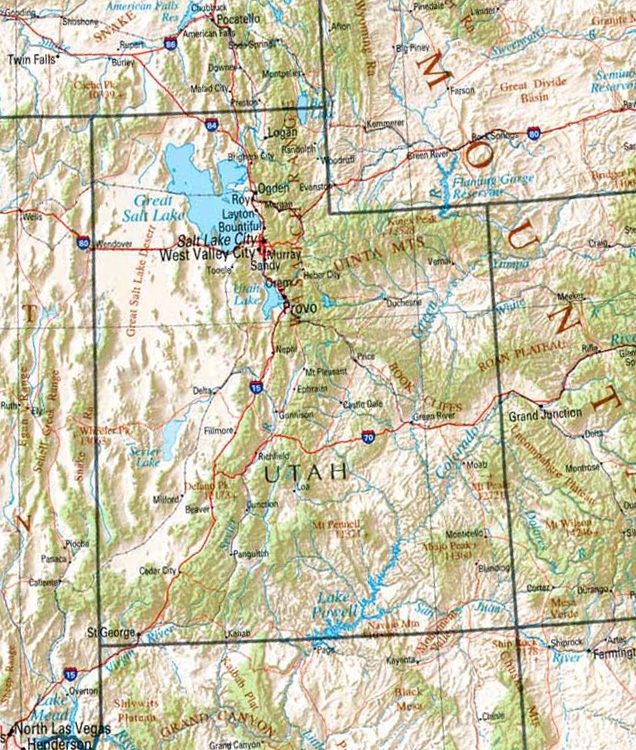
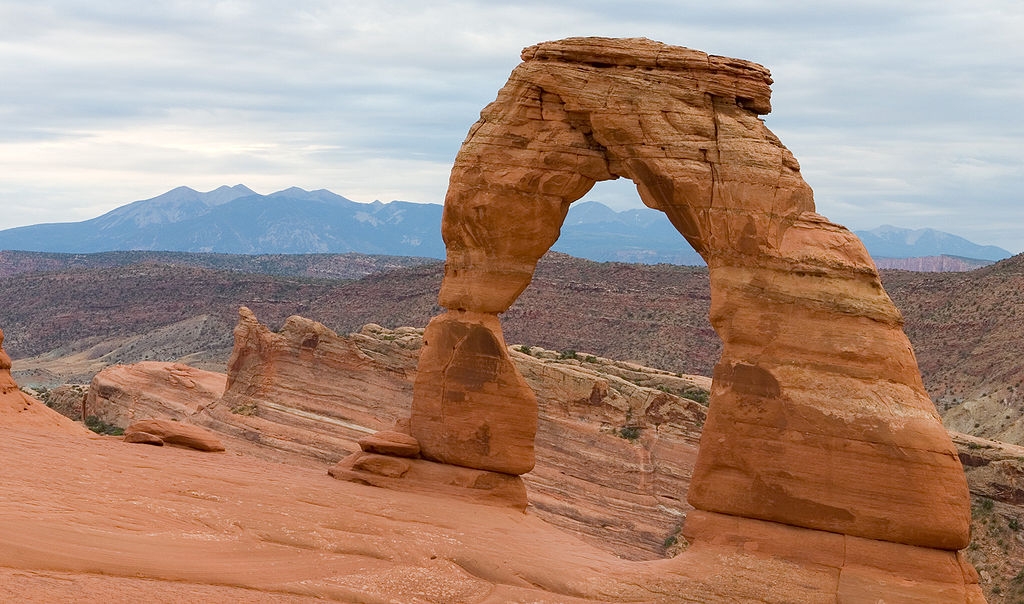
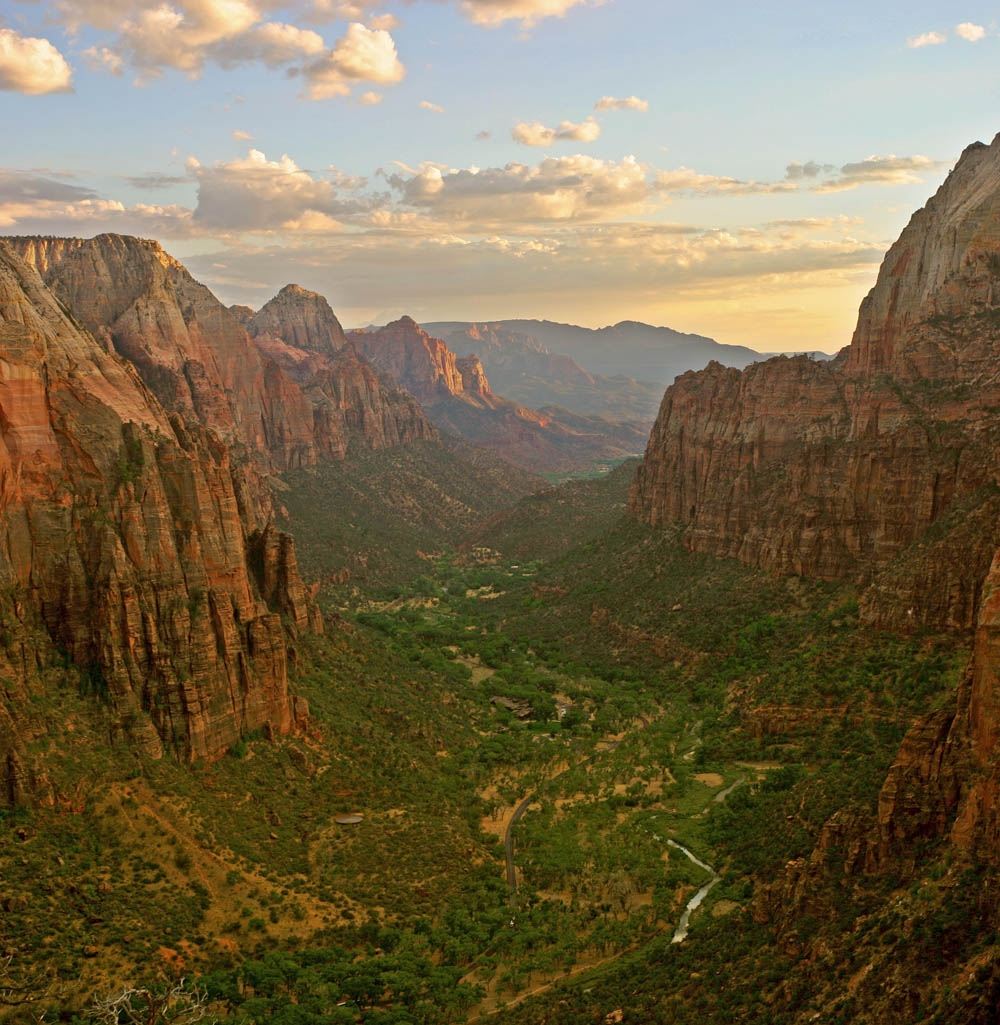
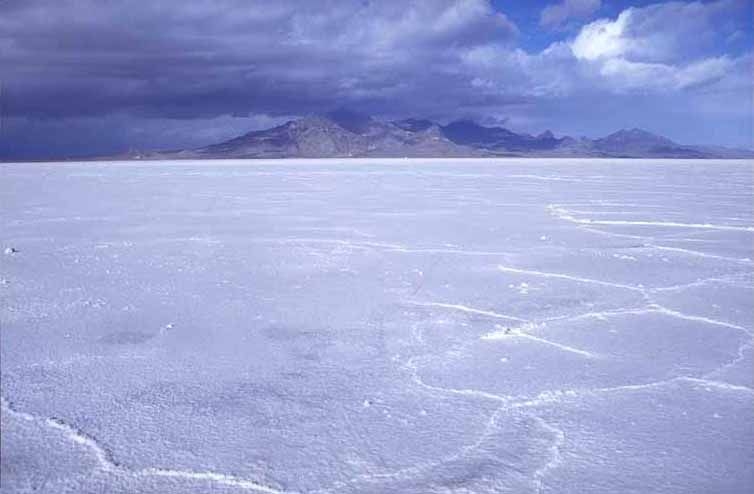
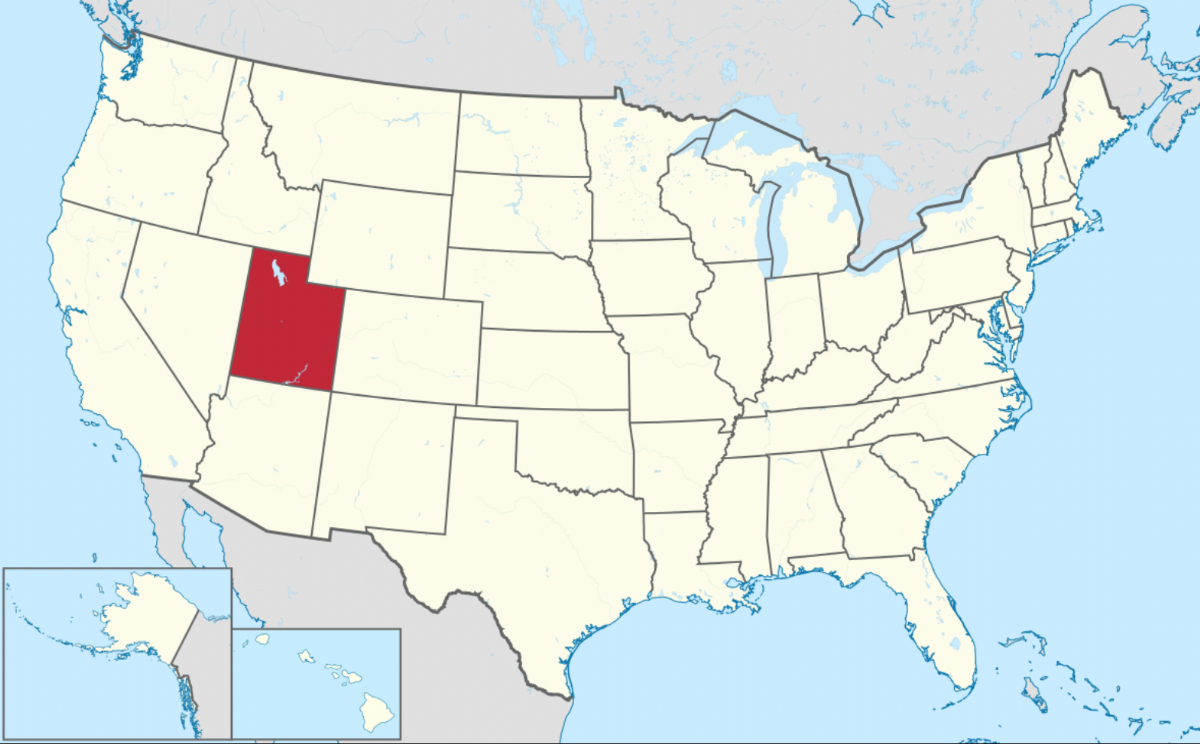
Utah is located in the west of the United States. The Wasatch Range, part of the Rocky Mountains, runs southwards through the northern part of the state from the border with Idaho. The towering, snowcapped Uinta Mountains rise to the east. Water from streams in the Uintas is carried via tunnels, canals and aqueducts to the Wasatch Front, the western foothills of the Wasatch Range on the edge of the Salt Lake Valley. Around 75% of Utah’s population lives in the Wasatch Front region. In southeastern Utah lies the Colorado Plateau, dissected by the deep, winding canyons. Western Utah forms part of the Great Basin, a region that was once the bed of an ancient freshwater lake, Lake Bonneville. Now it is an arid desert containing the lake's last remnant: the Great Salt Lake.
Name
The name Utah is believed to come from the name of the Native American Ute people. It translates as "people of the mountains" in the Ute language. By another theory, Utah's name comes from the language of another Native American people, the Apache. Their word, yudah, means “tall". The Spanish pronounced the word as "Yuta", which was adapted by English-speakers to "Utah”.
Climate
Most of Utah has a desert climate, although its mountains and high valleys have their own microclimates. Temperatures are extreme, with cold winters and very hot summers, except in mountainous areas. Any precipitation comes from the Pacific Ocean to the west, especially during the storm season lasting from October to May. The state’s location in the rain shadow of the Sierra Nevada in California limits the amount of precipitation, although the Wasatch Front region receives heavy snowfall in winter from water evaporated from the Great Salt Lake. This is called the "lake effect".
Economy
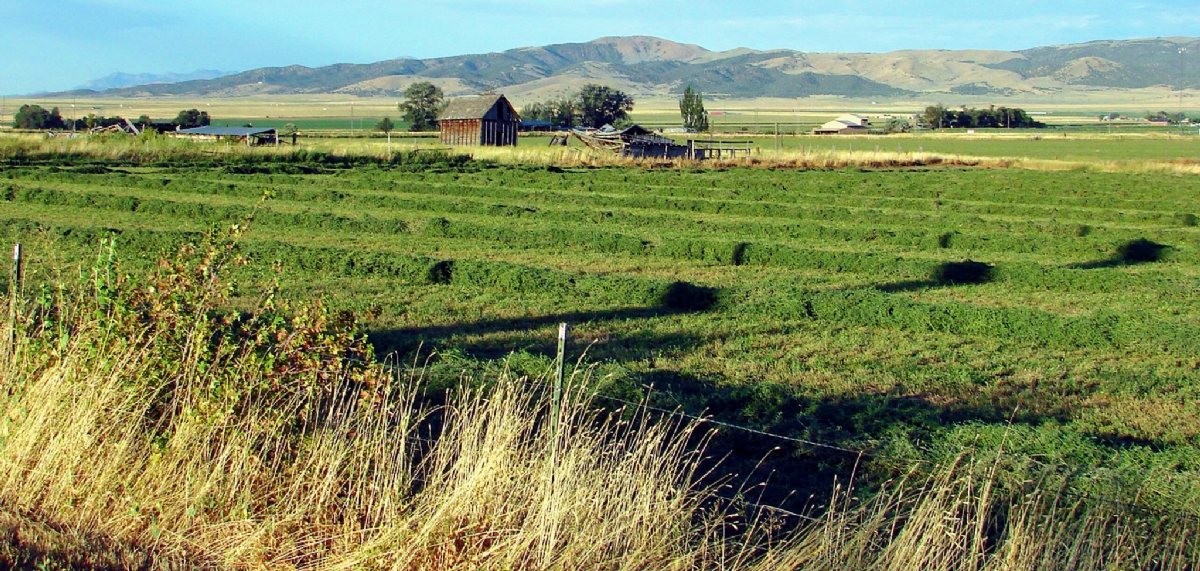
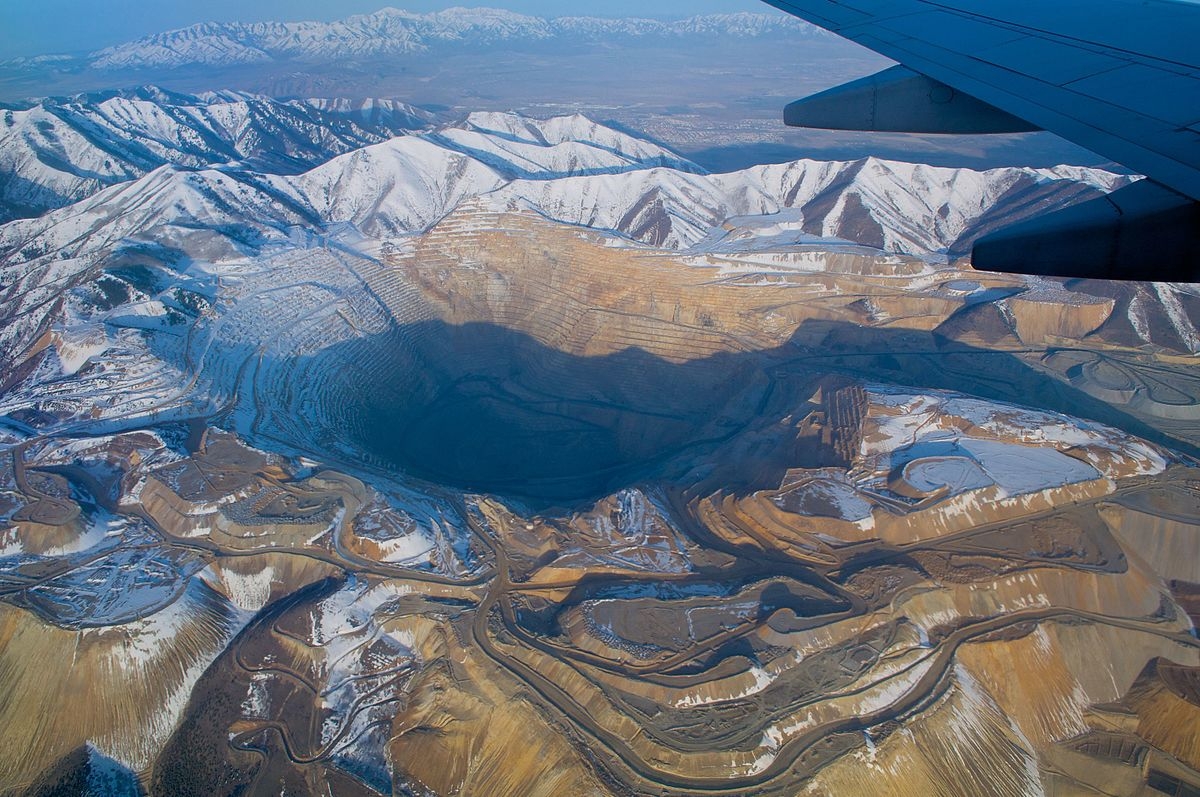
Cultivated land is limited to a small portion of the state's total area, mainly in the Wasatch Front region, where there is irrigation. Major crops are alfalfa (for hay, feed for cattle), maize, barley, wheat and fruit. Sheep, cattle and poultry are also widely raised. Utah is rich in mineral resources: copper is the chief metal, followed by gold, molybdenum and magnesium. Petroleum production is a major industry in eastern Utah, while the presence of high-grade iron, coal and limestone in central Utah enabled the development of a steel industry in the past.
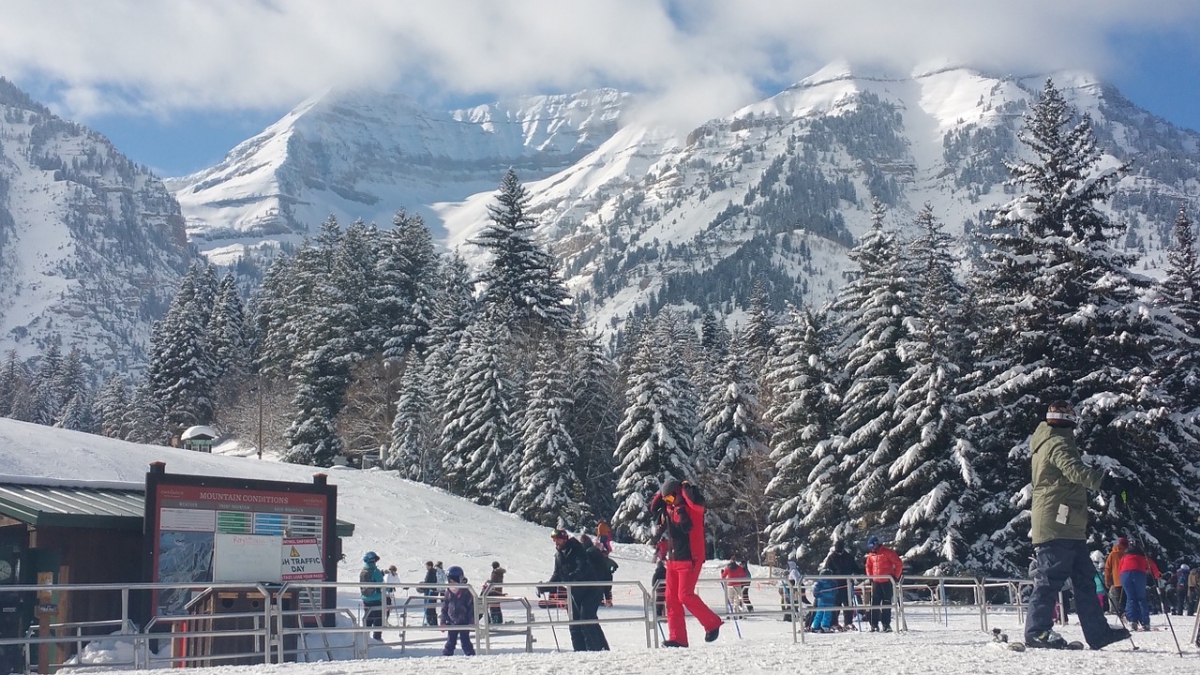
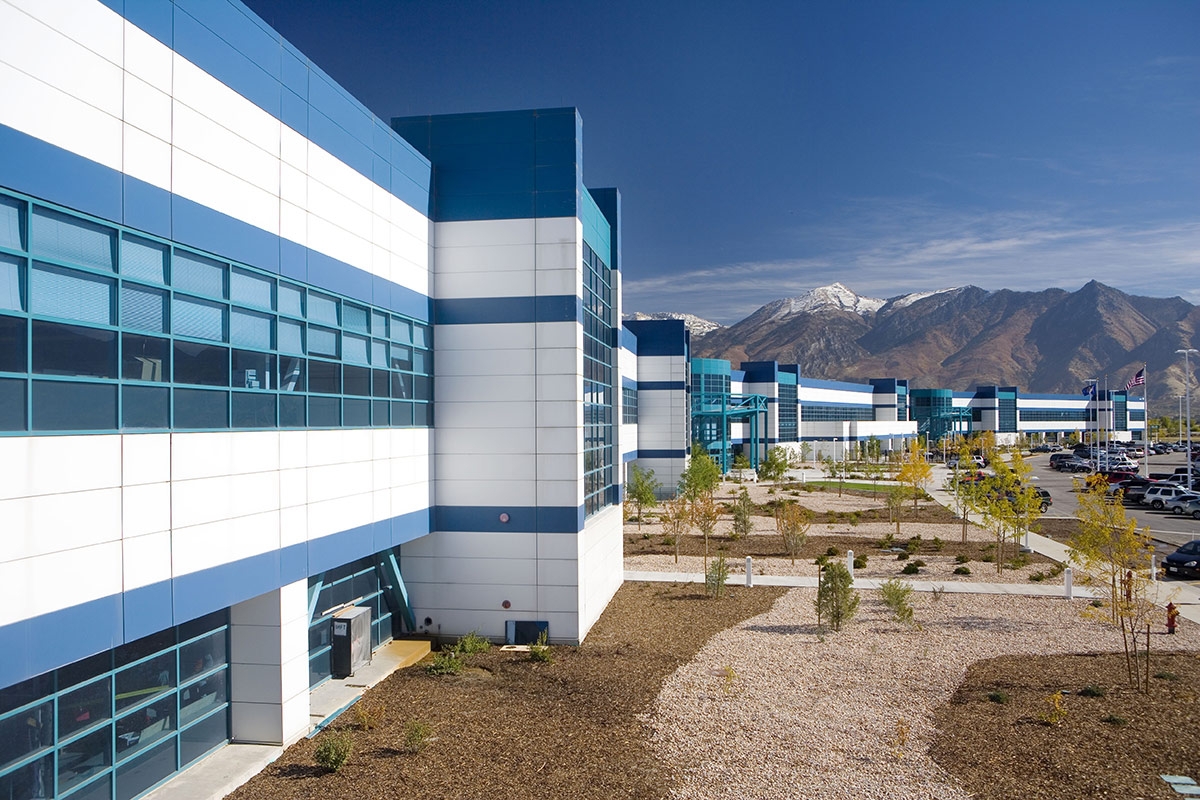
Utah, especially around Salt Lake City, is now a centre for aerospace and electronic industries (including the production of memory chips). Other major manufactures are processed foods and machinery. Tourism has become increasingly important to the state's economy. Ski resorts, particularly in the Wasatch Range and the mountains of southwestern Utah, together with five national parks and seven national monuments across the state, are all popular destinations.
Salt Lake City
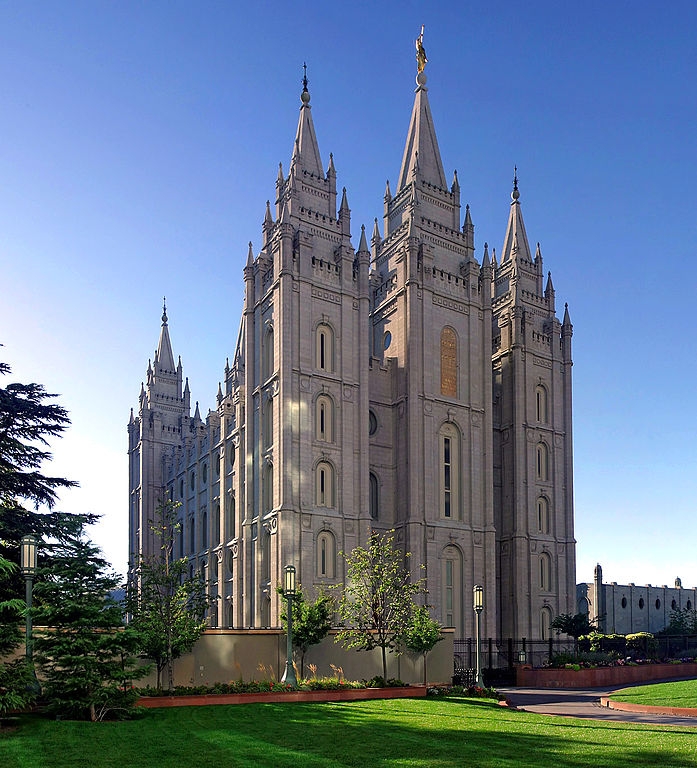
Salt Lake City was founded in 1847 by Brigham Young and followers of the Church of Jesus Christ of Latter-day Saints (Mormons). Seeking to escape religious persecution, the Mormons travelled west. On arriving in the Salt Lake Valley, an arid, inhospitable place empty of any human settlement, Young is recorded as declaring "This is the right place, drive on." Four days later Young chose the site for the Salt Lake Temple. Construction started in 1853 on the block later called Temple Square; it took 40 years to complete. The city that went up around it was originally named "Great Salt Lake City”. Meanwhile, the Mormon pioneer settlers irrigated and cultivated the surrounding land.
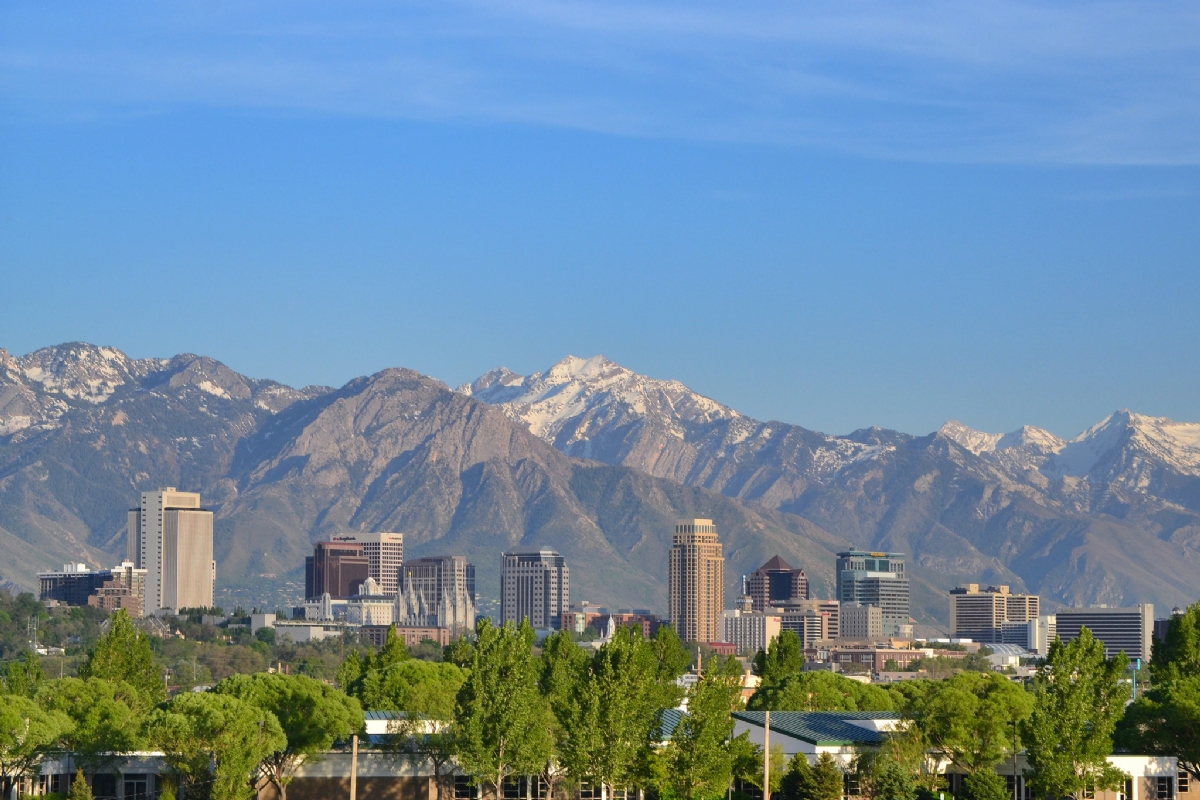
The city, soon renamed Salt Lake City, grew rapidly with an influx of Mormon converts, a mining boom and the construction of the first transcontinental railway. Today Salt Lake City is the world headquarters of The Church of Jesus Christ of Latter-day Saints, a commercial centre and a magnet for immigration from non-Mormon communities, including Hispanics and South Pacific islanders.
Great Salt Lake
The largest salt lake in the western hemisphere, the Great Salt Lake has already lost three-quarters of its water and has shrivelled by nearly two-thirds in area since the mid-19th century, when Salt Lake City was founded. It is feared that the lake will soon disappear altogether. Three main rivers, the Bear, Jordan and Weber, supply the lake's water. Around 75% of this inflow has been diverted, via a network of reservoirs and canals, to irrigate crops, mainly alfalfa. At the same time, rising average temperatures—a consequence of global warming—is both evaporating the water from the lake and reducing the amount of snow accumulating on the nearby mountains that feeds the rivers.
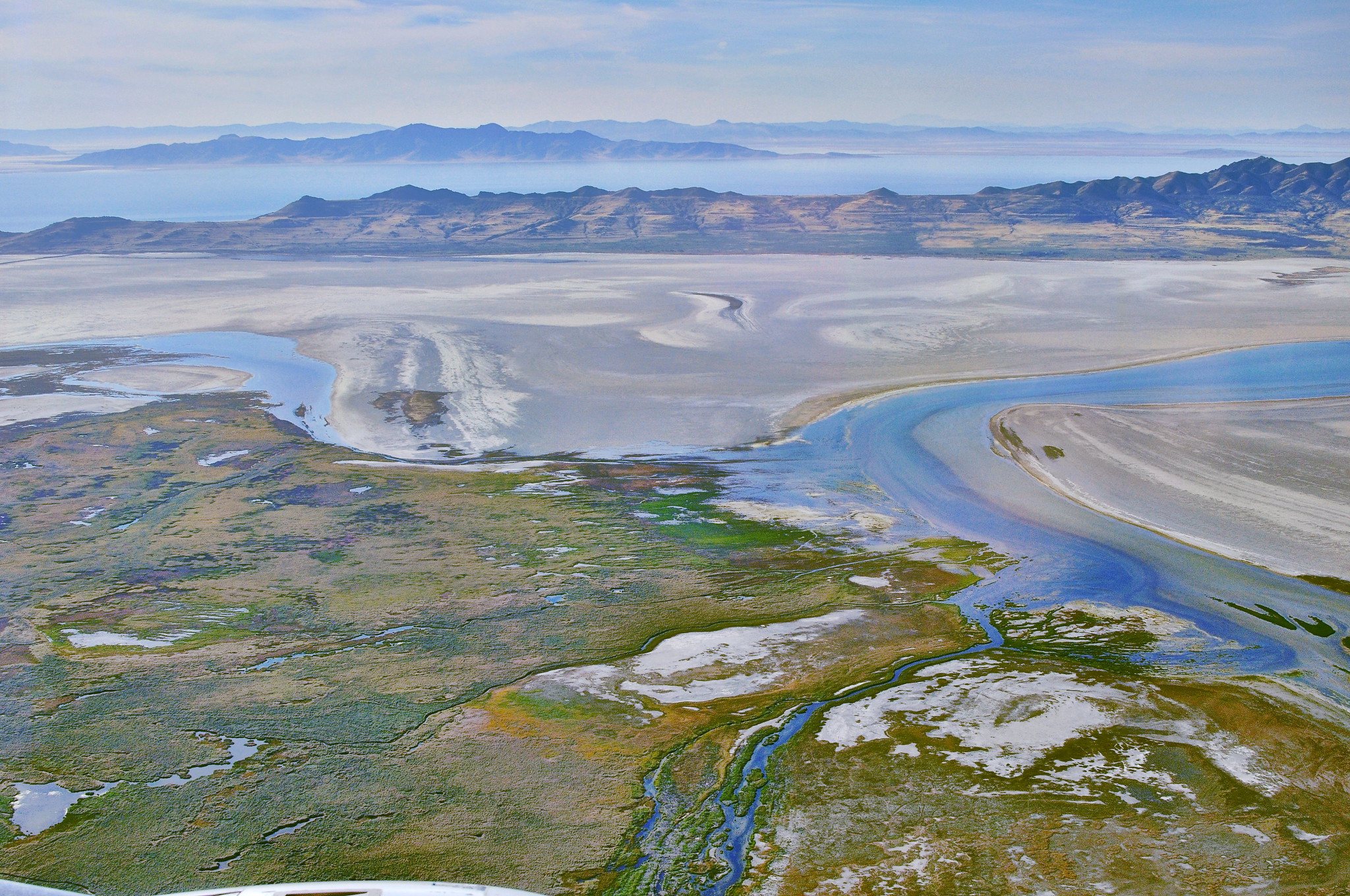
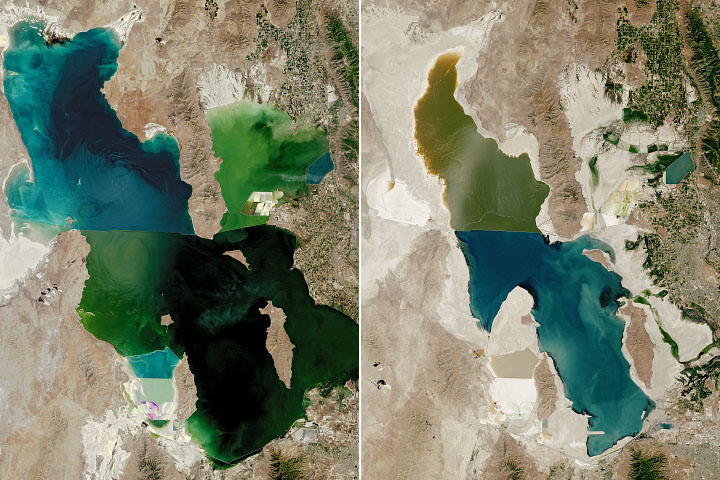
A major concern is that the salt crust overlying the dry, exposed bed of the Great Salt Lake—rapidly expanding in size—contains deposits of toxic elements such as arsenic, mercury and lead. These are picked up by winds to form poisonous clouds of dust that are then blown over residential areas to the east of the lake.

Bryce Canyon
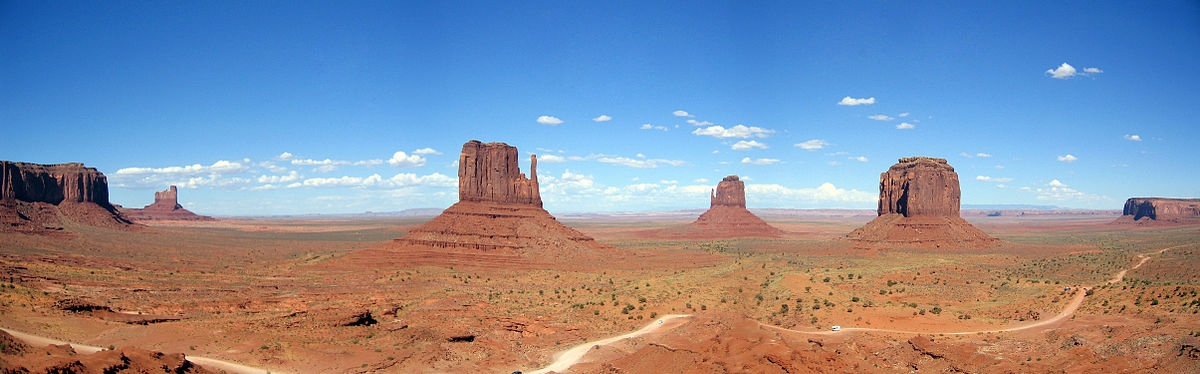
Wind and rain have sculpted the soft sandstone of southern Utah for millions of years. Canyons, arches, pinnacles, buttes, bluffs and mesas are the result. Bryce Canyon is a collection of giant natural amphitheatres along the eastern side of the Paunsaugunt Plateau. It features needle-like structures called hoodoos. Each consists of soft rock topped by harder stone, which protects the soft rock from erosion. In the mythology of the native Paiute, the hoodoos were the Legend People whom the trickster Coyote turned to stone.
Bryce Canyon is named after Scottish immigrant Ebenezer Bryce and his wife Mary, who settled in the area. Bryce grazed his cattle there, declaring it was “helluva place to lose a cow”.
Facts about Utah
Area 84,899 sq miles (219,653 sq km)
Highest point Kings Peak 13,534 ft (4120.3 m)
Population 3,417,734
Capital Salt Lake City
Largest cities Salt Lake City, 194,188; West Valley City, 134,470; West Jordan, 114,908; Provo, 113,343; St. George 104,578; Orem, 95,519; Sandy, 91,943; Lehi, 90,227
Nicknames Sagebrush State, Silver State, Battle Born State
State bird California gull
State flower Sego lily
State tree Blue spruce
Consultant: Nicholas Harris
History of Utah
16th century
The Native American Apache, Navajo, Goshute, Paiute, Shoshone and Ute peoples inhabit the region of today's Utah by the time the first European explorers arrive
1540
A Spanish group led by García López de Cárdenas, part of an expedition led by Francisco Vásquez de Coronado, probably enter southern Utah
1776
A Spanish expedition from Santa Fe led by two Catholic priests, Silvestre Vélez de Escalante and Francisco Atanasio Domínguez, travels as far north as Utah Lake and encounters the native people
1819
By a treaty between the US and Spain, the wider area of which Utah is a part is officially recognized as a Spanish possession
1821
Mexico gains independence from Spain; the region becomes part of the Mexican territory of Alta California
1820s
American mountain men, searching for rich beaver streams, explore the region of Utah
1824
American frontiersman Jim Bridger discovers the Great Salt Lake (although Étienne Provot, Jedediah S. Smith and others also have claims)
1830s
Migrants travelling to the American West on the Oregon Trail begin to make stops in the region of the Great Salt Lake
1841
A California-bound group of emigrants, the Bidwell party, leave the Oregon Trail and trek across the Great Salt Lake Desert
1840s
Miles Goodyear becomes Utah's first white settler when he sets up a trading post at the site of present-day Ogden, naming it Fort Buenaventura
1847
Fleeing religious persecution in the eastern US, a party of Mormons led by Brigham Young, head west. On 24th July 1847, now celebrated as Pioneer Day, the Mormons enter the Great Salt Lake valley. Salt Lake City is founded
1848
Treaty of Guadalupe Hidalgo: the US acquires the Utah region after the Mexican War
1850
A large area, containing all of the present states of Nevada and Utah as well as parts of modern Wyoming and Colorado, is organized as Utah Territory with Brigham Young appointed governor
1850s onwards
Mormons and other emigrants from the US and abroad, especially Britain and Scandinavia, arrive to settle the area, using pioneering irrigation techniques to make the land suitable for farming
1852
The practice of polygamy (marriage between an individual and multiple partners) is asserted by the Mormons; petitions for statehood, to be called the State of Deseret, are denied by the US government because of this practice
1865–68
Conflict between settlers and Native American Ute people, led by Chief Antonga Black Hawk, erupts in the Black Hawk War
1857
US government removes Young from his post of governor, and President James Buchanan directs US army troops to proceed against the Mormons ("Utah War" or the "Mormon campaign”). A peaceful settlement is reached
1861
Utah Territory is reduced to its present size by the creation of the Nevada and Colorado territories and, in 1868, Wyoming Territory
1869
Union Pacific Railroad is joined to the Central Pacific Railroad northwest of Ogden, completing the nation's first transcontinental railroad. It brings increasing numbers of people into the territory
1890
The Mormon Church renounces the practice of polygamy
1896
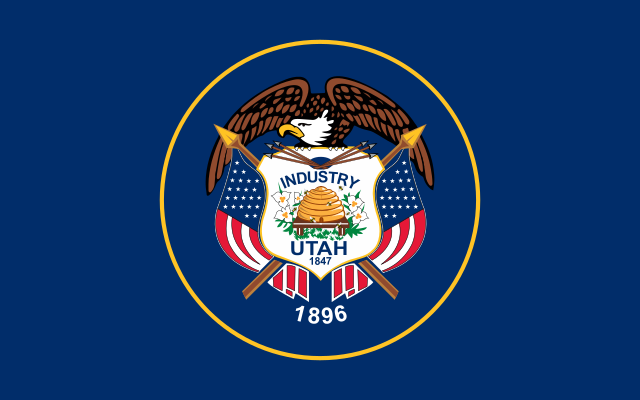
Utah is admitted into the Union as a state
1919
Zion National Park is created
1928
Bryce Canyon National Park is established
2002
Winter Olympics are held in and around Salt Lake City