
Africa
Chad
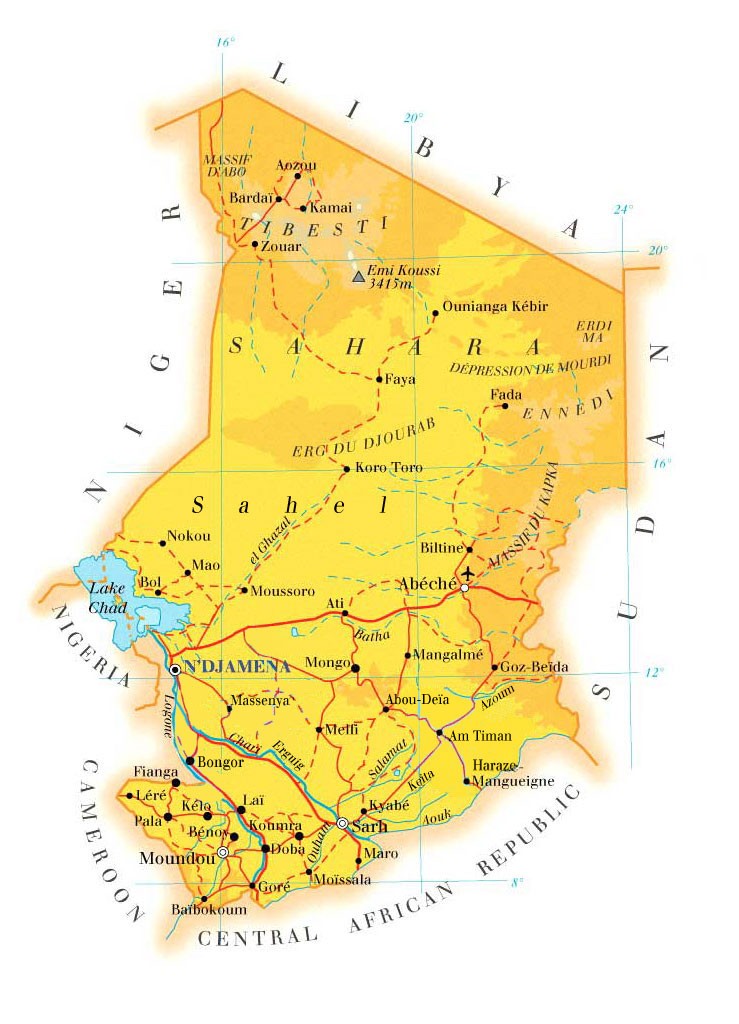
Much of Chad lies in the Lake Chad Basin. Once a vast inland sea, today this lowland region has dried up and all that remains is Lake Chad, in the far west, straddling the borders of Niger, Nigeria and Cameroon. The centre of Chad is covered by hot, dry grasslands—part of the Sahel region of northern Africa. To the north lies the vast Sahara desert. Rising from these sandy plains are the volcanic peaks of the Tibesti Mountains, some of the remotest mountains on Earth. In the south, the landscape is much greener; the Chari and Logone rivers wind through woodlands and savanna. Here, the climate is milder: it is hot and humid all year round, with a rainy season between April and October.

People
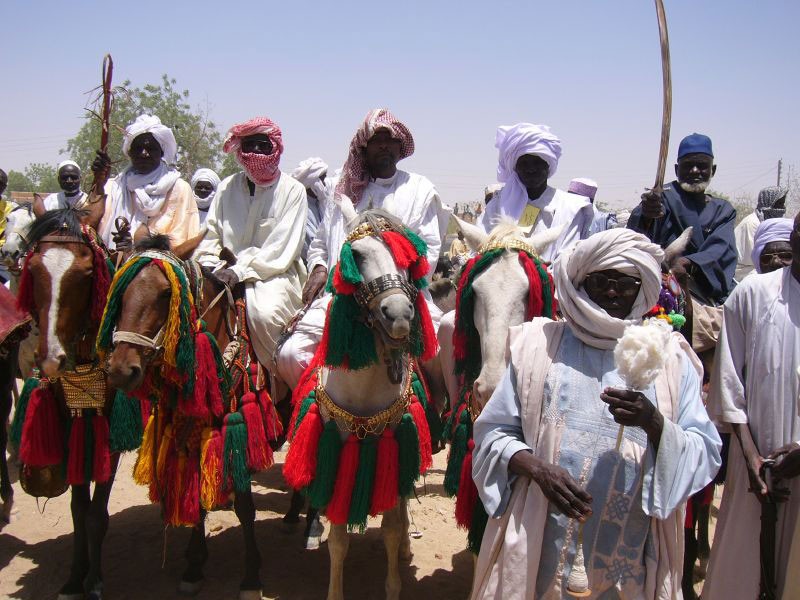
Chad’s is home to over 250 different ethnic groups. The south is home to farming peoples such as the Sara, whose ancestors came from the Nile Valley, settling in Chad during the 16th century. Farther north, in the Sahel, many people live a semi-nomadic lifestyle, travelling long distances to find grazing lands for their animals. The fringes of the Sahara are home to nomadic cattle-herders, such as the Toubou. Chad’s different peoples speak about 120 different languages between them, but many people also speak French or Arabic.
Oases
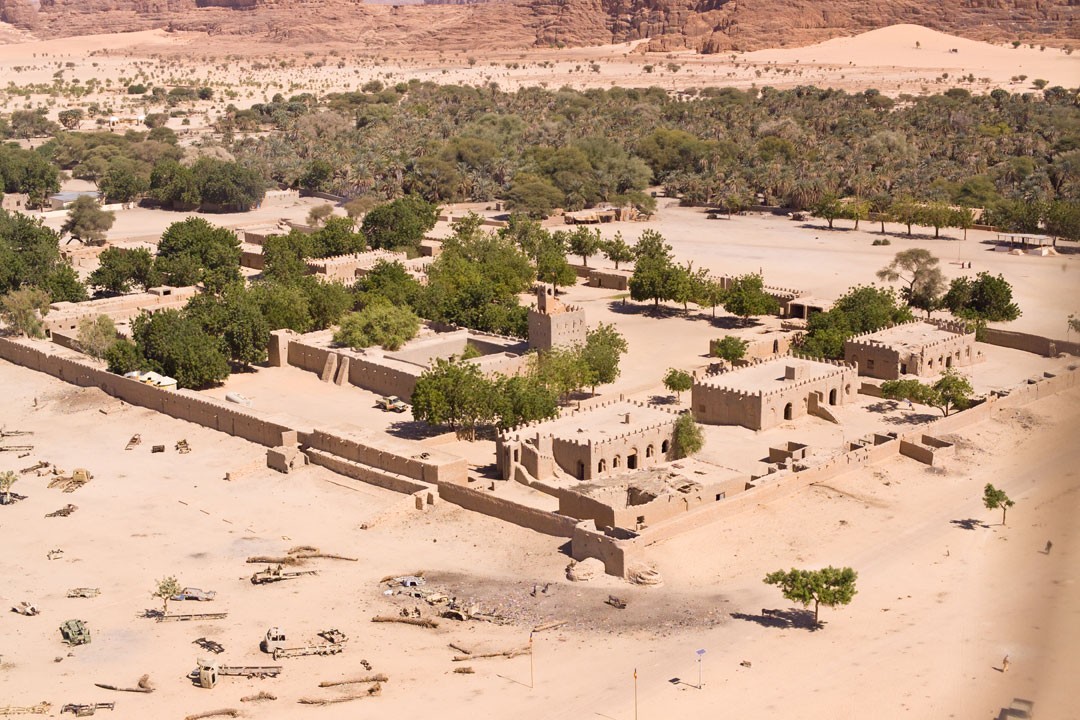
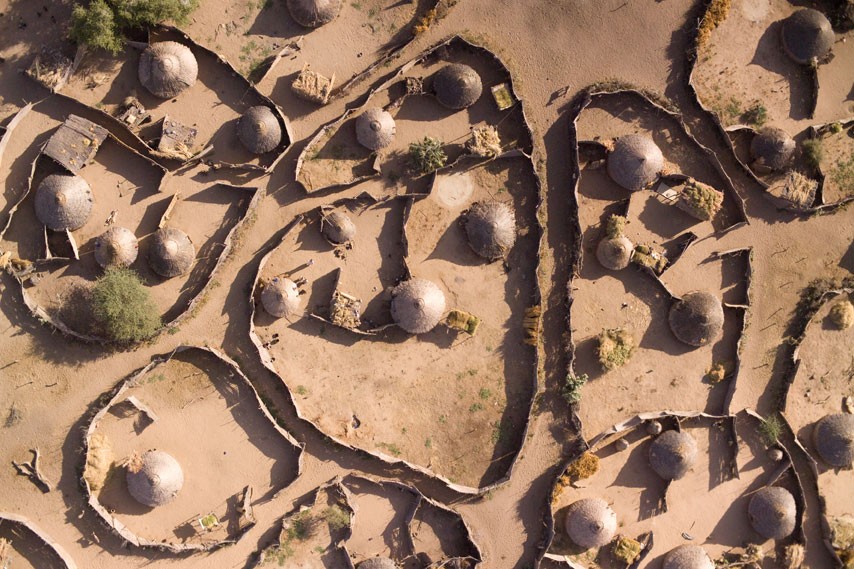
With its dry climate, northern Chad is badly affected by the climate emergency: temperatures in Kanem province (just to the north of Lake Chad) are rising almost twice as fast as the global average. Farmers rely on oases to grow crops, but these vital sources of water are disappearing in the rising heat. As palm trees die back and winds become stronger, rolling sand dunes threaten to bury the fields. Many local people have left to work in the goldmines of Chad’s Tibesti region on the northern border.
As part of the Great Green Wall project, an organization called SOS Sahel has helped villagers build barricades from palm fronds to hold back the dunes. They have also installed solar-powered water pumps, enabling farmers to grow vegetables, millet and banana trees.
Refugees
Religion has caused tensions in Chad. About half of Chadians—mainly those in the north—are Muslim, while the other half (in the south) follow Christianity and animism. After independence, political conflict between northern and southern Chadians sparked a civil war that lasted from the 1960s until the 1990s. Thousands of people had to leave their homes to escape the violence and today, many are still living as refugees. In recent years, more than one million refugees from Sudan have arrived in Chad, fleeing war in the Sudanese region of Darfur—nearly 700,000 of them since the Sudanese Civil War erupted in April 2023.


Economy
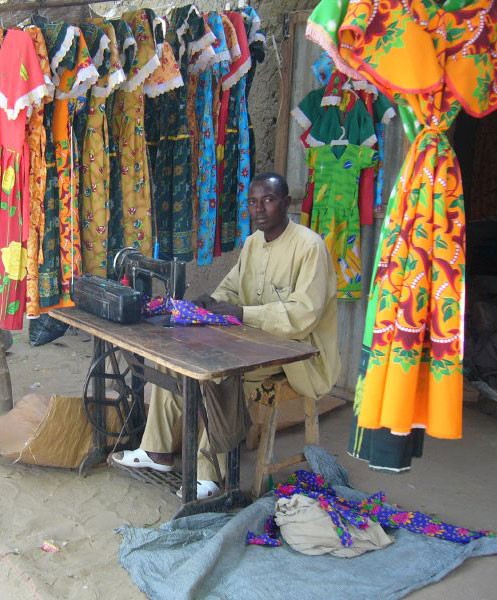
Chad’s economy is based on agriculture and oil production. Nearly all its people make a living from farming, growing crops such as millet, potatoes and cassava for their families, or cotton and gum arabic (a plant used to make fizzy drinks and glue) for export. In the cities, many people work in food-processing factories or in shops.
Chad began to export oil in 2004 and it quickly became the country’s biggest export. As oil begins to bring in wealth for Chad's people, however, ordinary Chadians see little improvement to their country. Most are very poor, living below the poverty line (less than £1.60 or $2.15 a day), and few have access to clean water.

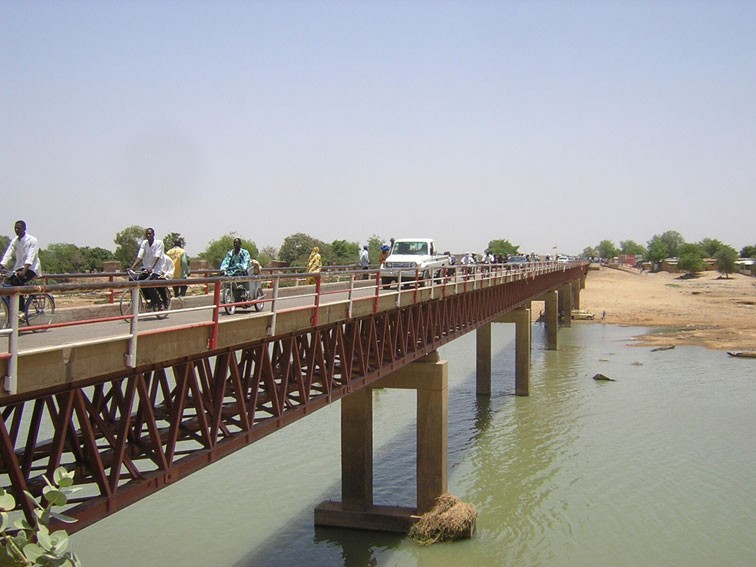
Lake Chad
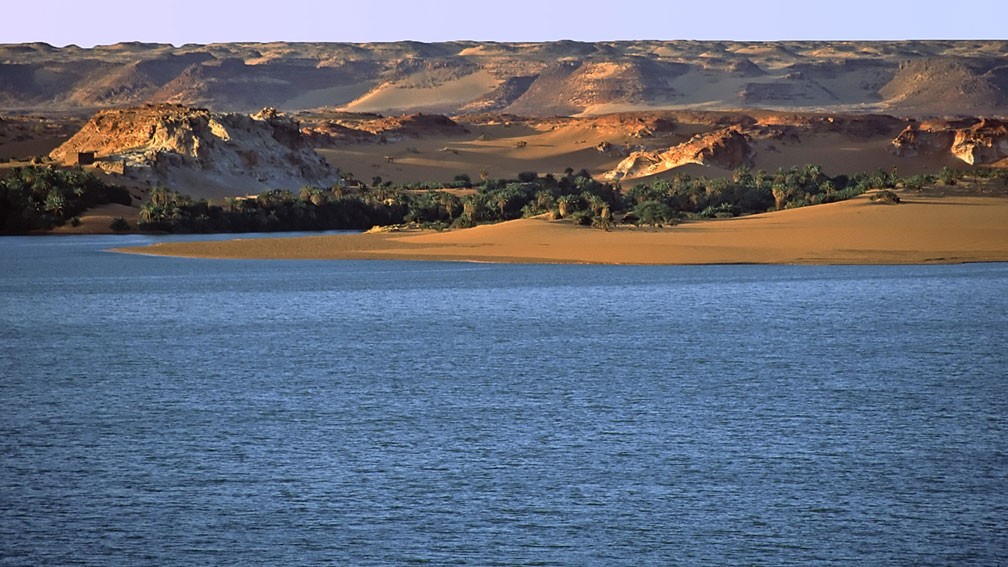
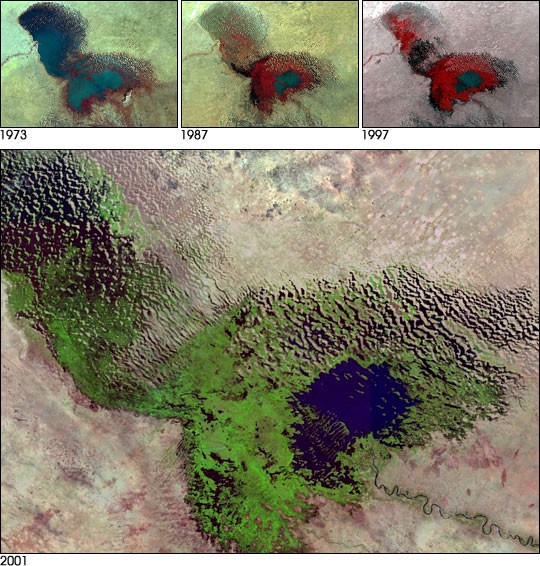
Lake Chad is one of Africa’s most important wetlands. It was once a huge expanse of water, stretching across what are now the dry grasslands of Central Africa. As this region’s climate has become drier over the last 10,000 years, the lake has been slowly drying up. In the last 60 years, it has, however, shrunk even more dramatically. In 1963 it measured 25,000 square kilometres—today it covers an average of around 2000 square kilometres.
Lake Chad's size varies greatly when rains cause the surrounding wetland areas to flood in the rainy season. Never more than 11 metres (36 feet) deep, it is a vital lifeline for local people, who fish in the lake for food and use its water. There is a significant increase in size when rains return to a region after a period of drought.
Consultant: Nicholas Harris
Facts about Chad
Population 19,093,595 (2024 estimate)
Area 1,259,200 sq km
Highest point Emi Koussi 3415 m (11,204 ft)
Capital N’Djamena, population 1.6 million (metro area)
Other major cities Moundou (pop. 136,900), Sarh (100,100)
Languages French, Arabic, Sara
Religions Muslim 55%, Christian 41%, others and none 4%
Ethnicity Sara 28%, Arab 12%, Mayo-Kebbi 12%, Kanem-Bornu 9%, Ouaddai 9%, Hadjarai 7%, Tandjile 7%, Gorane 6%, Fitri-Batha 5%, others 5%
Currency Central African CFA franc (XAF)
Chief exports cattle, oil, gum arabic, cotton
History of Chad
500 BC
Sao people live in Chad, building walled cities
700
Kanem Empire grows up in Chad, ruled by the nomadic Kanembu people. This powerful empire controls trade routes crossing the Sahara
1564–96
Kanem-Bornu Empire reaches its height under the rule of Idris Aluma
16th century
Kingdoms of Baguirmi and Ouaddai grow up to the east of Kanem
1883–93
Sudanese warlord Rabih al-Zubayr conquers the Ouaddai Empire and surrounding lands
1891
First French military expeditions arrive in the region
1900
French defeat al-Zubayr’s army and begin to take control of the region
1913
France conquers the whole of modern-day Chad and it becomes part of French Equatorial Africa; it produces cotton and supplies farm workers to other French colonies
1947
New political parties are set up: the Chadian Progressive Party (PPT) represents the Christian and animist south while the Chadian Democratic Union (UDT) represents French traders and the Muslim north
1946
Chad becomes a French overseas territory, with representatives in the French parliament
1960
Chad becomes independent with Francois Tombalbaye, leader of the (Christian) PPT, as president
1963
Tombalbaye bans all other political parties, sparking violent protests in the Muslim north. A rebel movement called Frolinat grows up
1966
Conflict in the north develops into civil war
1973
French troops arrive in Chad to help fight against Frolinat; Libya supports Frolinat by supplying weapons
1977–87
Libya takes control of the northern part of Chad
1979
A new coalition government (made up of several political parties) seizes control, headed by Muslim leader Goukouni Oueddei
1996
First multi-party presidential elections are held in Chad; Idriss Déby becomes president
2003
A new pipeline opens connecting Chad’s oil fields with Cameroon; Chad becomes an oil exporter
2006
Rebels fight against government troops on the outskirts of the capital; hundreds are killed
2008–10
Conflict between Chad and Sudan; Chad closes its Sudanese border
2014
Chad promises to stop trading ivory for 10 years
2016
Former Chadian President Hissène Habré is sentenced to life in prison for crimes against humanity committed during his presidency (1982–90)
2021
President Déby dies of his injuries following clashes between Chadian army and rebels in the north of the country; Déby's son, Mahamat Idriss Déby, takes over government of Chad
2024
Chad’s refugee camps hold more than a million people, with at least 554,000 Sudanese having crossed the border from Darfur since the civil war began in Sudan in April 2023. The camps are also home to refugees from the Central African Republic and Cameroon. Chad, one of the world’s five poorest countries, now has more refugees per head of population, than anywhere else in Africa.