
Africa
Sierra Leone
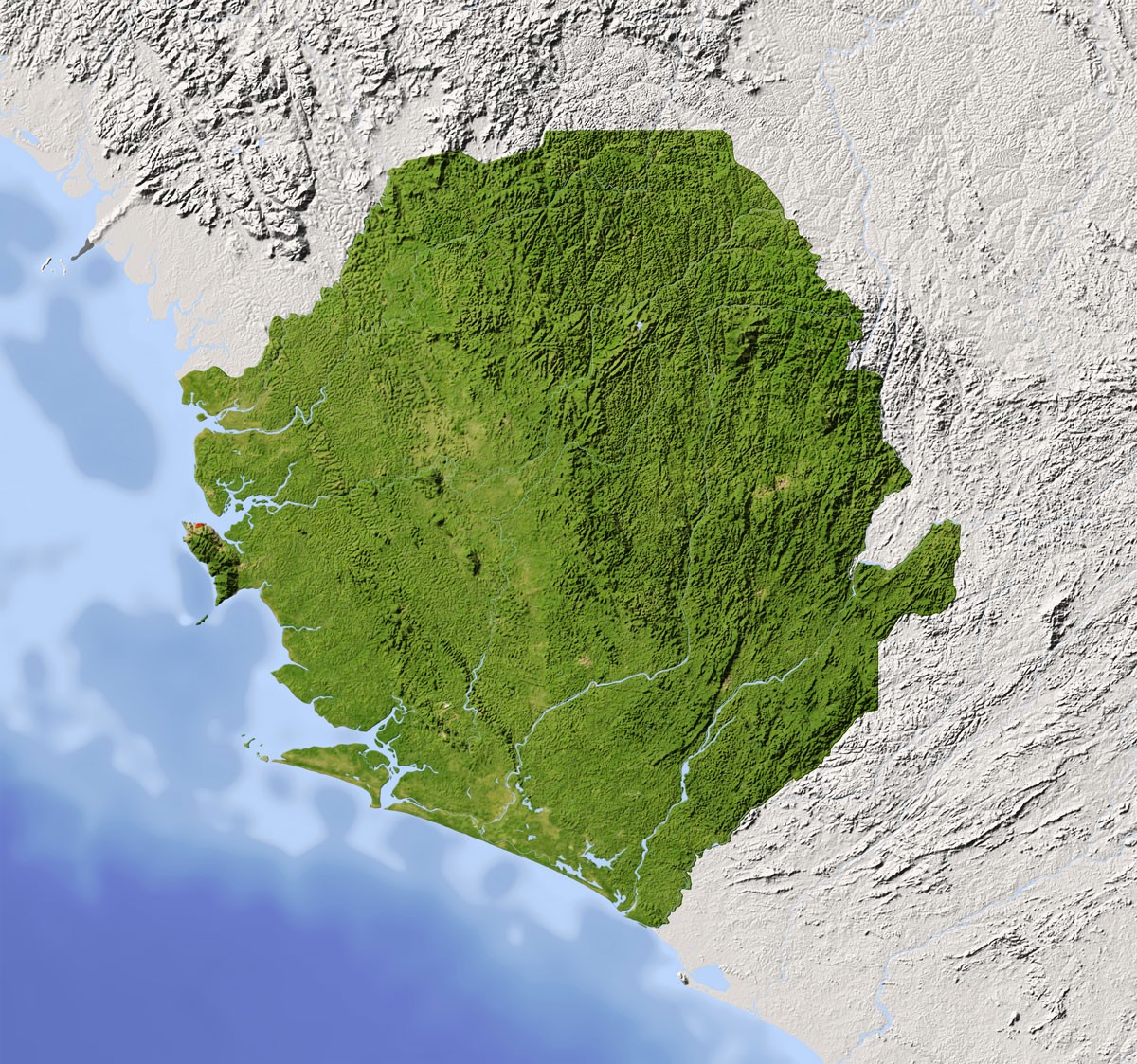
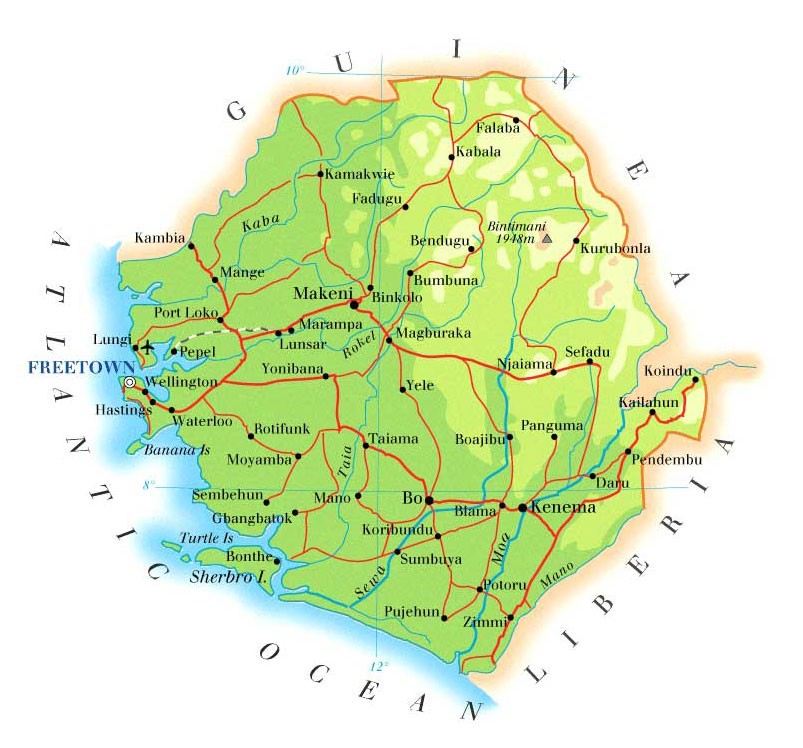
Sierra Leone lies on the west coast of Africa. Most of the country is covered with flat savanna grasslands and scrubland, with patches of rainforest. In the east, forested slopes form the edge of the west African plateau. Along the coast are mangrove swamps and sandy beaches. The climate is tropical: there is a rainy season from May to November and a dry season from December to May. During the dry season, harmattan winds blow in from the Sahara Desert, bringing cooler nights. Once a British colony, Sierra Leone is today still recovering from over a decade of civil war, which ended in 2002. About half of its population makes a living from subsistence farming, growing just enough food for themselves and their families to eat.
People
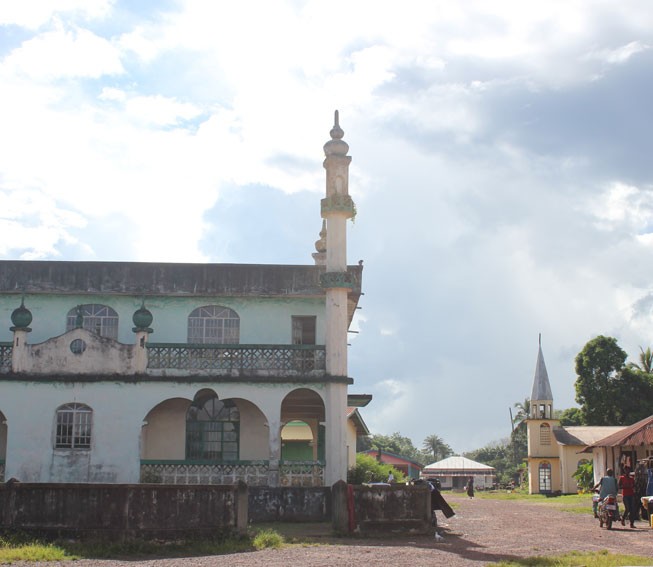
About 16 different ethnic groups live in Sierra Leone, each with their own language and traditions. The two largest are the Mende, who mainly live in the south, and the Temne, who live in the north. Most people are Muslim, while 10% are Christian. They live alongside one another peacefully. A small number of Sierra Leoneans, about 2% of the population, are descended from freed Jamaican slaves who settled in Freetown. They speak Krio, or Creole, a mixture of English and indigenous languages. During the civil war in neighbouring Liberia, many Liberians crossed over into Sierra Leone and still live there today.
Farming
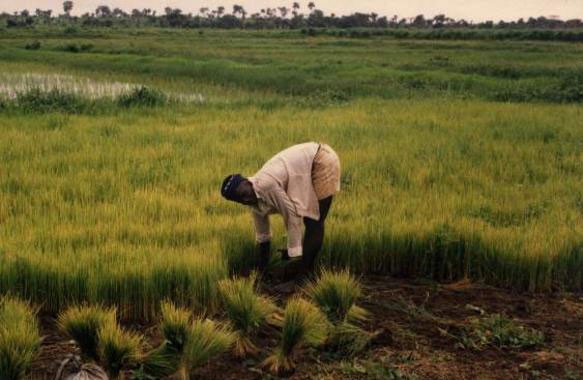
Coffee, cocoa, nuts and oil palms are all important cash crops in Sierra Leone. Both the pulp and the kernel (the large “pip” inside the fruit) of the oil palm fruit can be pressed to make different kinds of palm oil. These oils are used in cooking, cosmetics and soaps. Rice is the main food crop. It is grown in river valleys. One type, called “dry” rice, is grown on the valley slopes, while another variety grows well on the wet valley floor. Sierra Leonean farmers also grow cassava, sweet potatoes, and other vegetables. Some raise cattle, sheep and chickens.

Diamonds
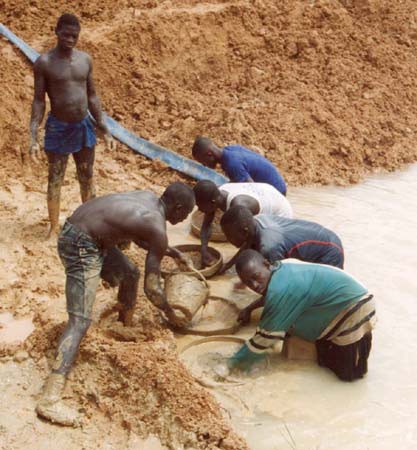
Mining is very important to Sierra Leone’s economy—the country has huge reserves of precious minerals, including bauxite (the ore of the metal aluminium), rutile (used to produce titanium), iron and oil. In the eastern region of Kono, diamonds are mined using heavy machinery. In some places they are cut from the rock with hand tools. Some people use a type of sieve to sift through gravel in rivers and streams for “alluvial” diamonds: this is known as “panning”. When they are found, they have a dull colour and are known as rough diamonds. They are exported abroad to be cut and polished.
Civil war
Between 1991 and 2002, Sierra Leone was torn apart by a bitter civil war. A rebel army called the Revolutionary United Front (RUF) fought against the government, taking control of diamond-mining areas in the south and east. During 11 years of war, more than 50,000 people died and over 2 million (a third of the population) fled the country as refugees.
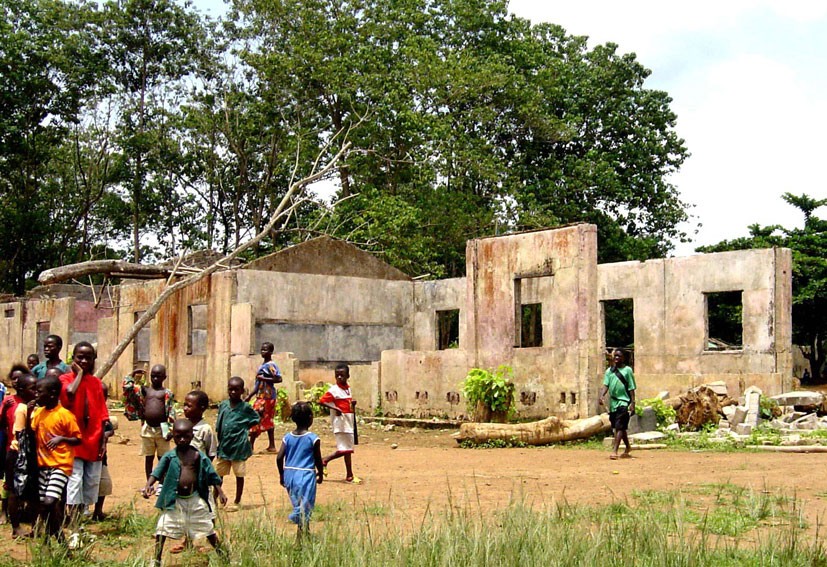
In 1999, peacekeeping troops from the United Nations and Britain arrived to try and bring the war to an end. With the British forces later fighting on the Government's side from 2000, the rebels were finally defeated. The civil war disrupted many of the country’s industries, including diamond mining, and stopped them from developing. Thousands of schools, businesses and homes were also destroyed and today, the country’s economy is still recovering.
Consultant: Nicholas Harris
Facts about Sierra Leone
Population 8,908,040 (2023 estimate)
Area 71,620 sq km
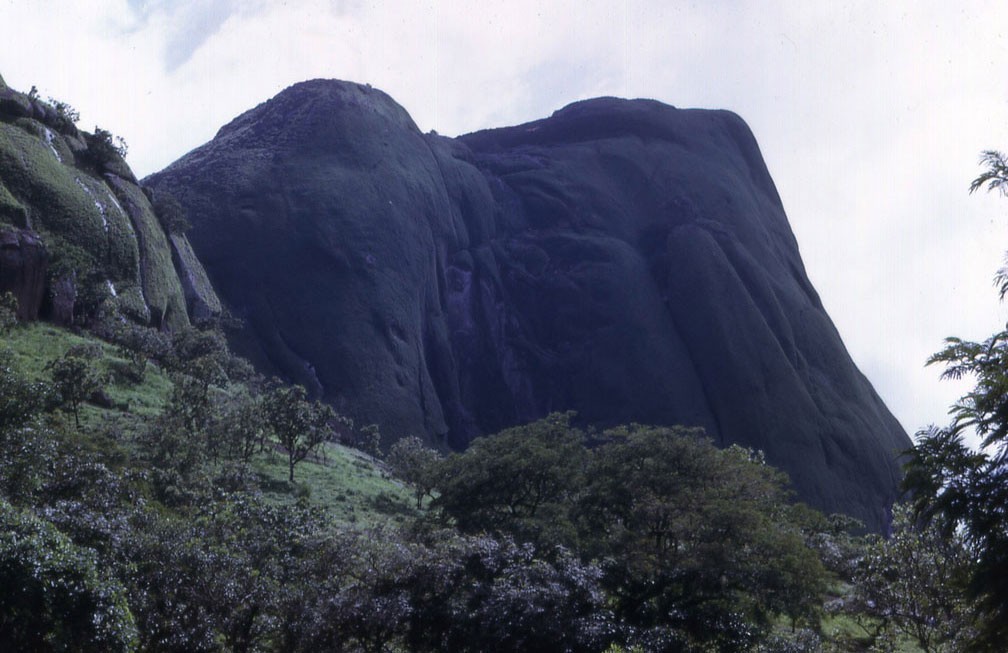
Highest point Loma Mansa (Bintimani) 1948 m (6391 ft)
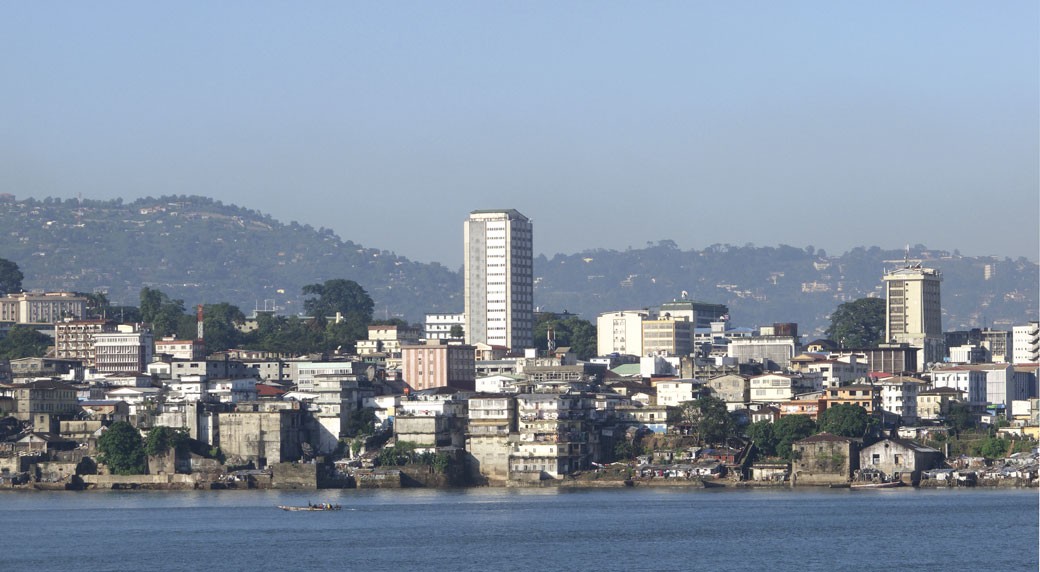
Capital Freetown, metro area population 1,500,234
Other major cities Bo (pop. 233,684), Kenema (200,354)
Languages English, Creole (Krio), Mende, Limba, Temne
Religions Muslim 78%, Christian 21%, indigenous beliefs 1%
Ethnicity Temne 35%, Mende 31%, Limba 8%, Kono 5%, Kriol 2%, Mandingo 2%, Loko 2%, others 15%
Currency Sierra Leonean leone (SLL)
Chief exports diamonds, rutile (used to make titanium), cocoa, coffee, fish

History of Sierra Leone
1000
People live along the coast, farming and fishing
1462
Portuguese explorer Pedro de Cinta visits the coast and maps the hills around Freetown Harbour
1495
Portuguese, Dutch and French set up trading posts in Freetown Harbour, exporting west Africans as slaves to the Caribbean
1787
The Committee for the Relief of the Black Poor, a British abolitionist organization, arrange for 400 formerly enslaved black people to settle in Sierra Leone. Their settlement is called Granville Town.
1792
The Sierra Leone Company, a British company, found a second colony in Sierra Leone, the settlement of Freetown, for African-American slaves freed during the American War of Independence and who had previously been located in Nova Scotia.
1808
Sierra Leone becomes a Crown Colony of the British Empire
1821
The Sierra Leone Colony is made part of British West Africa (originally the Colony of Sierra Leone and its Dependencies) with Freetown as its capital
1896
Sierra Leone Protectorate is created after its boundaries with French Guinea and Liberia are established
1924
British government divides Sierra Leone into two parts with separate laws and governors: the colony (Freetown and the surrounding coast) and the Protectorate (inland areas)
1961
Sierra Leone becomes independent
1967
The government, led by Siaka Stevens, is overthrown in a military coup, but he returns to power a year later
1971
Sierra Leone is declared a republic with Stevens as its president
1985
Stevens retires and Joseph Saidu Momoh becomes president
1991–2002
Civil war between rebels and the government. Momoh’s government is overthrown in a military coup; United Nations places sanctions (trading restrictions) on Sierra Leone
2002
British troops who fought during the civil war leave Sierra Leone
2010
Government launches a new health programme – healthcare becomes free for new mothers and small children
2014
Outbreak of a deadly virus, Ebola, kills more than 400 people in Sierra Leone; the country declares a state of emergency as the virus continues to spread until 2016
2017
(August) After three days of torrential rainfall, Sugar Loaf mountain outside Freetown partially collapses, triggering mudslides that destroy hundreds of buildings in the city. More than 1000 people are known to have perished or are feared dead; more than 3000 people are left homeless