
Africa
Kenya
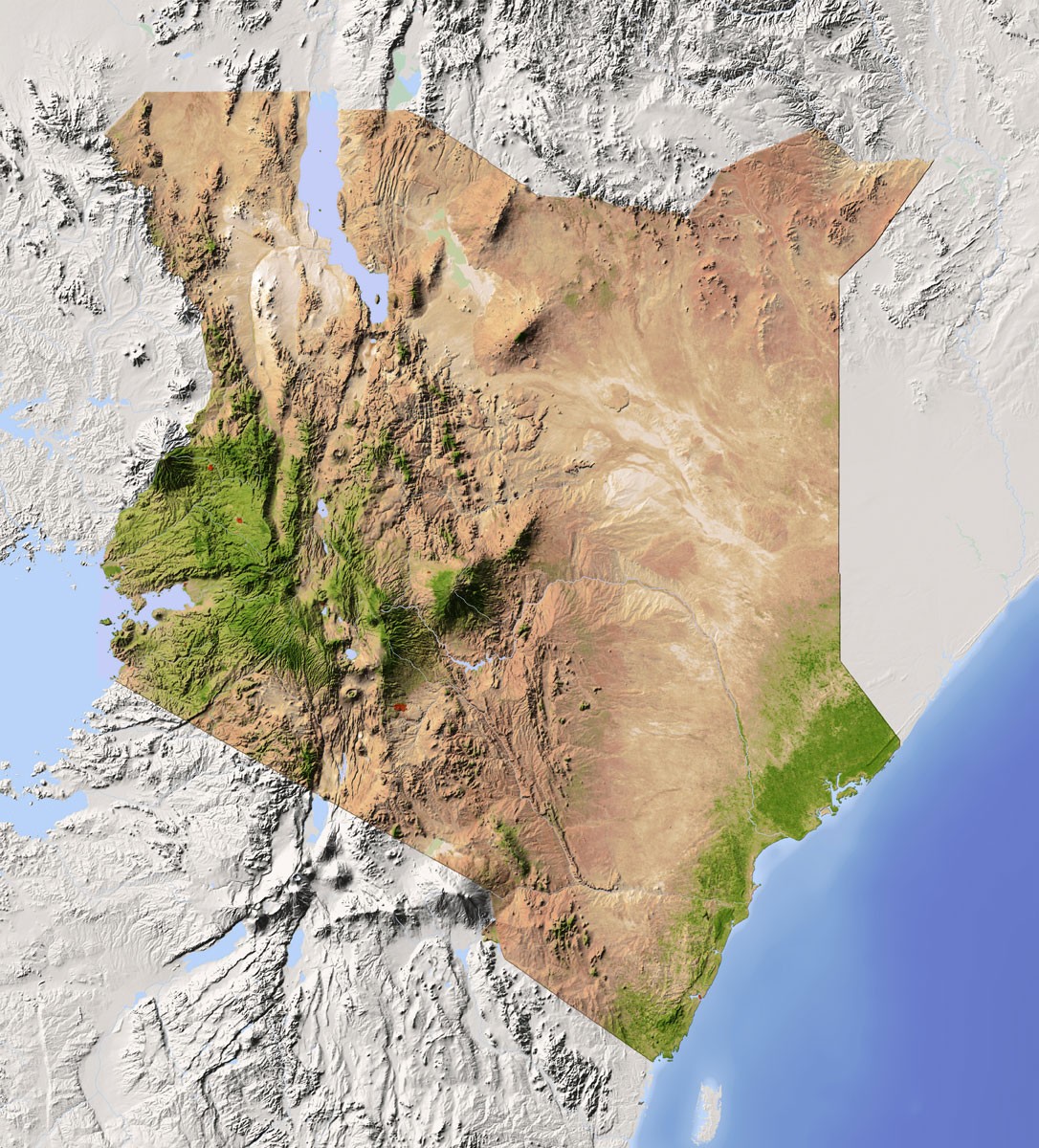
Kenya is situated in the Great Lakes region of East Africa. Here, the plates of the Earth’s crust have moved apart, creating Africa’s Great Rift Valley. A number of deep freshwater lakes lie in the valley, the largest of which is Lake Turkana, in northern Kenya. Savanna grasslands, home to some of Africa’s richest wildlife, stretch across much of Kenya. The equator runs through the middle of Kenya. The country has a hot, tropical climate with a rainy season between March and May. On higher ground, in uplands around the capital, Nairobi, temperatures are cooler. Kenya’s highest peak, Mount Kenya, is an extinct volcano and the second highest peak (after Tanzania's Kilimanjaro) in Africa.

People
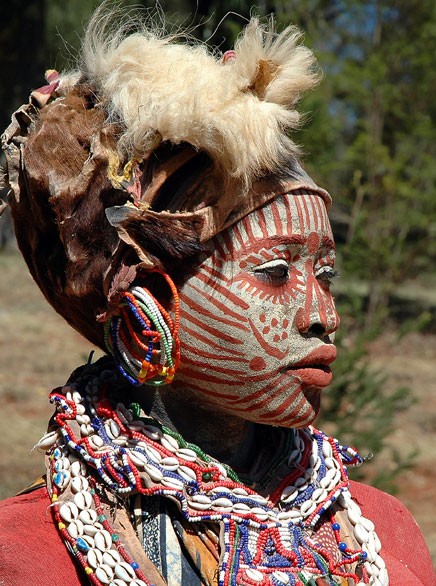
Over 70 ethnic groups live in Kenya. Most are descended from Bantu people who arrived from West Africa around 2000 years ago. They live mainly in the southwest and along the coast, and include the Kikuyu, Kenya’s largest people.
Most people speak a tribal language as well as Swahili—a Bantu language and the main language of East Africa. Swahili language and culture have been influenced by Arab, Persian, Indian and Portuguese people who have settled in Kenya at different times in its history.
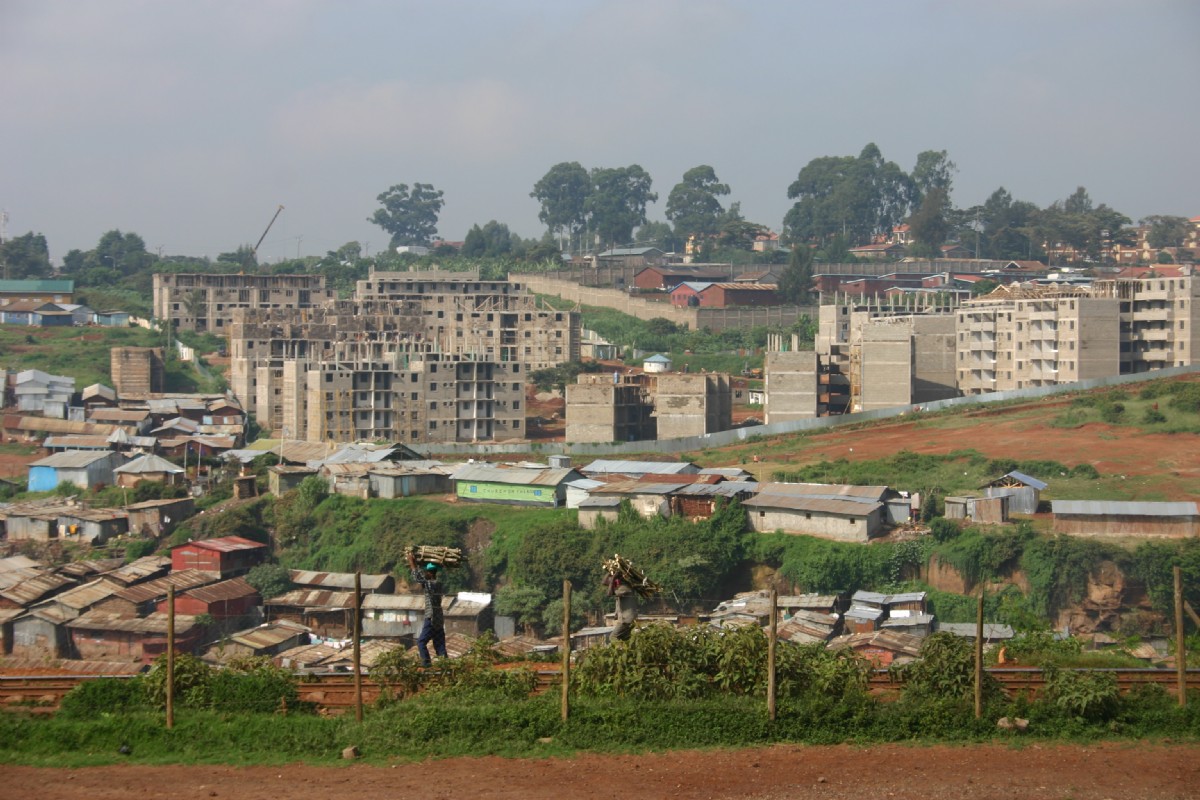
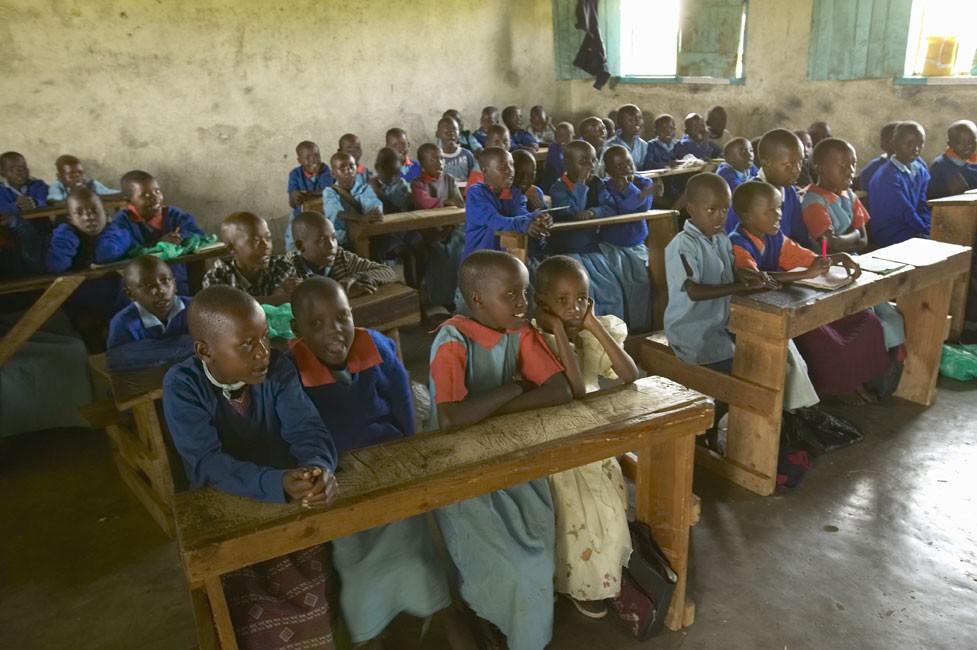
Around three-quarters of Kenya’s people live in the countryside. Many of them are subsistence farmers, producing just enough food for their own families. In cities, such as the capital, Nairobi, more people have electricity and clean water, and more children go to school. Although Kenya’s richest communities are found in Nairobi, it is also home to some of the country’s poorest people, many of whom live in crowded shantytowns on the city’s outskirts, including Kibera, the largest in Africa. Kenya has a young, fast-growing population; nearly 75% of its people are under the age of 30.

Economy
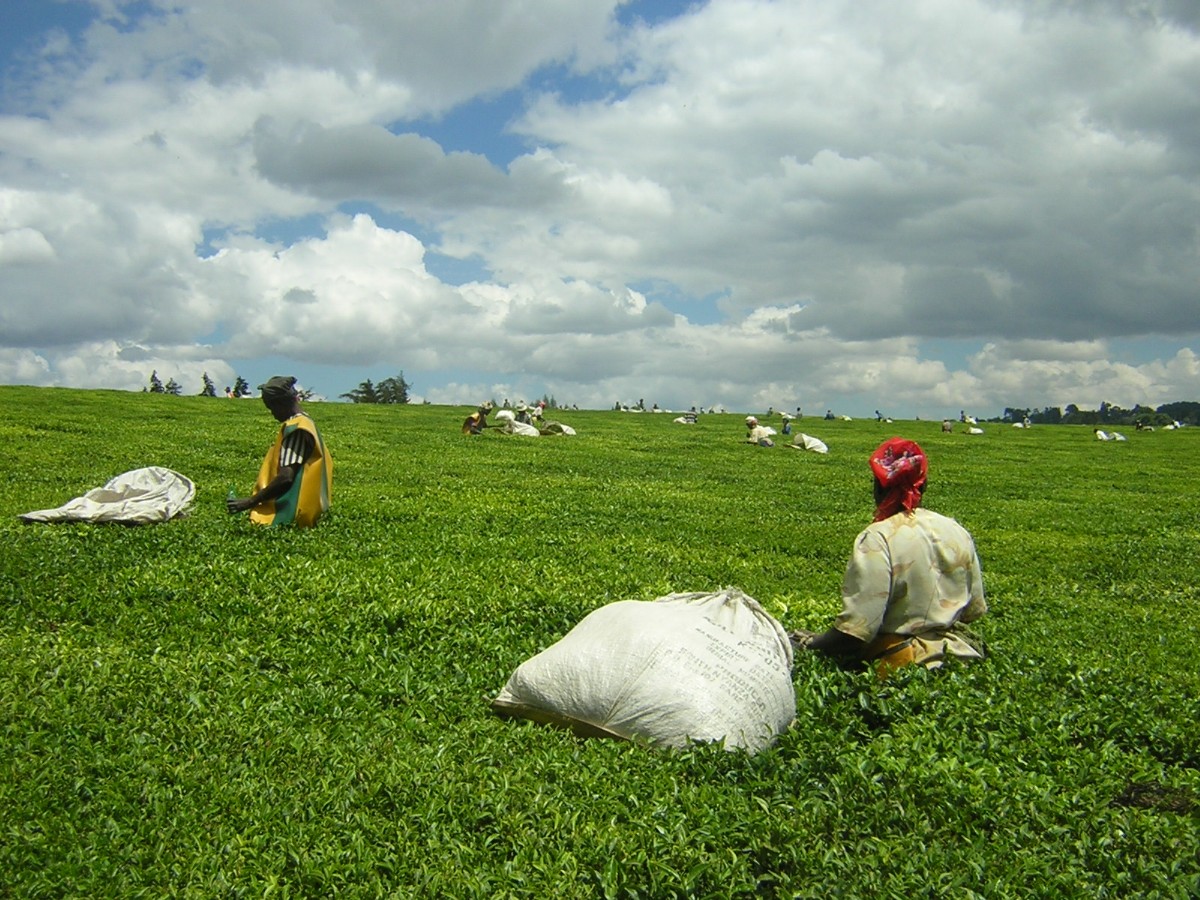
Kenya’s economy is growing, but more than a third of its population still lives in absolute poverty (unable to meet basic needs, such as food, clean water, shelter and education). Agriculture is still central to Kenya’s economy. Its hot, wet climate and rich soil make it perfect for growing tea. Tea bushes were introduced to Kenya at the beginning of the 20th century, and today it is the third largest exporter of tea in the world after India and China. Kenyan farmers also grow coffee beans, fruit—such as pineapples and bananas—and cut flowers for export. They herd cattle, goats and sheep.
Kenya has a small manufacturing industry, based largely around food-processing, cement-making and oil-refining. The area that has recently seen most growth is the services sector, where finance, telecommunications and tourism are key sources of foreign income.
Tourism
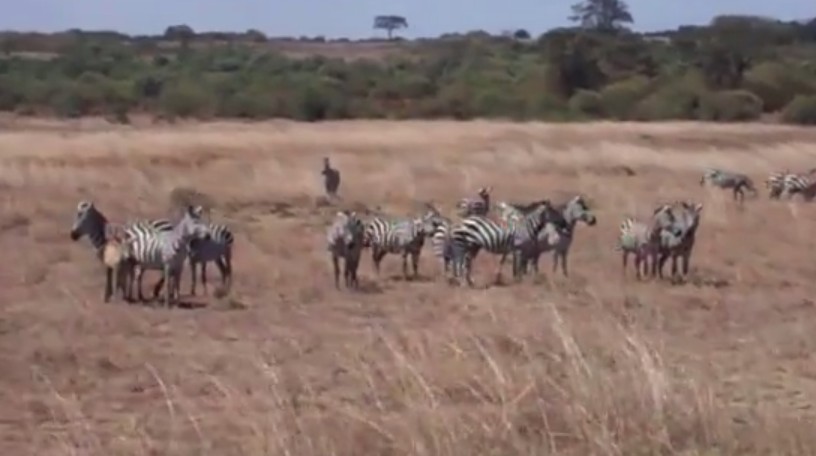
Tourism is Kenya’s second-largest employer after agriculture, providing jobs for around 500,000 people. Kenya has rich wildlife, with elephants, cheetahs, giraffes, zebras and lions roaming across the savanna. Over 30 national parks and reserves have been set up by the government to protect these animals, and every year more than a million tourists take safari trips to watch them in their natural habitats. These trips are traditionally by jeep or bus, but some are made by helicopter.

Rising lakes
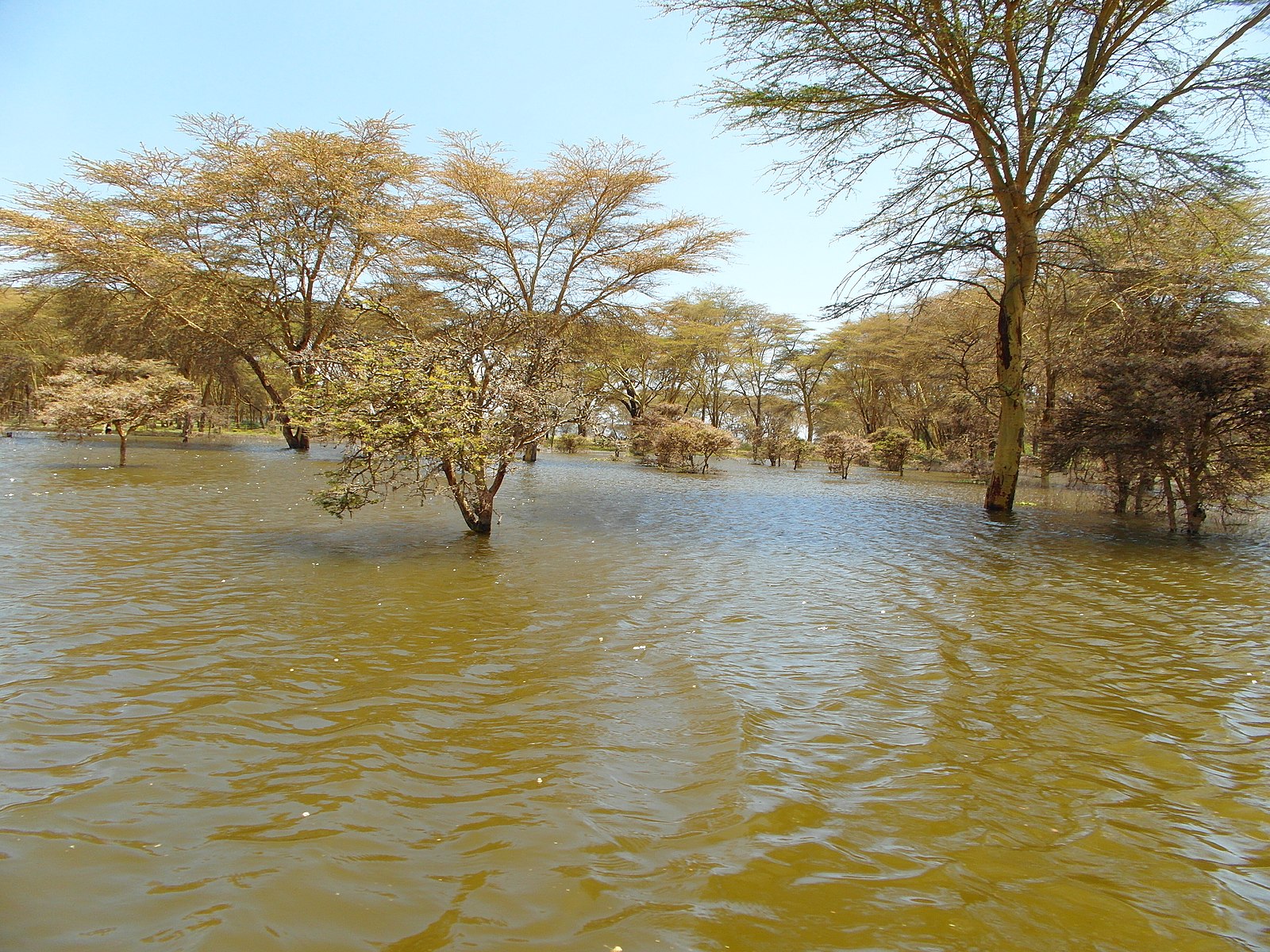
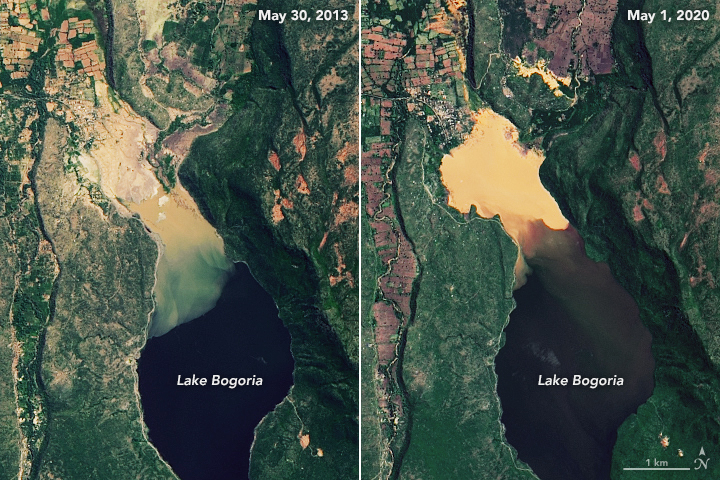
Kenya is a nation of lakes. Besides its sizeable portions of Lake Victoria and Lake Turkana, a series of smaller lakes—Baringo, Bogoria, Naivasha, Nakuru and Magadi—are scattered along the Great Rift Valley. In recent years, there has been more rain than normal in the Kenyan and Ethiopian highlands, causing the volume of water in the rivers feeding the lakes to increase. In 2019, Kenya received the third highest level rainfall ever recorded. Deforestation and landslides have also contributed to the rising water levels. Throughout the 2010s, water levels in the lakes rose gradually, causing flooding. Then, in 2020, their expansion accelerated. As a result, nearly 400,000 Kenyans have been forced to move from their homes.
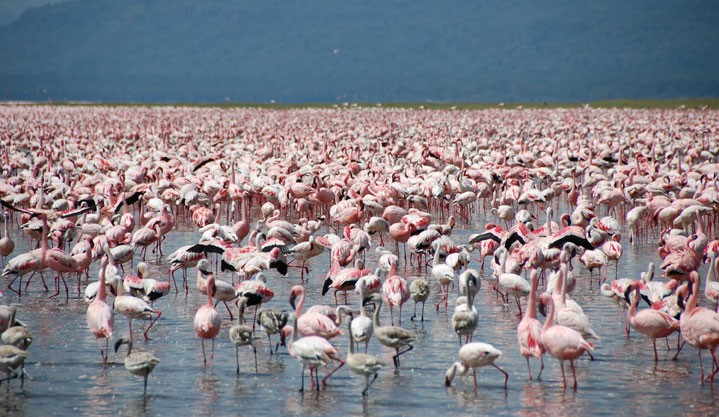
Lakes Bogoria and Baringo attract tourists and provide homes for many wildlife species. Lake Bogoria is a World Heritage site, famous for its flamingos and hot springs (most of which are now under water). Lake Baringo provides irrigation and drinking water and is home to Nile crocodiles. Rising waters—between 2014 and 2021 it expanded by 60%—have brought crocodiles and hippos dangerously close to people. Once 20 kilometres (13 miles) apart, the two lakes now lie just 13 kilometres (8 miles) from each another, raising concerns that the freshwater Lake Baringo and saltwater Lake Bogoria could soon merge. This would devastate the wildlife in both lakes.
Maasai
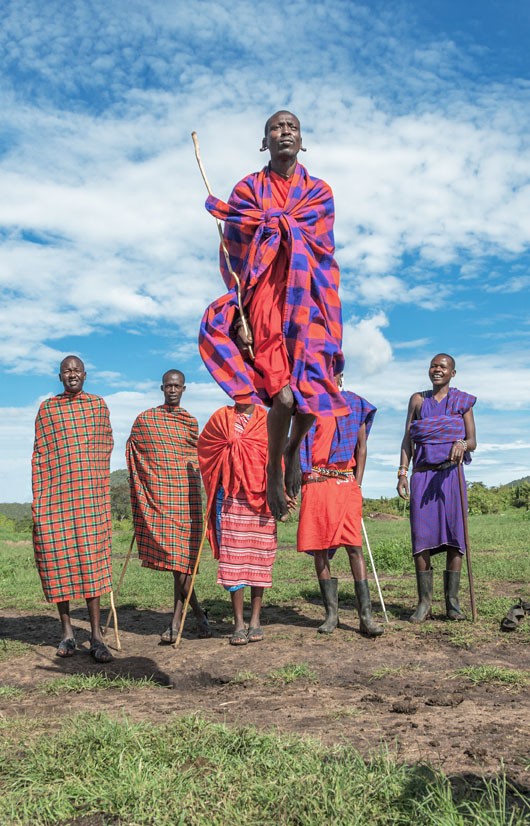
The Maasai are cattle-herders who live a semi-nomadic lifestyle in southern Kenya and northern Tanzania. Their lives traditionally centre around their cattle, which provide their main source of food: raw meat, milk and blood. In recent years, with cattle numbers dwindling, the Maasai also cultivate crops such as maize, sorghum, rice, potatoes and cabbage. A central figure in traditional Maasai villages is the laibon. His role includes healing and divination (interpreting signs to predict future events, such as rain to water their cattle pasture). Tourists are welcomed to traditional Maasai villages to experience their lifestyle, music and dancing.
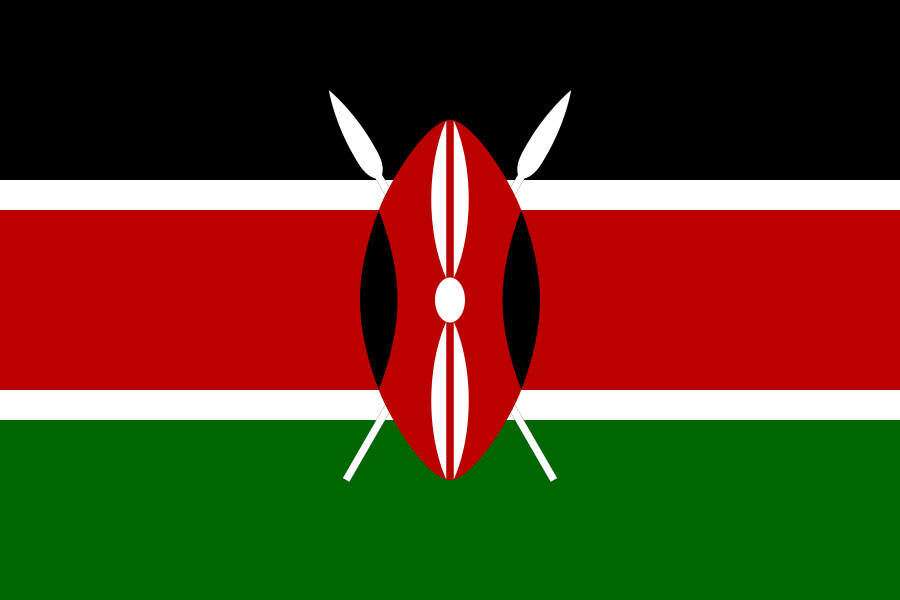
Many Maasai have now given up their nomadic lives to take up jobs in commerce and government. Despite their urban lifestyle, when at home on the traditional family homestead Maasai men often prefer to change into a shuka (a colourful cloth) and cow-hide sandals, and carry an o-rinka, a wooden club, around with them.
Dandora
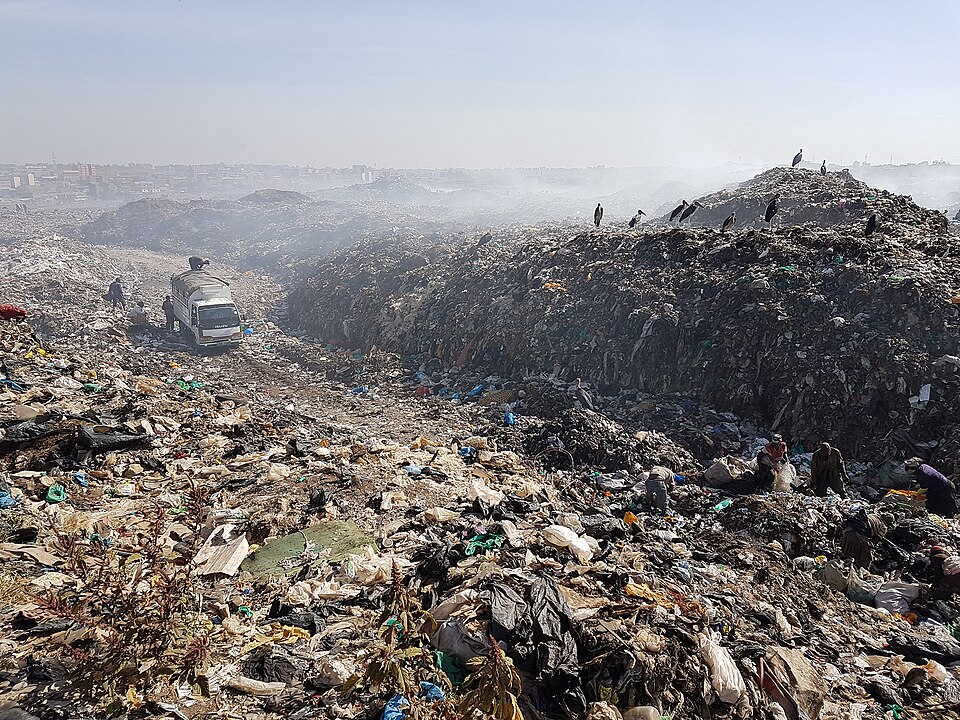
A large slum neighbourhood in Nairobi, Dandora is home to both the city's main sewage treatment works and one of Africa's largest dumping sites. The 40-acre site, which receives over 2000 tonnes of waste daily, is a major environmental hazard, with high levels of pollution from the accumulation of toxic chemicals, plastic and electronic waste (e-waste). The burning of the waste during the night can cause choking in people who live nearby.
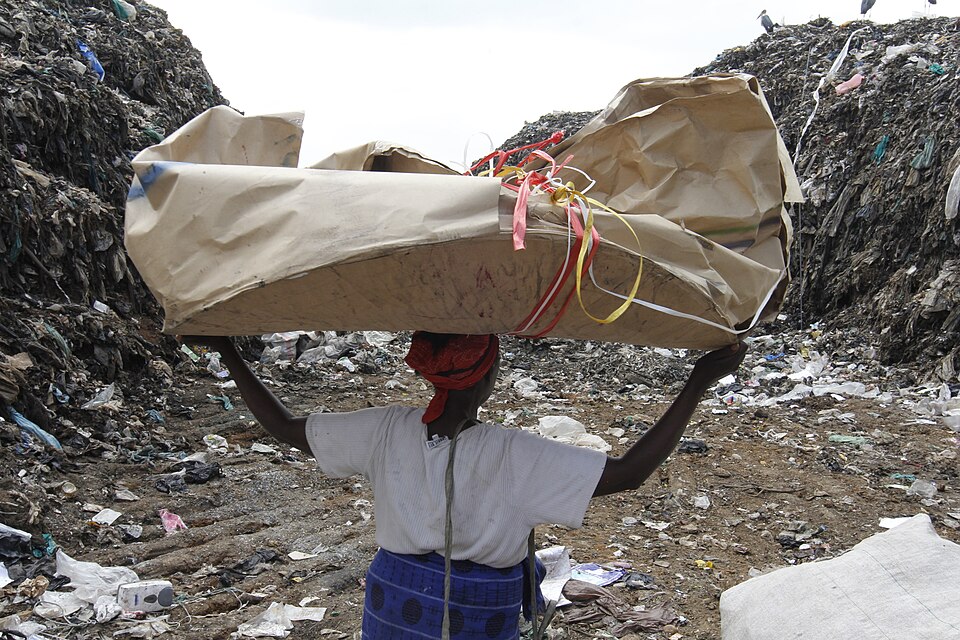
Thousands of waste-pickers, mostly women, work at the site each day, sifting through tonnes of rubbish hoping to recover recyclables—for example, plastics, metals and textiles—that they can sell on, giving them a small income. Pre-sorting of waste has, however, reduced the amount of saleable materials arriving at the dump, forcing the women to work longer hours. They risk serious health issues from toxic fumes and sharp debris, as well as violent attacks.
Facts about Kenya
Population 55,339,003 (2023 estimate)
Area 580,367 sq km (224,080 sq miles)
Highest point Mount Kenya 5199 m (17,057 ft)
Capital Nairobi (metro area population 5,325,000)
Other major cities Mombasa (1,208,333), Kisumu (1,155,574), Nakuru (570,674), Ruiru (490,120), Eldoret (475,716)
Languages English and Swahili (official languages), Kikuyu, Luo
Religions Christian (Protestant) 47%, Christian (Catholic) 23%, Christian (Eastern Orthodox and other) 12%, Muslim 11%, traditional religions 2%, other 5%
Ethnicity Kikuyu 22%, Luhya 14%, Luo 13%, Kalenjin 12%, Kamba 11%, Kisii 6%, Meru 6%, Maasai 2%, other African 13%, non-African 1%
Currency Kenyan shilling (KES)
Chief exports Tea, coffee, flowers and plants, oil and petroleum products, fish
Consultant: Nicholas Harris
History of Kenya
1.9 million years ago
Fossil finds tell us that ancestors of modern humans known as Homo habilis are living in the Kenya region.
c.2000 BC
Cushitic peoples from the Horn of Africa move into the Kenya region.
600 BC–AD 100
Bantu tribes from West Africa migrate to the region.
1st century
Arab traders arrive to trade animal skins, gold and slaves, building settlements along the coast. They are later joined by Persian, Indian and Chinese traders.
1498
Portuguese explorer Vasco da Gama visits Kenya, hoping to build trading ports on its coast.
1505
The Portuguese, led by Dom Francisco de Almeida, conquer the port of Kilwa in what is now Tanzania and go on to gain control of the East African coast.
1600s
Thousands of Kenyans are sold into slavery by European and Arab traders.
1720
Arabs from Oman take control of the Kenyan and Tanzanian coast, attacking Portuguese fortresses and ships and causing them to flee.
1860s
Britain puts pressure on the Omani Sultan of Zanzibar to end the slave trade in the region.
1895
Britain controls the coast and an area of inland Kenya extending to Lake Naivasha, under the East Africa Protectorate.
Early 1900s
British people settle in the highlands, building farms, roads and a railway to link the city of Mombasa with Lake Victoria.
1920
East Africa Protectorate becomes a colony and is named Kenya after its highest mountain
1944
The Kenyan African Union (KAU) is formed to campaign for Kenya’s independence.
1952–60
The Mau Mau Uprising led by the Kikuyu people aims to drive European settlers out of Kenya. At least 13,000 Africans die.
1963
Kenya becomes independent from Britain
1964
The Republic of Kenya is proclaimed (12th December) with Jomo Kenyatta as its first president
1978
Kenyatta dies and Daniel arap Moi becomes president
1998
Islamist terrorists attack the American embassies in Nairobi and in the Tanzanian city of Dar-es-Salaam, killing over 200 people and injuring thousands more.
2002
President Daniel arap Moi retires; following elections, power is transferred peacefully from the Kenya African National Union (KANU), which has ruled the country since independence, to the National Rainbow Coalition (NARC), a coalition of political parties; Mwai Kibaki becomes Kenya’s third president.
2011
East Africa suffers its worst drought in 60 years.
2013
Uhuru Kenyatta, the son of former president Jomo Kenyatta, is elected president
2014
Islamist militants attack hotels and a police station in Mpeketoni, near Lamu, killing 48 people
2015
(April) Gunmen from the Somalia-based Islamist militant group Al Shabab storm Garissa University College and kill 147 people
2019–21
Plague of desert locusts, threatening the food supply across East Africa, Middle East and South Asia, breaks out. The outbreak begins with heavy rains in 2018 in the Rub' al Khali of the Arabian Peninsula, allowing locusts to breed undetected and vast swarms to build up and spread out. The worst outbreak in 70 years in Kenya, it is ended by a mass spraying of chemical pesticides managed by the UN's Food and Agriculture Organization (FAO).
2023
Protest marches and riots take place in Nairobi against high living costs and alleged fraud at the 2022 presidential election
2024
Mass protests against tax increases proposed by the government, including the storming of the Kenyan Parliament (25th June)